Bamboo Toothbrush vs Electric Toothbrush: Which One Should You Really Choose?
When you stand in front of your bathroom mirror every morning, do you ever wonder if you’re making the right choice about oral hygiene? I know I did. The world of toothbrushes has evolved dramatically over the past decade, and suddenly we’re faced with more options than ever before. On one side, we have the eco-conscious bamboo toothbrush—a sustainable alternative that promises to save our planet. On the other side, there’s the high-tech electric toothbrush, boasting advanced cleaning capabilities and clinical studies backing its effectiveness. So which one wins? The answer isn’t as straightforward as you might think, and that’s exactly what we’re going to explore today.
Understanding the Bamboo Toothbrush Movement
Let me take you back for a moment. Traditional plastic toothbrushes have been our bathroom staple for generations. But here’s the thing—they’re plastic. And plastic? Well, it takes roughly 400 years to decompose. When you multiply that by the billions of toothbrushes discarded annually across the globe, you’re looking at an environmental catastrophe. This realization sparked the bamboo toothbrush revolution.
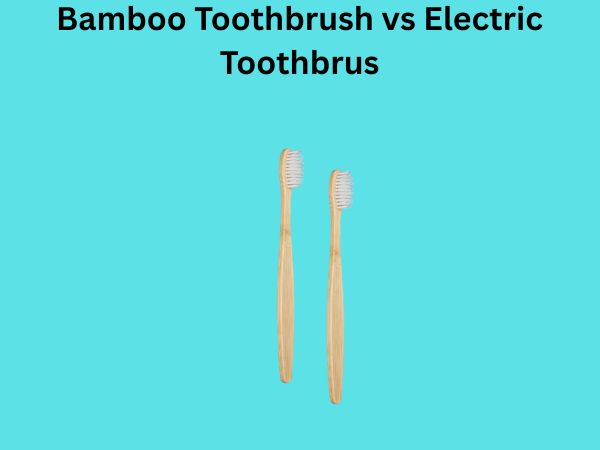
Bamboo toothbrushes aren’t just a passing trend; they represent a conscious shift in how we approach everyday products. These brushes feature handles made from rapidly renewable bamboo—a plant that grows incredibly fast without requiring pesticides or fertilizers. Think of bamboo as nature’s fast-growing superhero, capable of regenerating itself without the environmental burden of traditional timber.
What Makes Bamboo Special?
Bamboo is one of the fastest-growing plants on Earth. In ideal conditions, it can grow up to three feet in just 24 hours. This rapid growth cycle means that harvesting bamboo doesn’t deplete forests the way logging other trees does. Additionally, bamboo naturally regenerates from its root system after being cut, eliminating the need for replanting. It’s essentially nature’s renewable resource.
Beyond sustainability, bamboo possesses natural antimicrobial properties. This means the material itself fights bacteria without requiring chemical treatments. Furthermore, bamboo is biodegradable. When you’re finally done with your bamboo toothbrush, you can compost it, knowing it’ll return to the earth within months rather than centuries.
The Reality of Bristles
Here’s where it gets interesting. While the bamboo handle is completely eco-friendly, the bristles tell a different story. Most bamboo toothbrushes use nylon bristles, which aren’t biodegradable. Some premium brands are experimenting with plant-based bristles made from castor oil or boar hair, but these remain uncommon. So when you dispose of your bamboo toothbrush, you’re typically removing nylon bristles separately if you want to maximize its environmental benefit.
The Electric Toothbrush Revolution
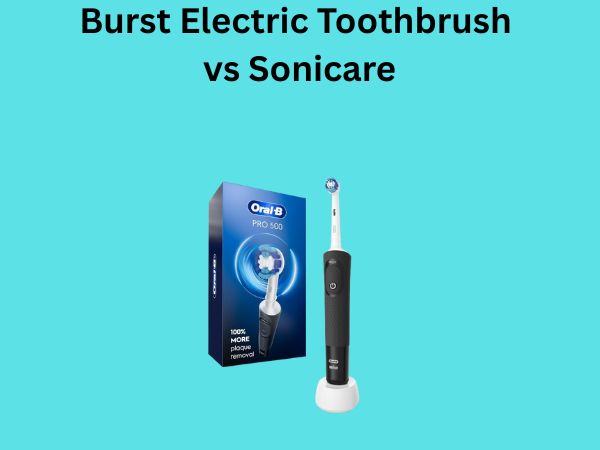
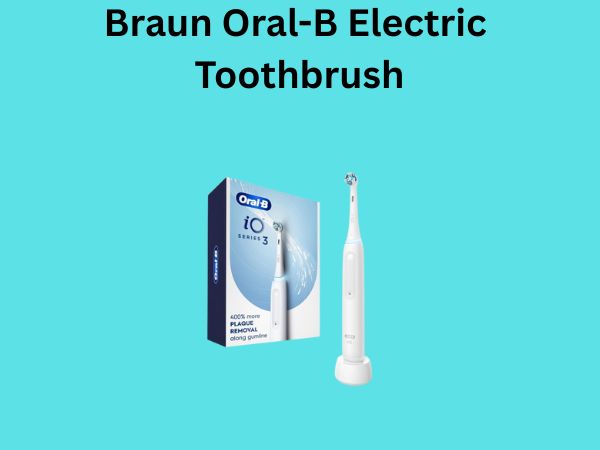
Now let’s shift our attention to the other side of this conversation. Electric toothbrushes have transformed from luxury items to mainstream dental care devices. These motorized marvels use rapid oscillations, rotations, or sonic vibrations to clean your teeth—sometimes delivering thousands of brush strokes per minute. But are they just marketing hype, or is there genuine science behind them?
How Electric Toothbrushes Actually Work
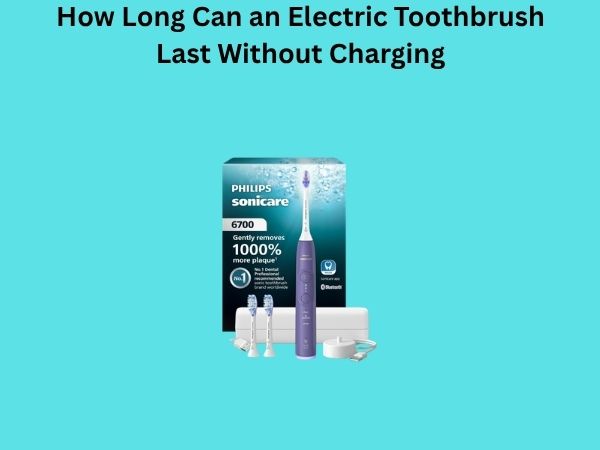
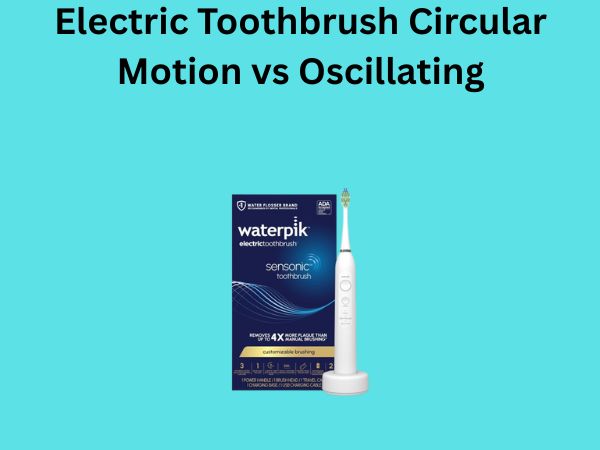
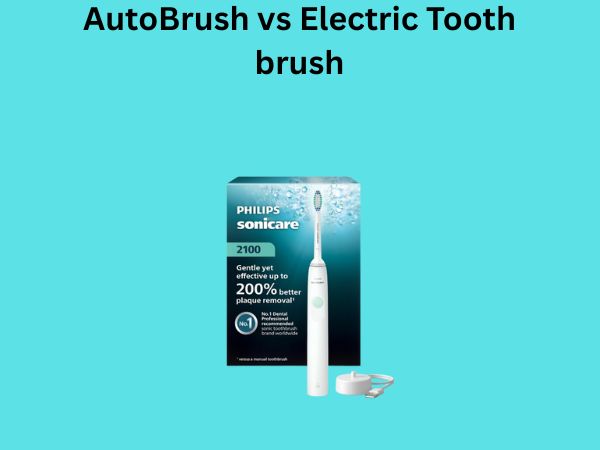
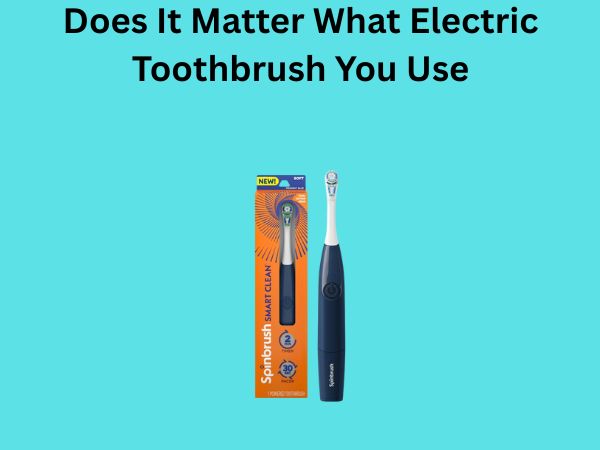
Electric toothbrushes operate on different technologies. Oscillating toothbrushes move side to side quickly, rotating toothbrushes spin in circular motions, and sonic toothbrushes vibrate at incredibly high frequencies. Each technology has its advocates within the dental community. The fundamental premise is simple: more consistent, faster movements equal better plaque removal. Your hand simply cannot match the precision and speed of a motorized brush.
Modern electric toothbrushes often include smart features like pressure sensors that alert you when you’re brushing too hard, built-in timers to ensure you brush for the recommended two minutes, and multiple cleaning modes for sensitive teeth or gum care. Some even connect to smartphone apps that track your brushing habits.
Comparing Cleaning Effectiveness: The Real Winner
Let’s address the elephant in the room: which one actually cleans better? Numerous clinical studies have examined this question, and the evidence leans toward electric toothbrushes. But here’s the nuance everyone misses—proper brushing technique matters more than the tool itself.
What Research Actually Shows
The American Dental Association acknowledges that both manual and electric toothbrushes can effectively remove plaque when used correctly. However, multiple peer-reviewed studies published in dental journals suggest that electric toothbrushes, particularly oscillating ones, remove slightly more plaque and reduce gum inflammation more effectively than manual brushes.
The advantage of electric toothbrushes becomes even more pronounced for people with limited dexterity, arthritis, or physical disabilities. If brushing is difficult for you, an electric toothbrush essentially does the work for you. You’re not relying on your hand coordination; the brush’s motorized action handles the hard work.
The Bamboo Toothbrush Effectiveness Question
Does the bamboo handle somehow compromise cleaning ability? Not necessarily. A well-designed bamboo toothbrush with properly angled, firm bristles can be just as effective as any manual toothbrush. The cleaning power comes from the bristles and your brushing technique, not the handle material. Someone using a bamboo toothbrush with excellent brushing habits will have healthier teeth than someone using an electric toothbrush while barely making an effort.
Environmental Impact: Breaking Down the Footprint
This is where the comparison gets genuinely complex. When evaluating environmental impact, we need to look beyond just the product itself and consider the entire lifecycle.
Bamboo Toothbrush Environmental Credentials
- Biodegradable handle—typically composts within 5-6 months
- Made from rapidly renewable bamboo requiring no pesticides
- Minimal manufacturing energy compared to plastic production
- Lower transportation weight due to natural materials
- Bristles typically remain non-biodegradable (nylon component)
- Single-use design—replaced every three months
When you calculate the environmental footprint of a bamboo toothbrush, it’s considerably smaller than a plastic one. You’re replacing it frequently (typically every three months), but each replacement breaks down naturally. Over a lifetime, you’re not accumulating plastic waste in landfills for centuries.
Electric Toothbrush Environmental Impact
- Plastic or metal body—not biodegradable
- Rechargeable battery containing lithium and electronics
- Manufacturing involves more complex processes and higher energy use
- Lasts longer—often 3-5 years before replacement
- Requires electrical charging—draws energy from the grid
- Disposable brush heads that need frequent replacement
- Battery disposal presents electronic waste challenges
Here’s the tricky part: while an electric toothbrush lasts longer than individual bamboo brushes, it requires electricity and contains a battery. The environmental impact depends heavily on your local power grid’s energy sources. If you’re in a region with renewable energy, the impact is lower. If you’re relying on fossil fuels, the calculation shifts.
Cost Comparison: What Will Your Wallet Feel?
Let’s talk money because, realistically, budget influences our purchasing decisions.
Bamboo Toothbrush Costs
Bamboo toothbrushes typically range from three to eight dollars per brush. Since you replace them every three months, that’s roughly twelve to thirty-two dollars annually. Over ten years, you’re looking at one hundred twenty to three hundred twenty dollars. That’s remarkably affordable, especially considering the environmental benefit.
Electric Toothbrush Investment
A quality electric toothbrush costs anywhere from thirty to two hundred dollars upfront. Budget models start around thirty dollars, while premium brands can exceed two hundred. Add replacement brush heads at fifteen to thirty dollars, and you’re investing significantly more upfront. However, because the device lasts three to five years, the annual cost becomes more reasonable when divided across years of use.
Let’s do the math: a seventy-five dollar electric toothbrush with replacement heads costing twenty dollars twice yearly, over five years, costs roughly two hundred fifteen dollars total. Compared to three hundred twenty dollars for bamboo brushes over the same period, the electric toothbrush might actually be cheaper in the long run. Surprising, right?
Special Considerations for Different Needs
Not everyone’s dental situation is identical. Your choice should reflect your specific circumstances.
Ideal Candidates for Bamboo Toothbrushes
If you’re passionate about environmental conservation, have healthy teeth with no special requirements, possess good brushing technique, and don’t mind replacing your toothbrush frequently, bamboo is your answer. They’re perfect for people who want to make a tangible environmental statement with their daily habits. They’re also ideal for travelers who don’t want to manage electronic devices abroad.
Who Benefits Most from Electric Toothbrushes
Electric toothbrushes shine for people with compromised dexterity, arthritis, braces, implants, or a history of gum disease. If you struggle with consistent brushing technique or need extra plaque-fighting power, the motorized action provides genuine benefits. They’re also excellent for people who tend to brush too hard—the pressure sensors prevent gum damage. Additionally, people with busy lifestyles appreciate the built-in timers ensuring they brush long enough.
The Hybrid Approach: Using Both Strategically
Here’s a thought that might not have occurred to you: why choose exclusively one or the other? Many people successfully use both. You could use your electric toothbrush at home where you prioritize effectiveness and convenience, while keeping a bamboo toothbrush for travel or as a backup. This balanced approach gives you environmental consciousness without sacrificing dental health.
Creating Your Personal Dental Strategy
Think of your oral hygiene like a comprehensive wellness approach. Your toothbrush is just one tool among many. Incorporating flossing, mouthwash, regular dental checkups, and a healthy diet matters just as much—possibly more—than whether you use bamboo or electric. The best toothbrush is ultimately the one you’ll use consistently and correctly.
Storage and Longevity: Which Lasts Better?
Durability matters when we’re discussing environmental impact and value.
Bamboo Toothbrush Longevity
A bamboo toothbrush typically lasts three to four months before bristles become frayed and less effective. However, the handle itself remains intact and can be repurposed—some people use them as plant markers or cleaning brushes. The lifespan isn’t about the material breaking down; it’s about bristle degradation, just like traditional toothbrushes.
Electric Toothbrush Durability
Quality electric toothbrushes easily last three to five years, sometimes longer. The brush heads need replacement every three months, but the motorized unit itself is built for longevity. With proper care—not exposing it to extreme temperatures, keeping the charging port dry—an electric toothbrush becomes genuinely reliable over years of daily use.
Making the Final Decision: A Practical Framework
How do you actually choose? Here’s a framework I recommend considering:
Questions to Ask Yourself
- Is environmental impact your primary concern, or is dental effectiveness more important?
- Do you have physical limitations affecting your brushing ability?
- What’s your monthly budget for oral care products?
- How committed are you to maintaining consistent brushing habits?
- Do you travel frequently and need portable solutions?
- Do you have specific dental conditions requiring specialized care?
- Are you willing to deal with battery disposal for electronic devices?
Answer these honestly, and your choice becomes clearer. If environmental impact dominates your thinking and your teeth are healthy, bamboo wins. If you have dental challenges or struggle with manual brushing, electric becomes the logical choice. If you value both equally, that hybrid approach might be your sweet spot.
The Future of Sustainable Dental Care
Interestingly, innovation is happening in both categories. Bamboo toothbrush manufacturers are developing plant-based bristles and exploring compostable packaging. Electric toothbrush companies are creating more sustainable battery technologies and recyclable components. The future might bring us electric toothbrushes with biodegradable elements or bamboo brushes with superior bristles. The industry is listening to consumer concerns about environmental responsibility.
Conclusion
So, bamboo toothbrush or electric toothbrush? After examining the evidence, the answer depends entirely on your priorities and circumstances. Neither option is objectively superior in all contexts.
Bamboo toothbrushes win on environmental sustainability and affordability, making a powerful statement about your values. They work perfectly well for people with healthy teeth and solid brushing technique. They’re the eco-conscious choice that genuinely reduces your planetary footprint.
Electric toothbrushes win on cleaning effectiveness and accessibility, particularly for people with special dental needs or physical limitations. They remove slightly more plaque, last longer, and require less active effort. The superior cleaning power is clinically documented and meaningful for many people.
The truth is this: the best toothbrush is the one you’ll use consistently, correctly, and genuinely enjoy using. Someone with genuine enthusiasm for their bamboo toothbrush who brushes diligently will have healthier teeth than someone begrudgingly using an electric brush. Conversely, someone who struggles with manual brushing will experience real dental health improvements with an electric option.
I encourage you to reflect on what matters most to you. If you haven’t decided yet, consider trying one, using it for several weeks, and then evaluating how it feels. Your comfort level, the results you observe, and how the choice aligns with your values will guide you toward the right decision.
Frequently Asked Questions
Are bamboo toothbrushes actually better for the environment than plastic ones?
Yes, significantly. Bamboo toothbrushes have biodegradable handles that compost within months, while plastic toothbrushes persist in landfills for centuries. Bamboo grows rapidly without depleting forests or requiring pesticides. The only environmental downside is the nylon bristles, which most bamboo toothbrushes still use. However, overall, a bamboo toothbrush generates substantially less environmental impact than a plastic alternative. The main caveat is that frequent replacement means you’re consuming more physical products annually, though each individual product’s environmental footprint remains smaller.
Do electric toothbrushes really clean teeth better than manual brushes?
Clinical research suggests electric toothbrushes, particularly oscillating models, remove slightly more plaque and reduce gum inflammation somewhat better than manual brushes. However, the difference is modest. A person using a manual toothbrush with excellent technique can achieve results comparable to someone using an electric brush. The real advantage emerges for people with limited dexterity, arthritis, or who struggle with consistent brushing technique. For them, the motorized action provides noticeable improvement. For people with healthy teeth and good habits, the difference is less dramatic, though still measurable.