Burst Electric Toothbrush vs Sonicare: A Comprehensive Comparison of Features, Price & Performance
When you’re standing in the oral care aisle, staring at rows of electric toothbrushes, you’ve probably wondered which one actually deserves your money. Should you go with the trendy Burst that everyone on social media seems to be raving about, or stick with the established Sonicare that’s been around for years? I get it—it’s confusing. Let me break this down for you in a way that’ll make your decision crystal clear.
Understanding the Players: Burst vs Sonicare
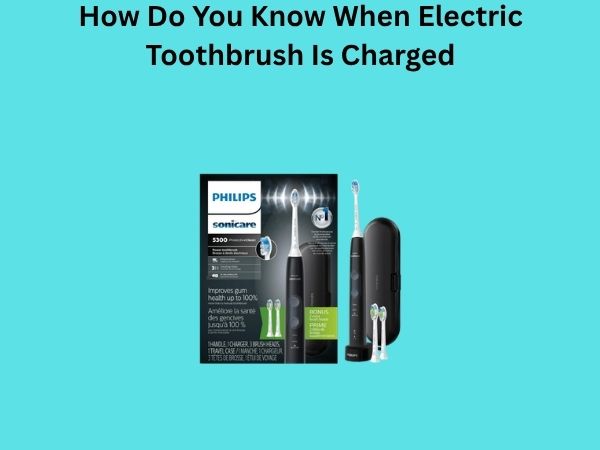
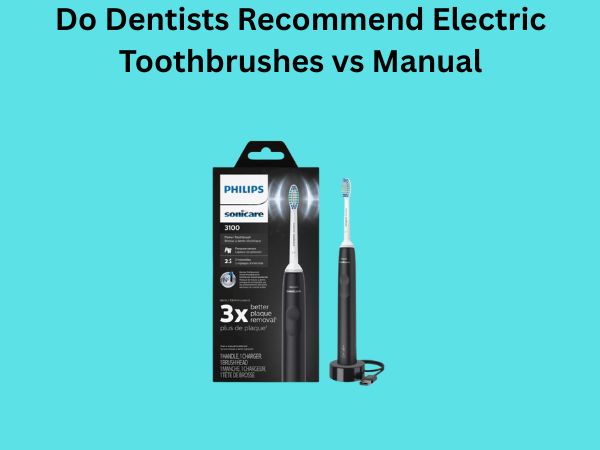
Before we dive into the nitty-gritty, let’s understand what we’re dealing with here. Sonicare, owned by Philips, is the heavyweight champion of electric toothbrushes. We’re talking about a brand that’s been perfecting the sonic toothbrush game since the 1990s. They’ve got the research, they’ve got the experience, and they’ve definitely got the price tag to match.
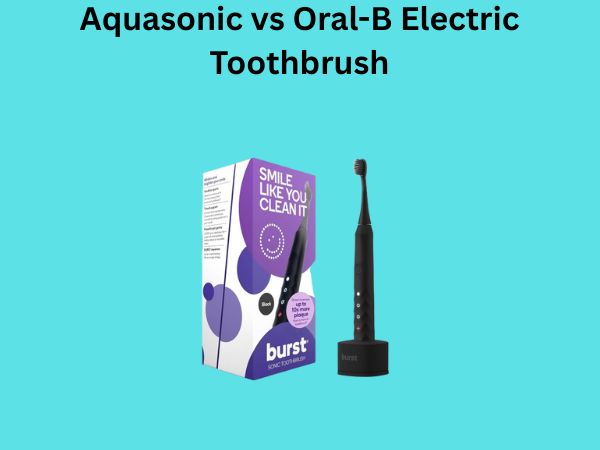
Burst, on the other hand, is the new kid on the block—well, relatively speaking. This D2C (direct-to-consumer) brand burst onto the scene (pun intended) with a mission to democratize premium oral care. They’ve focused on making a genuinely good product that doesn’t require you to sell a kidney to afford.
The Origin Story
Sonicare’s journey started when they revolutionized how we think about tooth brushing. Philips invested heavily in sonic technology, and it paid off. Fast forward to today, and Sonicare is practically synonymous with electric toothbrushes for many people.
Burst came into existence because the founders realized that premium oral care shouldn’t come with a premium price that makes your wallet cry. They built their model around direct sales, cutting out the middleman costs, and passing the savings to you.
Design and Aesthetics: First Impressions Matter
Burst’s Modern Minimalism
Here’s where Burst really flexes. If you appreciate clean, Instagram-worthy design, Burst nailed it. Their toothbrushes come in pastel colors—think millennial pink, soft blue, and sleek white. The overall aesthetic is minimalist, and they’ve managed to make an oral care tool look like something you’d want to display on your bathroom counter rather than hide in a drawer.
The handle is lightweight and feels premium in your hand. It’s slim enough that even people with smaller hands won’t feel like they’re gripping a baseball bat.
Sonicare’s Clinical Approach
Sonicare takes a different route with their design philosophy. Their toothbrushes scream “serious dental care.” They come in various colors, sure, but the overall vibe is more clinical and less Instagram-influencer. The handles tend to be slightly bulkier, which some people find more ergonomic for gripping, while others find it less elegant.
That said, Sonicare has released more modern designs in recent years. They’re not exactly ugly—they’re just more functional than fashionable.
Cleaning Technology: How They Actually Work
Understanding Sonic Vibrations
Both of these toothbrushes use sonic vibration technology, but there’s more to the story than just “they vibrate really fast.” The way they vibrate, the frequency they operate at, and how that translates to cleaning power—these are crucial differences.
Burst’s Approach
Burst operates at 33,000 vibrations per minute. That’s genuinely impressive for a D2C brand. They’ve engineered their brush heads to maximize the impact of each vibration. The bristles are arranged in a way that creates optimal cleaning action, and they’ve been pretty transparent about their engineering process.
What I appreciate is that Burst doesn’t overcomplicate things. They focused on getting the fundamentals right rather than adding unnecessary bells and whistles.
Sonicare’s Power Play
Sonicare’s high-end models operate at up to 62,000 vibrations per minute. Yes, you read that right. Their DiamondClean series is basically the sonic toothbrush equivalent of a sports car. This higher frequency, combined with years of research, creates a cleaning action that’s incredibly effective.
However—and this is important—higher vibration doesn’t automatically mean better cleaning for your specific teeth. It depends on your gum sensitivity, your brushing technique, and your individual oral health needs.
Brush Head Compatibility and Replacements
Burst’s Simplicity
Burst’s brush head replacement system is straightforward. Their heads are affordable, coming in at around $10 per head, and they recommend replacing them every three months (like most dentists suggest, by the way).
The heads are proprietary, meaning you can’t use them with other toothbrushes. Some people view this as a con, but honestly, it’s pretty standard in the industry.
Sonicare’s Ecosystem
Sonicare offers multiple brush head options, ranging from standard cleaning heads to specialized ones for sensitive gums or whitening. The replacement cost is typically higher—around $25 to $35 per head depending on the model and where you buy them.
The benefit is that you’ve got more choice. The drawback is that your wallet feels lighter more quickly when replacement time comes around.
Battery Life and Charging: How Long Will It Last?
Burst’s Battery Performance
Burst equips their toothbrushes with a battery that lasts roughly two weeks with daily use. They use a standard micro-USB charging cable, which is convenient since almost everyone has one lying around. The charging time is about two hours, and they include a charger in the box.
Is two weeks enough? For most people, absolutely. Unless you’re the type who forgets to charge their phone and ends up in an airplane with a dead battery, you’ll be fine.
Sonicare’s Endurance
Sonicare’s battery life varies by model. Their entry-level options last about a week, while their premium models can go up to two weeks or more. Some recent models have shifted to USB-C charging, which is a nice modern touch.
The charging dock for Sonicare is elegant but takes up more bathroom counter space. It’s wireless, which looks sleek, but if you’re traveling, you need to bring the whole dock.
Price Comparison: Where Does Your Money Go?
Burst’s Pricing Strategy
Burst’s main toothbrush model retails for around $80 to $100, depending on promotions and which specific model you’re looking at. Their subscription plan for brush heads is $5 per head, shipped to your door every three months.
For a year of use, you’re looking at roughly $100 to $120 including replacement heads. That’s genuinely affordable for a quality electric toothbrush.
Sonicare’s Investment
Sonicare’s entry-level models start around $150, but their popular mid-range options hover around $200 to $300. Their premium DiamondClean series can exceed $300. Add in the higher replacement head costs, and your annual expense climbs to $200 to $400+.
Now, this isn’t necessarily a bad thing. You’re paying for established brand reputation, extensive research, and warranty support. Whether that justifies the price difference is a personal decision.
Vibration Frequency and Power: The Technical Breakdown
What Frequency Means for Your Teeth
I mentioned earlier that Sonicare vibrates faster than Burst. But what does this actually mean for your teeth? Here’s the real talk: clinical studies show that both frequencies effectively remove plaque when used correctly. The difference is subtle.
Sonicare’s higher frequency might provide slightly more aggressive cleaning, which could be beneficial if you have heavy plaque buildup or struggle with manual brushing. However, it can also be too intense for people with sensitive gums.
Burst’s 33,000 vibrations per minute is no slouch. It’s more than enough to thoroughly clean your teeth, and it might actually be better if you have gum sensitivity issues.
Finding Your Sweet Spot
Think of it like a massage. A gentle massage feels great; a deep tissue massage is powerful but might be uncomfortable if you’re not used to it. Neither is objectively better—it depends on what your body (or in this case, your teeth) needs.
Smart Features and App Connectivity
Burst’s Minimalist Tech
Burst kept things simple here. Their toothbrushes don’t have Bluetooth connectivity or fancy app integration. Some might see this as a limitation, but I see it as refreshingly honest—they focused on brushing teeth well rather than turning your toothbrush into a mini computer.
That said, they do have a two-minute timer and pressure sensor to alert you if you’re brushing too hard. These are practical features that actually matter.
Sonicare’s Tech Integration
Sonicare’s premium models connect to a smartphone app that tracks your brushing habits. You get real-time feedback on brushing technique, coverage area, and brushing duration. It’s genuinely useful if you’re someone who loves data and wants to optimize their oral hygiene.
However, if you’re like most people who just want to brush their teeth and move on with their day, this tech might feel like overkill. Plus, the app requires Bluetooth, which means one more device draining your phone’s battery.
Water Resistance and Durability
Burst’s Build Quality
Burst toothbrushes are IPX7 water-resistant, meaning they can handle being submerged in water up to one meter for 30 minutes. In plain English: your toothbrush won’t die if you drop it in the sink or shower. They’re built to last, and customer reports suggest they hold up well over time.
Sonicare’s Reliability
Sonicare’s models are typically IPX7 rated as well, sometimes IPX8 on their higher-end models. They’ve been around long enough that they’ve refined their manufacturing process significantly. These toothbrushes are built tough and designed to last years, not months.
Sonicare’s warranty support is also more established, which provides peace of mind if something goes wrong.
User Experience and Comfort: How It Feels to Use Them
The Burst Experience
Using a Burst toothbrush feels smooth and gentle. The vibration isn’t jarring—it’s more of a pleasant hum. Your teeth feel clean afterward, and most people report minimal adjustment period. If you’re switching from a manual toothbrush, you’ll notice the difference immediately.
The lightweight design means less arm fatigue during brushing, which is great if you have arthritis or limited hand strength.
The Sonicare Experience
Sonicare’s more powerful vibration creates a more “active” sensation in your mouth. Some people love this intense cleaning feeling. Others find it overwhelming at first, though most people adjust within a week or two.
The slightly bulkier handle can actually be a benefit if you prefer a more substantial grip, though it might not appeal to everyone.
Warranty and Customer Support
Burst’s Warranty
Burst offers a two-year warranty on their toothbrushes. Their customer service is responsive and operates primarily through online channels. Returns are straightforward if there’s an issue within the warranty period. Given their direct-to-consumer model, they’re surprisingly good at handling customer problems quickly.
Sonicare’s Warranty
Sonicare typically offers a two-year warranty as well, sometimes extended depending on where you purchase. The advantage here is that their customer service infrastructure is more established. If something goes wrong, you have multiple avenues for support—authorized retailers, Amazon, Philips directly, etc.
Who Should Choose Which One?
Choose Burst If You…
- Want an affordable electric toothbrush without compromising quality
- Appreciate minimalist design and social media aesthetics
- Have sensitive gums that don’t appreciate intense vibration
- Prefer simplicity over tech integration
- Value direct customer relationships over established brands
- Are on a budget but don’t want a cheap product
Choose Sonicare If You…
- Want the most advanced cleaning technology available
- Prefer established brands with decades of research backing them
- Would benefit from app tracking and real-time feedback
- Have heavy plaque buildup or struggle with manual brushing
- Don’t mind spending more for premium features
- Value having multiple brush head options
Head-to-Head Feature Comparison Table
Let me break down the key specs for easy comparison:
- Vibration Frequency: Burst (33,000/min) vs Sonicare (up to 62,000/min)
- Price Range: Burst ($80-100) vs Sonicare ($150-300+)
- Battery Life: Burst (2 weeks) vs Sonicare (1-2 weeks)
- Replacement Heads: Burst ($10 each) vs Sonicare ($25-35 each)
- Water Resistance: Burst (IPX7) vs Sonicare (IPX7-IPX8)
- Smart Features: Burst (Timer, Pressure Sensor) vs Sonicare (App Integration, Real-time Feedback)
- Design: Burst (Modern, Minimalist) vs Sonicare (Clinical, Functional)
The Real Winner: What Dentists Actually Say
Here’s something important that often gets lost in these comparisons: both toothbrushes are legitimately good. If your dentist examined your teeth without knowing which brush you used, they’d likely be satisfied with either one, assuming you’re brushing twice daily for two minutes and flossing.
The best electric toothbrush is the one you’ll actually use consistently. If Burst’s affordable price means you’ll actually replace your brush heads on schedule,