Braun vs Philips Electric Toothbrush: Which Brand Is Better?
Have you ever stood in the dental aisle, staring at rows of electric toothbrushes, wondering which one would actually make a difference in your oral health? You’re not alone. The choice between Braun and Philips can feel like picking between two incredibly talented athletes—both are champions in their own right, but they play the game differently.
In this comprehensive guide, I’m going to walk you through everything you need to know about these two industry giants. By the time you finish reading, you’ll have a crystal-clear understanding of which brand aligns better with your specific needs and budget.
Understanding the Electric Toothbrush Market Landscape
The electric toothbrush industry has exploded over the past decade. What was once considered a luxury item is now a mainstream healthcare product that millions of people rely on daily. Braun and Philips have positioned themselves as the frontrunners, dominating market share and setting industry standards.
These aren’t fly-by-night companies either. We’re talking about brands with decades of research, development, and real-world testing backing their products. But having a long history doesn’t automatically mean one brand is superior to another—it just means they’ve had plenty of time to refine their craft.
Braun Electric Toothbrushes: The Engineering Powerhouse
The Braun Philosophy and Heritage
Braun has built its reputation on precision engineering and simplicity. The German company takes a minimalist approach to innovation, focusing on perfecting core functionality rather than packing features into every product. It’s like the difference between a Swiss watch and a smartwatch—both tell time, but one does it with elegant efficiency.
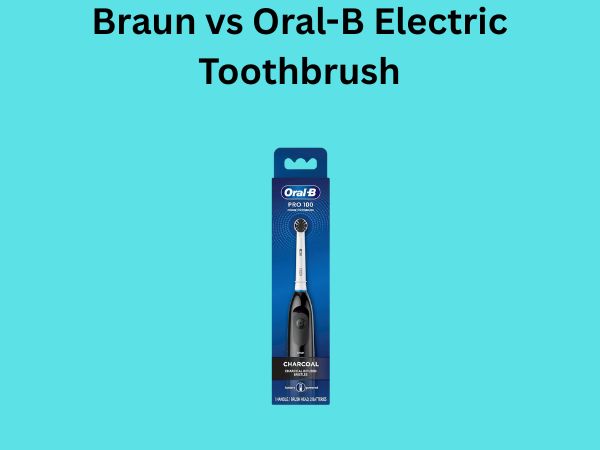
Braun’s electric toothbrush line, particularly their Oral-B subdivision (which Braun owns), has dominated dental professional recommendations for years. If you visit a dentist’s office, there’s a solid chance you’ll see Braun/Oral-B products mentioned in their waiting room literature.
Braun’s Key Technology Features
- Oscillating-rotating brush head technology that moves at speeds up to 20,000 oscillations per minute
- Pressure sensors that alert you when you’re brushing too hard
- Multiple brushing modes designed for different oral health needs
- Extended battery life, often lasting 2-3 weeks per charge
- Visible pressure indicators on the handle itself
Performance and Cleaning Effectiveness
When it comes to actual cleaning power, Braun delivers impressive results. The oscillating-rotating motion is particularly effective at removing plaque from the gum line—an area that causes significant problems for many people. Think of it as having a tiny team of dental hygienists working in your mouth simultaneously.
What I appreciate about Braun is their honest approach to claims. They don’t promise miracles, but they deliver consistent, reliable performance. Clinical studies have shown that regular users of Braun electric toothbrushes experience meaningful reductions in plaque and improved gum health within weeks.
Price Range and Value Proposition
Braun’s pricing strategy spans a wide spectrum. You can find entry-level models starting around $30-50, mid-range options between $100-200, and premium models exceeding $300. This democratization of technology means virtually anyone can access Braun’s engineering, regardless of budget constraints.
Philips Electric Toothbrushes: Innovation Meets Sophistication
The Philips Approach to Oral Care
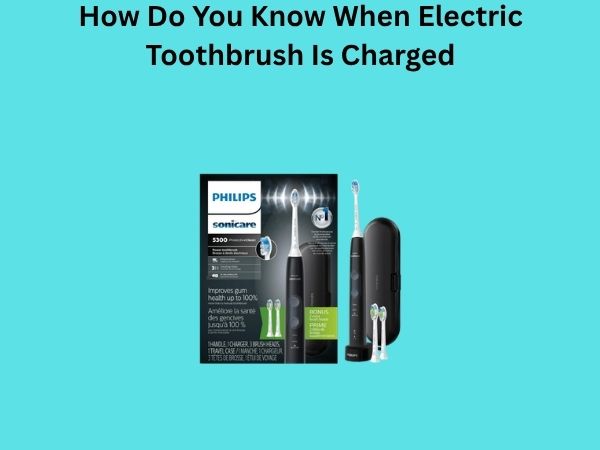
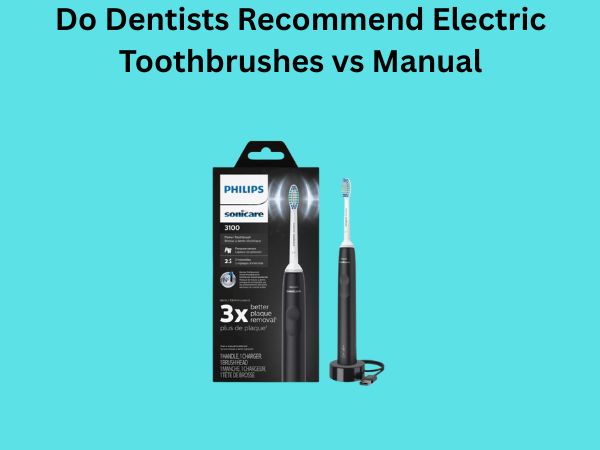
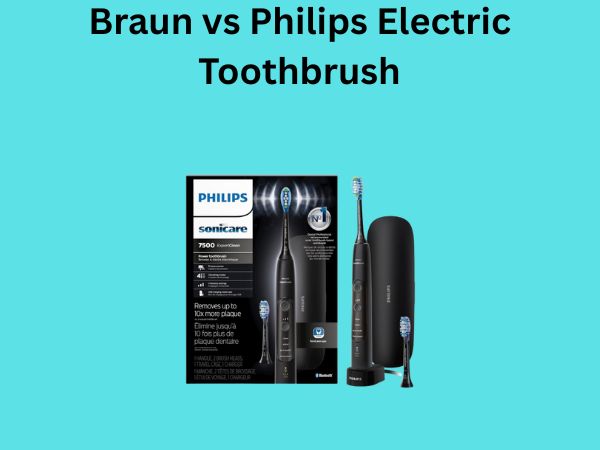
Philips takes a different route entirely. Their Sonicare line represents a philosophy of combining cutting-edge technology with user-friendly design. Where Braun emphasizes simplicity, Philips embraces smart features and connectivity options.
The company has invested heavily in understanding what makes electric toothbrush users tick. They’ve conducted extensive research on user behavior, and this knowledge shapes every aspect of their product development. It’s not just about cleaning teeth—it’s about creating an entire experience.
Philips’ Distinctive Technology Approach
- Sonic vibration technology with speeds exceeding 31,000 brushstrokes per minute
- SmartGuide coaching feature that teaches proper brushing technique
- Smartphone app connectivity for tracking brushing habits
- Personalized guidance based on individual brushing patterns
- Adaptive pressure technology that adjusts automatically
Smart Features and User Experience
One of Philips’ standout features is their integration of smart technology. Many of their premium models connect to smartphone apps that track your brushing sessions, providing real-time feedback and long-term progress reports. Imagine having a personal dental coach in your pocket, reminding you about those hard-to-reach back molars.
The SmartGuide feature is particularly interesting. It physically guides you through your mouth in a specific pattern, ensuring you’re hitting all the essential areas. For people who struggle with proper brushing technique, this can be genuinely transformative.
Pricing and Market Positioning
Philips generally positions itself in the premium segment, though they offer options across different price tiers. Entry-level Sonicare models start around $60-80, mid-range options land between $150-250, and their flagship models can exceed $400. They’re banking on the idea that consumers will pay more for smart features and superior user experience.
Head-to-Head Comparison: The Critical Factors
Cleaning Effectiveness: Which Actually Works Better?
Here’s the honest truth: both brands work exceptionally well. Clinical evidence suggests minimal difference in plaque removal between Braun’s oscillating-rotating technology and Philips’ sonic vibrations. Both are vastly superior to manual brushing, and both will improve your oral health measurably.
However, individual results may vary based on brushing technique and consistency. Someone using a Braun toothbrush correctly will achieve better results than someone haphazardly using a Philips model. The technology matters less than the behavior.
Battery Life and Charging Convenience
Braun generally offers longer battery life between charges. Many models last 2-3 weeks on a single charge, with minimal battery degradation over time. This is a practical advantage if you travel frequently or simply forget to charge devices regularly.
Philips models typically last 1-2 weeks per charge. While this isn’t dramatically shorter, it does mean you’re visiting the charger more often. For some people, this isn’t a concern; for others, it’s a meaningful disadvantage.
Replacement Brush Head Costs
This is where the total cost of ownership really matters. Braun brush heads typically cost $3-8 per head, and you should replace them every 3 months. Philips heads run $5-10, often leaning toward the higher end of that spectrum.
If you’re brushing twice daily for years, these costs accumulate. Over a five-year period, replacement heads could cost you $60-240 depending on which brand and model you choose. It’s not insignificant.
Durability and Build Quality
Both brands manufacture durable products built to last. Braun emphasizes engineering precision, with toothbrushes that feel solid and operate with remarkable consistency. Philips focuses on a more ergonomic design approach, with handles shaped for comfort during extended use.
Neither brand has a significant advantage in longevity. With proper care, either device should last 3-5 years without issues. Some Braun users report their devices working flawlessly for 7-8 years, but this isn’t the norm.
Specialized Features: Finding Your Perfect Fit
Braun’s Strengths in Specific Applications
Braun excels for users who want straightforward functionality. If you simply want to brush your teeth effectively without layers of technology, Braun delivers. Their pressure sensors are among the best on the market—you get immediate tactile feedback when you’re applying too much force, which is invaluable for people with sensitive gums.
Braun also appeals to minimalists who appreciate German engineering and don’t need smartphone connectivity. Their product interfaces are intuitive, requiring minimal learning curve.
Philips’ Specialized Advantages
Philips shines for tech-savvy users and those who benefit from guided brushing. If you’ve struggled with proper brushing technique throughout your life, the coaching features are genuinely helpful. The smartphone integration allows you to identify patterns—perhaps you’re rushing on the right side of your mouth or neglecting your back teeth.
Philips also offers more extensive customization. Different models include various brushing modes specifically designed for sensitive teeth, gum care, and whitening. While Braun offers these too, Philips’ approach feels more refined and personalized.
Sensitivity and Comfort Considerations
Managing Sensitive Teeth and Gums
Both brands understand that many people experience tooth and gum sensitivity. This is where their approaches diverge slightly. Braun’s pressure sensors are proactive—they prevent you from applying too much force in the first place. It’s like having a built-in safety mechanism.
Philips’ adaptive technology learns your brushing patterns and automatically adjusts vibration intensity accordingly. After a few uses, the toothbrush understands your sensitivity profile and modulates its behavior to match.
For people with sensitive teeth, both approaches work, but the experience is different. Braun gives you control through feedback, while Philips handles adjustments automatically.
Warranty and Customer Support
Braun’s Warranty Coverage
Braun typically offers 2-year warranties on their electric toothbrushes. Their customer service is responsive and helpful, though some users report that warranty claims can take time to process. Replacement parts are widely available and reasonably priced.
Philips’ Support Structure
Philips generally provides similar 2-year warranties with comparable customer service. They have extensive online resources and community forums where users discuss products and troubleshoot issues. Their technical support is generally helpful for app-related problems.
Environmental Impact and Sustainability
Both brands have made efforts toward sustainability, though neither is perfect. Braun has introduced more recyclable packaging and attempts to extend product lifespans through durable design. Philips has similar initiatives, focusing on reducing electronic waste.
If environmental concerns drive your purchasing decision, both companies are roughly equivalent. Neither is significantly more sustainable than the other, though both have room for improvement.
Real-World User Experiences and Feedback
Common Braun User Testimonials
Braun users frequently praise reliability and simplicity. A common thread in reviews is that the toothbrush works the same on day one as it does three years later. Users appreciate not dealing with app glitches or complicated settings. The pressure sensors receive consistent praise for preventing gum damage.
Occasional complaints center on brush head availability in some regions and the desire for more advanced features in premium models.
Typical Philips User Feedback
Philips users often highlight the coaching features and app integration as game-changers for their oral hygiene routines. People who previously struggled with proper technique report meaningful improvements after using the guided brushing modes.
Some users mention app connectivity issues or find the technology overwhelming. A minority of users feel they’re paying for features they don’t actually use, viewing the premium pricing as unjustified.
Making Your Decision: Key Considerations
Choose Braun If You Prefer:
- Simplicity and reliability without unnecessary features
- Longer battery life between charges
- Excellent value for your money
- Proven oscillating-rotating technology endorsed by dental professionals
- Minimal technology troubleshooting
- Strong pressure sensors to protect sensitive gums
Choose Philips If You Prefer:
- Smart features and smartphone connectivity
- Personalized brushing guidance and coaching
- Ergonomic handle design focused on comfort
- Adaptive technology that learns your patterns
- Extensive customization options
- Integration with a broader smart home ecosystem
Price Comparison: Finding Your Budget Sweet Spot
At the entry-level ($30-80), Braun offers superior value. Their basic models perform as well as Philips’ equivalent offerings but cost less. If budget is your primary constraint, Braun dominates this segment.
In the mid-range ($100-250), both brands offer excellent options. This is where Philips’ smart features become more integrated, and Braun’s reliability truly shines. Your choice here depends on whether you value technology or simplicity more.
At the premium level ($250+), Philips has the edge for users who want the absolute latest features. Braun’s premium models are excellent, but they prioritize performance refinement over new technology, which some users view as less exciting.
Conclusion
After examining every meaningful angle, there’s no objectively “better” brand between Braun and Philips. They’re both excellent choices, just optimized for different types of users and priorities.
Braun excels at delivering reliable, effective oral care through straightforward engineering. If you want a toothbrush that works brilliantly without complications, Braun is your answer. Their pressure sensors, battery life, and value proposition make them the smart choice for most people, especially those on tighter budgets.
Philips appeals to users who embrace technology and want their toothbrush to be part of a connected ecosystem. The coaching features and app integration genuinely help some people improve their brushing habits. If you’ve struggled with dental hygiene or love having data about your health routines, Philips delivers unique value.
Here’s my honest recommendation: visit a store, hold both brands in your hands, and consider your lifestyle. Do you want simplicity or smart features? Do you travel frequently and need extended battery life? Will you actually use the app functionality? Answer these questions honestly, and your decision becomes obvious.
Either way, you’re choosing between two industry leaders with decades of expertise. You’ll improve your oral health significantly compared to manual brushing. The “best” toothbrush is the one you’ll use consistently, twice daily, without fail—and both Braun and Philips make devices that inspire that kind of commitment.
Frequently Asked Questions
Can I use Braun brush heads on Philips toothbrushes or vice versa?
No, absolutely not. Brush heads from Braun and Philips are completely incompatible. Each company uses proprietary attachment systems. Using the wrong brush head could damage your toothbrush and won’t fit properly. Always purchase replacement heads specifically designed for your toothbrush model.
How often should I replace my electric toothbrush brush head?
Both Braun and Philips recommend replacing brush heads every three months. Some people with aggressive brushing habits should replace them sooner—you’ll notice the bristles becoming frayed or less effective. Setting a reminder on your phone makes this easy to track and ensures you’re always brushing with optimal effectiveness.