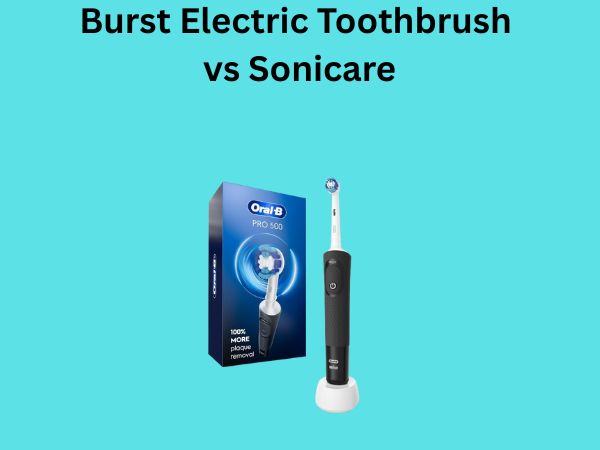
How Does Oral-B Electric Toothbrush Work? A Complete Guide to Understanding Your Smart Dental Care Device
Have you ever wondered what’s really happening inside your electric toothbrush when you press that power button? Most of us just grab our Oral-B, turn it on, and expect our teeth to get cleaner—but there’s actually a fascinating world of technology working behind the scenes. Think of your electric toothbrush as a tiny dental professional living in your bathroom, ready to give your teeth the attention they deserve every single day.
If you’re curious about the mechanics that make Oral-B one of the leading electric toothbrush brands in the world, you’ve come to the right place. Let me walk you through exactly how these devices work, from the initial power source to the final brush strokes on your molars.
The Basic Technology: What Powers Your Oral-B Electric Toothbrush
At its core, an Oral-B electric toothbrush relies on three fundamental components working together in perfect harmony: a power source, a motor system, and a brush head mechanism. Without any one of these elements, the whole system falls apart like a three-legged stool with a missing leg.
The magic starts with the rechargeable battery (in most modern models) or disposable batteries (in some entry-level versions). This power source is the heart of everything—it’s what gives the toothbrush its energy to perform thousands of brush strokes every single minute. Oral-B has invested heavily in battery technology over the years, moving from basic alkaline batteries to sophisticated lithium-ion batteries that hold their charge longer and deliver more consistent power.
Understanding the Motor System
Now here’s where things get interesting. Inside your Oral-B toothbrush sits a small yet incredibly powerful motor. This isn’t your average motor—it’s specifically engineered to create rapid vibrations and oscillations that professional dentists have proven effective for removing plaque and improving gum health.
Different Oral-B models use different motor technologies, but the principle remains the same: converting electrical energy into mechanical motion. When you switch on your toothbrush, the motor receives a signal and begins spinning or vibrating at a predetermined frequency. This frequency varies depending on the cleaning mode you’ve selected—whether it’s gentle cleaning, whitening, or deep plaque removal.
The Oscillation and Rotation Technology Explained
Here’s something that sets Oral-B apart from many competitors: many of their electric toothbrushes don’t just vibrate up and down like you might imagine. Instead, they use a combination of oscillation and rotation movements—and this is precisely why they’re so effective.
What Is Oscillation?
Oscillation refers to the back-and-forth or side-to-side movements of the brush head. When your Oral-B toothbrush is set to an oscillating mode, the brush head moves rapidly from left to right and back again. Imagine a miniature version of the back-and-forth motion you make when you manually brush your teeth, except happening hundreds of times per second. This movement dislodges food particles and bacteria from between your teeth and along your gum line.
What Is Rotation?
Rotation is when the brush head spins around its central axis, much like a traditional circular brush movement. Premium Oral-B models combine both oscillation and rotation, creating a three-dimensional cleaning action that reaches areas manual brushing sometimes misses. The brush head rotates in one direction, then oscillates, then rotates in the opposite direction—all within a fraction of a second.
This hybrid approach is why many users report noticeably whiter teeth and healthier gums after switching to Oral-B. The combination attacks plaque from multiple angles simultaneously, almost like having a professional cleaning at the dentist’s office happening twice a day in your own bathroom.
Inside the Brush Head: The Real Worker
The brush head is where all the action actually happens. It’s not just a random collection of bristles—it’s a carefully engineered component designed to maximize cleaning efficiency while remaining gentle on your tooth enamel and gums.
Brush Head Design and Bristle Configuration
Oral-B brush heads typically feature:
- Precisely angled bristles (usually around 16 degrees) that optimize plaque removal
- Bristles of varying heights to reach different surfaces of your teeth
- A small, concentrated brush head design that allows better access to tight spaces between teeth
- Soft nylon bristles that are tough on plaque but gentle on gums and enamel
- A rubber or silicone cup base that helps create a seal for better cleaning contact
When the motor sends vibrations through the brush head, these bristles work together like a coordinated team. They massage your gums, scrub away plaque, and reach into areas that traditional manual brushing simply can’t access effectively.
How the Power Transmission System Works
You might be wondering: how does the power from the motor actually reach the brush head? It’s not magic—it’s engineering.
The motor is mounted in the handle and connected to the brush head through a transmission system. In most Oral-B models, the brush head simply clicks onto a small spindle or attachment point that transfers the motor’s vibrations directly to the bristles. Some premium models use more sophisticated magnetic attachment systems that allow for safer, easier removal and replacement.
The transmission isn’t a complex system of gears and pulleys. Instead, it’s a direct transfer of vibrational energy. When the motor creates oscillations at, say, 7,600 pulses per minute (a common frequency for many Oral-B models), that exact same frequency is transmitted directly to the brush head. It’s remarkably elegant in its simplicity.
Different Cleaning Modes: How Your Toothbrush Adapts
One of the reasons Oral-B electric toothbrushes have gained such widespread popularity is their versatility. Most models offer multiple cleaning modes, each optimized for different cleaning goals.
Daily Clean Mode
This is your standard operating mode. It runs the motor at its default frequency—usually around 7,600 oscillations per minute—and provides consistent, effective cleaning for everyday use. It’s what most people use every morning and night.
Sensitive Mode
If your teeth are sensitive to temperature or pressure, this mode is a lifesaver. It reduces the motor frequency or the force of oscillation, making the brushing experience gentler on sensitive teeth and receding gums. The bristles still work effectively, but with less intensity.
Whitening Mode
This mode typically increases the frequency of oscillations to provide more vigorous cleaning. The bristles work harder and faster to remove surface stains and discoloration from coffee, wine, and other staining substances. Regular use can help keep your smile brighter.
Gum Care Mode
Specifically designed to massage and stimulate your gums, this mode usually reduces the standard frequency while increasing the intensity of the pulsing sensation. Think of it as a gum massage therapy session that happens twice a day.
Tongue Cleaning Mode
Some premium Oral-B models include a special mode that reverses the rotation direction or changes the oscillation pattern to effectively clean your tongue without irritating it.
Smart Technology: The Digital Intelligence Behind Modern Oral-B Brushes
Here’s where Oral-B has really stepped up its game in recent years. Many of their newer models include smart technology that makes your brushing experience more effective and personalized.
Pressure Sensors
Have you ever pressed too hard when brushing, worried you might be damaging your teeth? Some Oral-B models include built-in pressure sensors that detect when you’re applying too much force. If you press too hard, the brush automatically reduces power or sends you a visual or auditory signal. It’s like having a dentist gently reminding you to ease up.
Artificial Intelligence and Connectivity
Premium Oral-B models can connect to your smartphone via Bluetooth. These devices track your brushing patterns, provide real-time feedback on your technique, and even create personalized brushing plans. The app can tell you if you’re spending enough time on each section of your mouth and if you’re brushing at the right angle. Some models use artificial intelligence to analyze your brushing data and suggest improvements.
Timer Systems
Most Oral-B electric toothbrushes include a built-in timer that alerts you every 30 seconds to remind you to move to a different section of your mouth (the quadrant system). After two minutes, the brush delivers a final alert letting you know you’ve reached the American Dental Association’s recommended brushing time.
Battery Technology and Power Management
Let’s talk about the battery, because without it, nothing else matters. Modern Oral-B toothbrushes rely on lithium-ion batteries, the same technology that powers your smartphone and electric vehicles.
A typical Oral-B rechargeable toothbrush battery can power your brush for about 7-10 days of twice-daily brushing on a single charge. The motor is engineered to be remarkably efficient, drawing just enough power to maintain consistent oscillation frequencies while extending battery life as much as possible.
The charging technology has also evolved. While older models used simple contact-based charging, many modern Oral-B toothbrushes use inductive charging (wireless charging) similar to modern smartphones. You simply place the toothbrush in its charging dock, and power transfers wirelessly to the battery. This eliminates exposed contacts that could corrode over time and creates a waterproof seal.
Waterproofing: How Your Toothbrush Survives Moisture
Since your toothbrush spends a significant portion of its life surrounded by water and saliva, waterproofing is absolutely essential. Oral-B designs their toothbrushes with multiple levels of protection:
- Sealed rubber gaskets around the brush head attachment point
- Waterproof coatings on internal electronics
- Pressure-sealed compartments housing sensitive components
- Drainage systems that prevent water from pooling inside the handle
- Protective barriers around the motor housing
Most Oral-B toothbrushes are rated as IPX7 waterproof, which means they can handle being submerged in water up to 1 meter deep for 30 minutes. Essentially, you don’t need to worry about your brush getting wet—that’s exactly what it’s designed for.
The Science Behind Plaque Removal
Now let’s get down to the real reason you’re using this device: does it actually clean your teeth better than manual brushing? The answer, backed by multiple dental studies, is yes.
When the oscillating and rotating bristles vibrate at high frequencies, they create microscopic movements that manual brushing simply can’t replicate. These rapid movements generate a phenomenon called cavitation—tiny bubbles form and implode in the spaces between your teeth, creating a cleaning action that removes plaque and bacteria far more effectively than friction alone.
The oscillations also help your toothbrush reach areas that are difficult to access with a manual brush. The narrow brush head of most Oral-B models fits easily between teeth and below the gum line, while the high-frequency vibrations ensure nothing escapes the cleaning action.
Comparing Oscillation Frequencies: Why Numbers Matter
You might have noticed Oral-B advertises different models with different oscillation frequencies—7,600 per minute, 8,800 per minute, 10,000 per minute, and so on. Do these numbers matter? Yes, but not in the way you might think.
A higher oscillation frequency doesn’t necessarily mean better cleaning. Instead, different frequencies are optimized for different purposes. Some research suggests that moderate frequencies around 5,000-10,000 oscillations per minute provide optimal cleaning without causing tissue damage or discomfort. Higher frequencies might seem impressive on paper, but they don’t necessarily translate to significantly better results.
Common Misconceptions About How Electric Toothbrushes Work
Misconception 1: Electric Toothbrushes Are Too Powerful
Many people worry that electric toothbrushes will damage their tooth enamel or irritate their gums. In reality, when used properly, electric toothbrushes are extremely gentle. Modern Oral-B models have pressure sensors and adjustable power settings that prevent over-aggressive brushing.
Misconception 2: They Work Like Small Jackhammers
Some people imagine that electric toothbrushes create a violent, jarring motion. The truth is more subtle. The oscillations happen hundreds of times per second, creating a smooth, consistent cleaning action rather than a jarring motion.
Misconception 3: Electric Toothbrushes Don’t Require Good Technique
While it’s true that electric toothbrushes are more forgiving than manual brushes, proper technique still matters. You should still angle the brush at 45 degrees to your gum line and systematically cover all surfaces of your teeth.
Maintenance and Longevity: Keeping Your Brush Working Optimally
To keep your Oral-B electric toothbrush functioning at peak efficiency, follow these practices:
- Replace the brush head every three months or when bristles show signs of wear
- Clean the brush head regularly under running water
- Allow the toothbrush to air dry completely between uses
- Keep the charging dock clean and dry
- Don’t expose the brush to extreme temperatures
- Replace the battery if the brush doesn’t hold a charge longer than a few days
Conclusion
Your Oral-B electric toothbrush is far more than just a gimmick—it’s a sophisticated piece of dental technology designed around decades of research into what actually works. From the powerful motor creating thousands of oscillations per minute to the smart technology that provides real-time feedback, every component serves a specific purpose in helping you achieve better oral health.
The combination of oscillation and rotation, the carefully engineered brush head design, and the waterproof technology all work together to create a cleaning experience that’s simply superior to manual brushing for most people. Whether you’re fighting plaque buildup, managing sensitive teeth, or just trying to keep your smile bright, your Oral-B toothbrush has a mode and a mechanism designed specifically for your needs.
Now that you understand the technology behind your toothbrush, you can appreciate the engineering marvel that’s been in your bathroom all along. Every time you press that power button, you’re harnessing technology that would have seemed like science fiction just a few decades ago.
Frequently Asked Questions
What makes Oral-B electric toothbrushes different from other electric toothbrush brands?
Oral-B’s primary differentiator is their extensive research into oscillating-rotating technology combined with smart features. Most competitors use either simple vibration or basic rotation, while Oral-B combines both for a comprehensive cleaning approach. Additionally, Oral-B has invested heavily in smart technology, pressure sensors, and professional partnerships with dental organizations worldwide. Their brush heads are also uniquely designed with angled bristles that have been specifically tested to maximize plaque removal.
How long should I actually brush my teeth with an Oral-B electric toothbrush?
The standard recommendation is two minutes, which aligns with guidelines from dental organizations like the American Dental Association. Most Oral-B models include a built-in two-minute timer that pulses every 30 seconds to remind you to move to a different