Electric Toothbrush Buying Guide: Key Features to Consider
When buying an electric toothbrush, you should look for brush head options, battery life, and features like pressure sensors. These elements ensure you get a clean that’s effective and comfortable for your daily routine. It’s about finding the right fit for your smile and your lifestyle.
An electric toothbrush can make a big difference in your oral hygiene. We found that many people struggle with manual brushing. Choosing an electric model often means better plaque removal and a gentler experience. Think of it as an upgrade to your daily scrub.
- Look for interchangeable brush heads.
- Check the battery life for convenience.
- Pressure sensors protect your gums.
- Consider smart features if you like data.
- Read reviews for real-world performance.
Let’s walk through exactly what to consider to make sure you pick the best electric toothbrush for you!
What to Consider When Shopping for an Electric Toothbrush
Picking the right electric toothbrush can feel like a big decision. You want something that cleans well. You also want it to be easy to use every day. We’ve researched what makes a good electric toothbrush. This guide will help you find the best one for your smile. Let’s break down the key features you should be looking for.
Brush Head Types and Swapping
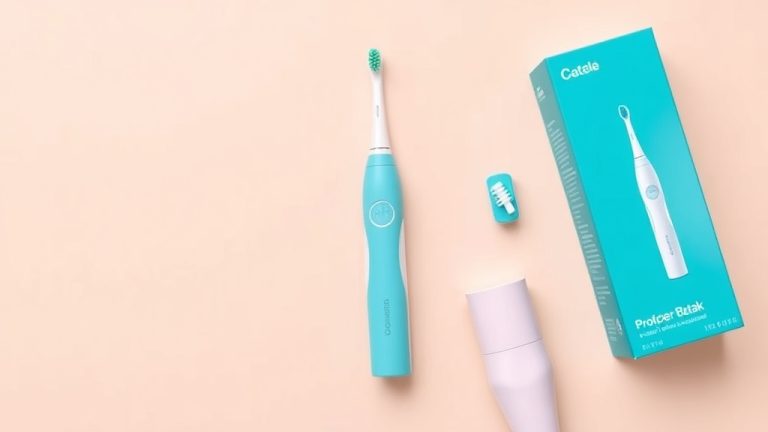
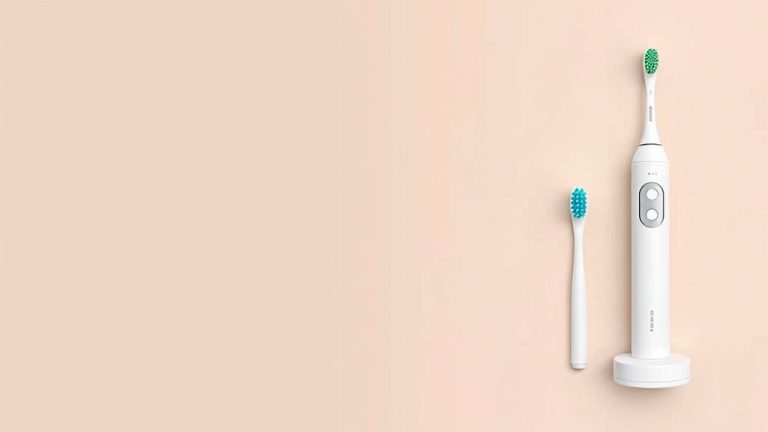
The brush head is where the magic happens. It’s the part that actually cleans your teeth. You’ll find different types of brush heads available. Some are designed for general cleaning. Others target specific issues like gum care or whitening. Make sure the toothbrush model you choose has interchangeable brush heads. This allows you to switch them out when they wear down. It also lets you try different head types. Most brands offer a variety of options.
Round vs. Elongated Heads
Many electric toothbrushes use small, round heads. These are great for cleaning each tooth individually. They can reach into nooks and crannies more easily. Some people prefer slightly larger, more elongated heads. These might feel more familiar if you’re used to manual brushes. They can cover more surface area at once. Research and found that round oscillating-rotating heads often show superior plaque removal (Cochrane Database of Systematic Reviews). This is a common design in many popular models.
Specialty Brush Heads
Beyond the basic cleaning heads, look for specialty options. Do you have sensitive gums? Many brands offer soft-bristle heads. These are gentler and can reduce irritation. Are you hoping for a brighter smile? You might find heads with polishing cups. These are designed to help remove surface stains. Some heads are specifically made for cleaning along the gumline. Checking the available brush head range for a model is a smart move.
Battery Life and Charging
No one wants a toothbrush that dies halfway through brushing. Battery life is a really important factor. Most electric toothbrushes use rechargeable batteries. The length of time a single charge lasts can vary quite a bit. Some can go for a week or two. Others might last for several weeks. If you travel often, long battery life is a big plus. You might not need to pack a charger.
Charging Methods
How you charge the toothbrush also matters. Many come with a charging base. You simply place the toothbrush handle on the base. Some newer models offer USB charging. This can be very convenient for travel. You might even find models with charging cases. These cases can charge your toothbrush on the go. Think about your daily routine. Where will you store and charge your toothbrush? A simple, effective charging solution is best.
Key Features for a Better Clean
Electric toothbrushes offer features that manual brushes just can’t match. These can help you brush more effectively and safely. We looked at the most helpful additions.
Pressure Sensors: Protecting Your Gums
Brushing too hard is a common mistake. It can damage your gums and tooth enamel. A pressure sensor is a lifesaver for your gums. It alerts you when you’re applying too much force. This alert can be a light, a vibration, or a sound. Many experts say this feature is essential for preventing gum recession and sensitivity (American Dental Association). Our guide to the best electric toothbrush for gum health explains how to protect your gums.
Timers and Pacing
Dentists recommend brushing for at least two minutes. Many electric toothbrushes have built-in timers. These ensure you brush for the full recommended time. Some timers will pause or vibrate every 30 seconds. This signals you to move to a different quadrant of your mouth. This pacing helps ensure you clean all areas equally. It’s like having a mini dental coach.
Smart Features and Connectivity
Some electric toothbrushes offer smart technology. These can connect to your smartphone via Bluetooth. Apps can track your brushing habits. They might provide real-time feedback on your technique. You can see where you missed spots. Some apps even offer personalized coaching. If you enjoy data and like to optimize your routines, these features could be appealing.
Is a Smart Toothbrush Right for You?
These smart features can be great for some people. They can help you become more aware of your brushing. However, they aren’t necessary for everyone. A good electric toothbrush without all the bells and whistles can still provide an excellent clean. Consider if you’ll actually use the app and the data it provides. We found that simpler models are often just as effective for daily oral care.
Noise Level and Vibration
This might seem like a minor detail. But the sound and vibration of an electric toothbrush can affect your experience. Some models are quite loud. Others are surprisingly quiet. The intensity of the vibration can also vary. If you are sensitive to noise or strong vibrations, look for reviews that mention these aspects. Some brands market themselves as being quieter or gentler.
Ease of Use and Ergonomics
How does the toothbrush feel in your hand? It should be comfortable to grip. The controls should be easy to access and understand. Some toothbrushes have many buttons. Others have a simple on/off switch. Think about who will be using the toothbrush. Small hands might prefer a slimmer handle. If you have dexterity issues, a larger grip might be more manageable.
Your Checklist for Buying
Ready to choose? Keep this simple checklist handy:
- Confirm brush heads are easily replaceable.
- Check the battery life meets your needs.
- Does it have a pressure sensor?
- Is the timer helpful for your routine?
- Does it feel comfortable in your hand?
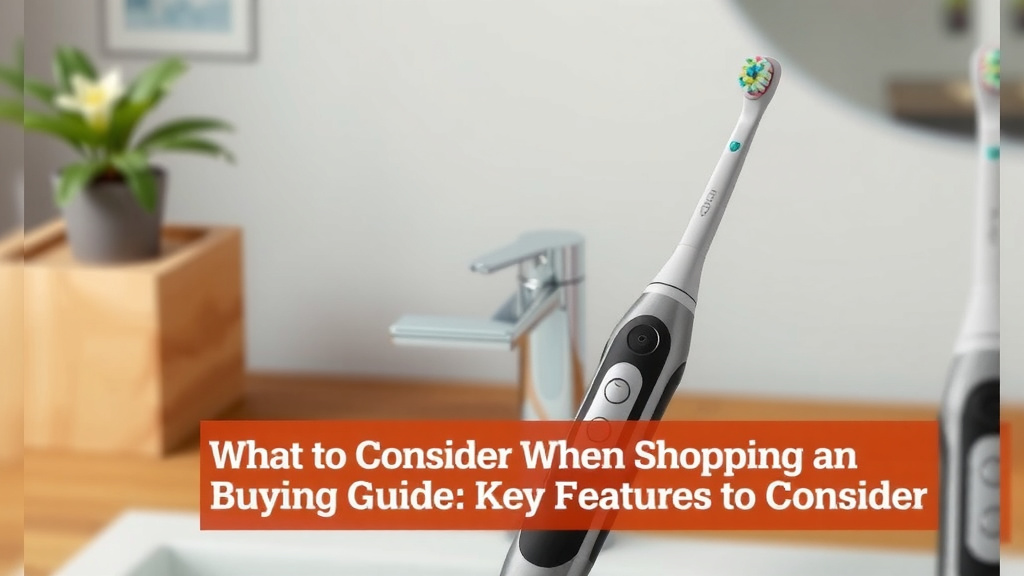
Conclusion
Choosing an electric toothbrush is a smart move for your oral health. You’ve learned to look beyond just a basic clean. Focusing on brush head options, reliable battery life, and helpful features like pressure sensors will guide your decision. These elements ensure a comfortable and effective brushing experience tailored to you. Ready to upgrade your smile? Your next step is to compare models based on these key factors. Find the electric toothbrush that feels right for your daily routine and your unique needs.
Frequently Asked Questions
Do I really need a pressure sensor on an electric toothbrush?
Yes, a pressure sensor is highly recommended. Brushing too hard can damage your gums and enamel. This feature alerts you when you’re applying too much force, protecting your oral health.
How do I know if the brush head is the right type for me?
Consider your specific needs. If you have sensitive gums, look for If you have sensitive gums, our guide to the best electric toothbrush for sensitive teeth can help.soft-bristle heads. Round heads are great for individual tooth cleaning, while some prefer larger heads for wider coverage. Many brands offer various specialty heads to try.
What’s the most important thing to check about the battery?
The most important factor is battery life duration per charge. If you travel frequently, a longer battery life means you won’t need to pack your charger as often. Also, consider how it charges, like a base or USB.
Are smart electric toothbrushes worth the extra cost?
Smart toothbrushes can offer real-time feedback via apps, which helps improve technique. However, they aren’t essential for a good clean. A quality electric toothbrush without smart features can be just as effective if you don’t need detailed tracking.
How often should I replace my electric toothbrush head?
You should replace your electric toothbrush head every three to four months, or sooner if the bristles become frayed. Worn-out bristles are less effective at cleaning and can be harsh on your gums.