Choosing the Best Electric Toothbrush for You
Navigating the electric toothbrush landscape in 2026 might seem daunting, but the perfect clean for your smile is within reach. It’s not just about shiny new tech; your ideal brush hinges on what your mouth needs and what your wallet can handle. Dentists often laud oscillating-rotating brushes for their plaque-busting power, while sonic models offer a gentler, yet still effective, vibration. Think about your gum health, whether you crave smart features like pressure alerts, or if a variety of brushing modes would elevate your routine.
We found that electric toothbrushes offer a noticeably better clean than manual ones for most people. They can help improve gum health and reduce staining. Understanding the different technologies and brands available will help you make an informed decision for your daily oral care routine. Think about what you want most: power, gentleness, or advanced tech?
- Look for oscillating-rotating or sonic technology.
- Consider your gum sensitivity and desired features.
- Think about your budget and brand preferences.
- Read reviews for models that match your needs.
Let’s break down what makes certain electric toothbrushes stand out so you can find the perfect fit for your smile.
How to Choose Your Perfect Electric Toothbrush
Deciding on the right electric toothbrush can seem like a big choice. We’ve looked at what dentists and researchers recommend. Your best bet usually comes down to your personal brushing habits and what you want to achieve for your oral health.
Understanding Electric Toothbrush Technologies
There are two main types of electric toothbrushes you’ll find. Each offers a different way to clean your teeth effectively. We found that both can be a big upgrade from manual brushing.
1. Oscillating-Rotating Brushes
These brushes have a small, round brush head. It spins back and forth very quickly. It also pulses in and out. This action is designed to cup each tooth. It sweeps away plaque efficiently. Many dental professionals favor this technology. Research often shows it’s excellent for plaque removal.
The motion feels a bit more vigorous. It’s like a mini scrubbing action for each tooth. You just guide the brush. Let its movements do the hard work. This can be very satisfying for many users.
2. Sonic Brushes
Sonic toothbrushes have brush heads that look more like manual ones. These heads vibrate at very high speeds. We’re talking thousands of vibrations per minute. These vibrations create a dynamic cleaning action. They help fluids reach between teeth. This can help dislodge plaque and food particles.
The sensation is different. It’s a high-frequency buzzing. Many find this gentler on their gums. It still provides a deep clean. It’s great for those who might have sensitive gums or want a less intense feel.
Key Features to Consider
Beyond the core technology, electric toothbrushes come with many extra features. Think about what would make your brushing routine better. Not everyone needs every bell and whistle. We found these are the most helpful ones to look for.
Pressure Sensors
This is a big one for preventing damage. Brushing too hard can harm your gums and enamel. A pressure sensor will alert you. It might light up or change its vibration pattern. This helps you learn to apply just the right amount of force. It’s like having a built-in coach for your brushing technique.
We found that many people tend to brush harder than they think. This feature is especially useful if you’re switching from manual brushing. It helps protect your oral health over time.
Timers and Pacing
Most electric toothbrushes have a built-in timer. It usually signals when you’ve brushed for the recommended two minutes. Some also have quad pacers. They will pause briefly every 30 seconds. This prompts you to move to a different section of your mouth. Dentists recommend spending equal time on all areas. This ensures a thorough clean every time.
Brushing Modes
Some models offer different brushing modes. You might see options like “Clean,” “Whitening,” “Gum Care,” or “Sensitive.” These modes adjust the speed or pattern of the brush head. For example, a “Sensitive” mode would use a gentler vibration. A “Whitening” mode might use a polishing action. Consider if these special modes would benefit your specific needs.
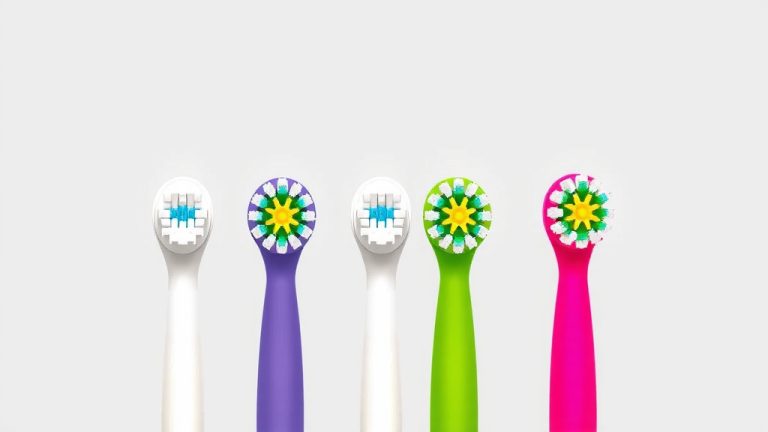
Brush Head Variety
Many brands offer a variety of replacement brush heads. You can choose based on your goals. There are heads for deep cleaning, sensitive teeth, whitening, and even braces. Being able to swap these out keeps your brushing effective. It ensures you always have the right tool for the job.
Popular Brands and What They Offer
When you start looking, you’ll see a few big names. Each brand has its strengths. We’ve summarized what many users find helpful.
Oral-B
Oral-B is known for its oscillating-rotating technology. They have a wide range of models. These go from basic to high-tech. Many of their brushes come with pressure sensors and multiple modes. They are often recommended by dentists for their powerful cleaning action.
Philips Sonicare
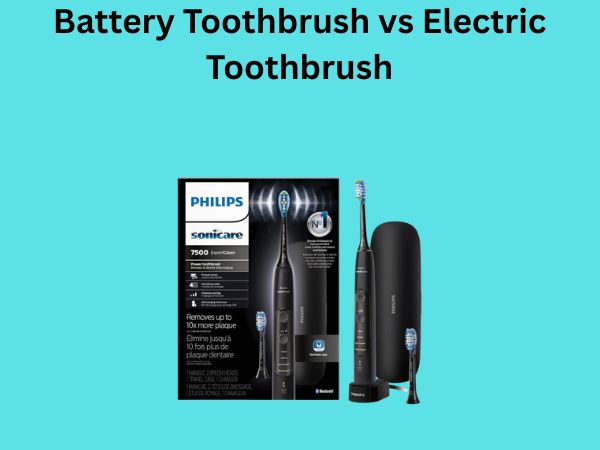
Philips Sonicare is the leader in sonic vibration technology. Their brushes offer a high number of brush strokes per minute. They are often praised for being gentle yet effective. Many models include timers and pressure sensors. They also have a good selection of brush heads for different needs.
Other Brands to Consider
You might also find brands like Quip or Burst. Quip offers a subscription model for brush heads. Their brushes are often simpler and more budget-friendly. Burst offers sonic toothbrushes with a focus on design and advanced features. Researching these can be worthwhile if you’re looking for something slightly different.
Making Your Final Decision: A Quick Checklist
To help you narrow it down, ask yourself these questions. We found that ticking these boxes can make the choice much easier.
- Do I prefer a small, round, oscillating head or a larger, vibrating head?
- Are my gums sensitive? Do I need a gentle mode or pressure sensor?
- Is a long battery life important for travel?
- What is my budget for the initial purchase and replacement heads?
- Are there any specific features like whitening or gum care modes that I really want?
Thinking through these points will guide you toward the electric toothbrush that’s truly right for you. Your smile will thank you for taking the time to choose wisely!
Conclusion
You’re now equipped to choose the perfect electric toothbrush for your smile. Remember, oscillating-rotating brushes excel at plaque removal, while sonic brushes offer a gentler vibration. Think about your unique needs, like gum sensitivity or wanting features like pressure sensors and timers. Your budget is also a key factor, especially when considering replacement brush heads. We found that taking a moment to match these features to your habits will ensure you get a clean you can feel. Your next step is to look at a few models that fit your criteria and read recent reviews. A great clean awaits!
Frequently Asked Questions
How often should I replace my electric toothbrush head?
Generally, you should replace your electric toothbrush head every three months. Manufacturers recommend this to ensure optimal cleaning performance. Worn bristles are less effective at removing plaque and can even harbor bacteria.
Are electric toothbrushes really better than manual ones?
For most people, yes. Research and dentist recommendations often point to electric toothbrushes providing a more thorough clean. They are particularly effective at reducing plaque and gingivitis. Features like timers and pressure sensors also help improve brushing technique.
Can I use an electric toothbrush if I have sensitive gums?
Absolutely. Many electric toothbrushes offer specific “Sensitive” modes that use gentler vibrations. You can also look for models with pressure sensors. These alert you if you’re brushing too hard, which is common with sensitive gums. Choosing a softer brush head can also help.
What’s the difference between Oral-B and Philips Sonicare?
Oral-B primarily uses oscillating-rotating technology with small, round brush heads. Philips Sonicare is known for its sonic vibration technology and typically uses larger, more traditional-shaped brush heads. Both are excellent, but they offer different cleaning sensations and mechanics.
Do I need all the fancy modes on an electric toothbrush?
Not necessarily. While modes like “Whitening,” “Gum Care,” or “Deep Clean” can be beneficial, the basic “Clean” mode is often sufficient for daily use. If you have specific oral health concerns, these extra modes might be helpful. For many, a good pressure sensor and timer are the most important features beyond the core cleaning technology.