Manual vs Electric Toothbrush: Which Is Better for Your Smile
When deciding between a manual vs. electric toothbrush, studies often show that electric toothbrushes tend to offer a superior clean for most people. This is largely due to their oscillating or sonic technology, which can remove more plaque than manual brushing alone.
You might be wondering which type of toothbrush is truly best for your smile. While a manual brush can be effective with proper technique, electric models often make it easier to achieve better oral hygiene. We found that the consistent power and movement of electric brushes help target plaque more effectively.
- Electric toothbrushes generally remove more plaque than manual ones.
- They can make brushing easier and more consistent.
- Manual brushes are still effective with good technique.
- Your personal preference and technique matter most.
Let’s dive into the specifics of manual versus electric toothbrushes, so you can make the best choice for your dental health.
Choosing Your Perfect Toothbrush: Manual vs. Electric Showdown
So, you’re standing in the toothbrush aisle, staring at a dazzling array of options. It’s a common dilemma: should you stick with the trusty manual toothbrush or make the leap to an electric one? We’ve looked at the facts, and the answer often leans towards electric for many, but let’s break down what each brings to the table so you can make the best call for your smile.
The Case for the Classic: Your Manual Toothbrush
Your manual toothbrush has been a dental hygiene staple for generations. It’s simple, affordable, and doesn’t require charging. When used with the correct technique, it can absolutely keep your teeth clean and healthy.
How to Get the Best from Your Manual Brush
It all comes down to technique. You want to use gentle, short strokes. Think of it like polishing, not scrubbing. Aim for a 45-degree angle towards your gum line. Make sure you cover all surfaces: the outer, inner, and chewing surfaces of each tooth. Don’t forget your tongue!
- Use gentle, circular or back-and-forth strokes.
- Angle the bristles toward your gum line.
- Brush all surfaces of your teeth.
- Replace your brush every 3-4 months, or sooner if the bristles fray.
Many dental professionals will tell you that if you have excellent brushing habits with a manual brush, you can achieve great results. The key is consistency and thoroughness. You’re essentially doing all the work with your hand and wrist.
The Electric Advantage: Powering Up Your Clean
Electric toothbrushes have come a long way. They come with various features, from simple oscillating heads to advanced sonic vibrations. The primary benefit is that the brush does most of the work for you. This can be a game-changer for many people.
How Electric Toothbrushes Work Their Magic
Electric toothbrushes typically use two main types of motion: oscillating-rotating or sonic technology. Oscillating-rotating brushes have a small, round head that spins and pulsates. Sonic brushes have heads that vibrate at high speeds, creating fluid dynamics that can help clean beyond where the bristles physically touch.
Oscillating-Rotating Heads
These are the classic electric toothbrush heads. They move in a back-and-forth, circular pattern. Think of it like tiny power drills for your teeth. They’re very effective at scrubbing away plaque and stimulating your gums.
Sonic Vibration Heads
Sonic toothbrushes are known for their rapid vibrations. These vibrations create thousands of brush strokes per minute. This speed is much faster than you could achieve manually. It also creates a dynamic cleaning action that can reach between teeth and along the gum line.
Why Many People Prefer Electric
Research consistently shows that electric toothbrushes, particularly oscillating-rotating models, are more effective at removing plaque than manual toothbrushes (NCBI). They can also be gentler on your gums, especially if you tend to brush too hard with a manual brush. Many electric models have built-in timers, ensuring you brush for the recommended two minutes. They also often have pressure sensors to alert you if you’re pressing too hard, preventing gum damage.
If you have conditions like arthritis or limited dexterity, an electric toothbrush can make brushing much easier and more effective. You simply guide the brush; it does the intricate work. This can lead to a more consistent and thorough clean overall.
Considering Your Needs: Which Brush is Right for You?
The “best” toothbrush isn’t a one-size-fits-all answer. It depends on your personal habits, any dental conditions you have, and what you find easiest to use consistently.
Factors to Think About
Your budget is a practical consideration. Manual toothbrushes are very inexpensive. Electric toothbrushes have a higher upfront cost, and you’ll need to buy replacement heads periodically. Your dexterity is also key. If you struggle with fine motor skills, an electric brush is often a superior choice. Some people find the sensation of an electric brush ticklish at first. Others find the ease of use makes them more diligent about brushing.
When Manual Might Still Shine
If you are a meticulous manual brusher with perfect technique, you might not see a huge difference in plaque removal. Manual brushes are also fantastic for travel. They take up little space and don’t need batteries or charging.
When Electric Takes the Crown
For most people, an electric toothbrush offers an easier path to superior plaque removal and can help prevent common brushing errors like brushing too hard. They remove the guesswork and the effort involved in achieving a good clean.
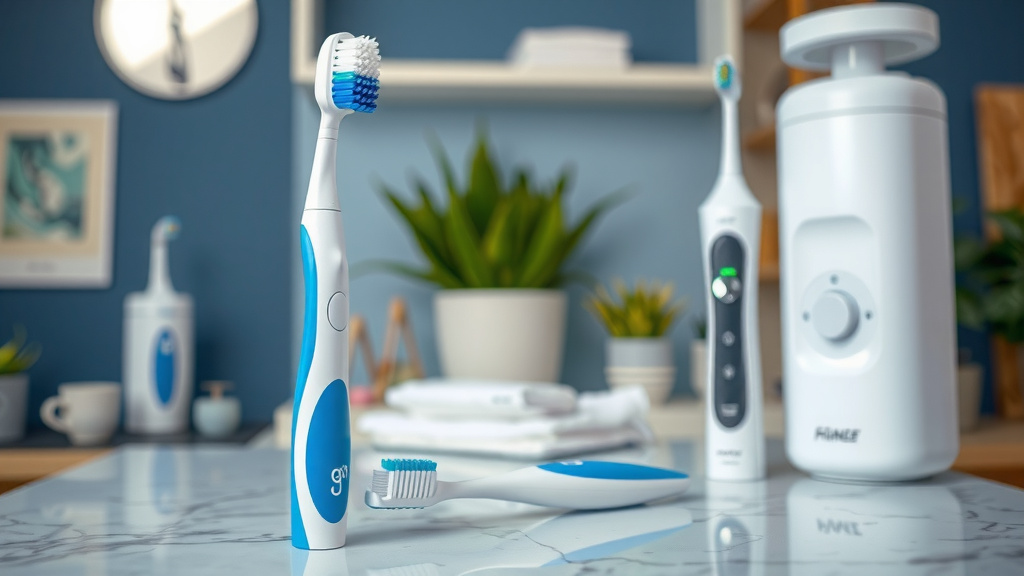
A Quick Comparison: Manual vs. Electric
| Feature | Manual Toothbrush | Electric Toothbrush |
|---|---|---|
| Cost | Low initial cost, very low replacement cost. | Higher initial cost, moderate replacement head cost. |
| Plaque Removal | Effective with perfect technique. | Generally more effective, especially oscillating-rotating models (NCBI). |
| Ease of Use | Requires good manual dexterity and technique. | Less effort required, good for limited dexterity. |
| Features | Basic. | Timers, pressure sensors, multiple modes, app connectivity. |
| Technique Dependency | High. | Lower; brush guides the motion. |
Your Personal Checklist for a Healthier Smile
No matter which type of toothbrush you choose, here’s what you should focus on for optimal oral health:
- Brush at least twice a day for two minutes each time.
- Replace your toothbrush or brush head every 3-4 months.
- Use fluoride toothpaste.
- Clean between your teeth daily with floss or interdental brushes.
- Visit your dentist regularly for check-ups and professional cleanings.
Ultimately, the best toothbrush is the one you will use consistently and correctly. If an electric toothbrush helps you brush better and more often, it’s likely the right choice for you. If you’re happy and healthy with your manual brushing routine, keep up the great work!
Conclusion
When choosing between a manual and electric toothbrush, the research consistently points to electric models often providing a superior clean for most individuals. Their powered movements can remove more plaque and make consistent brushing easier. However, a manual toothbrush is still a perfectly viable option if you have excellent technique and are diligent. Ultimately, the best toothbrush for your smile is the one you’ll use effectively and consistently, twice a day, for two minutes each time. Make your choice based on your personal habits and what helps you maintain the best oral hygiene.
Frequently Asked Questions
Do electric toothbrushes really clean better than manual ones?
Yes, research often shows that electric toothbrushes, especially oscillating-rotating types, tend to remove more plaque than manual brushes. They provide consistent power and movement that can be harder to achieve with manual brushing alone.
Is it okay to use a manual toothbrush if I have good brushing technique?
Absolutely. If you are meticulous with your manual brushing technique, ensuring you reach all surfaces and angle toward the gum line, you can achieve excellent results. Consistency and thoroughness are key with any brush.
Are electric toothbrushes better for people with sensitive gums?
Many electric toothbrushes come with pressure sensors that alert you if you’re brushing too hard, which can protect sensitive gums. Some people also find the consistent, gentle motion of an electric brush less irritating than manual scrubbing.
How often should I replace my toothbrush or electric brush head?
You should replace your manual toothbrush or your electric toothbrush head every 3 to 4 months. It’s also time to replace them sooner if the bristles become frayed or worn, as they will be less effective.
What are the main benefits of sonic toothbrushes compared to oscillating-rotating ones?
Sonic toothbrushes vibrate at very high speeds, creating fluid dynamics that can help clean beyond where the bristles touch. Oscillating-rotating brushes have a smaller head that spins and pulsates to scrub away plaque.