Cochrane Review: Electric Toothbrush vs Manual for Plaque Reduction
Have you ever stood in the toothbrush aisle at your local pharmacy, staring at rows of electric toothbrushes while your trusty manual brush sits comfortably in your hand? You’re not alone. This is one of those decisions that seems simple on the surface but actually involves some real science. I want to walk you through what research actually tells us about whether an electric toothbrush really does a better job at removing plaque than the traditional manual version you’ve probably used your whole life.
Understanding the Cochrane Review Process
Before we dive into the specific findings about toothbrushes, let me explain what a Cochrane Review actually is, because this matters. The Cochrane Collaboration is basically the gold standard when it comes to examining scientific evidence. These aren’t just random opinions or marketing claims from toothbrush companies. Cochrane Reviews involve systematically gathering all the credible research on a topic, evaluating the quality of those studies, and then synthesizing what they tell us. Think of it like a jury that carefully examines all available evidence before reaching a verdict.
When Cochrane reviewers look at electric versus manual toothbrushes for plaque reduction, they’re asking really specific questions about what the research actually shows. They’re not swayed by marketing budgets or which company paid for the studies. They look at the methodology, the sample sizes, and whether the results hold up under scrutiny.
The Plaque Problem: Why This Matters
What Exactly Is Plaque and Why Should You Care?
Let me start with the basics. Plaque is that sticky film that builds up on your teeth throughout the day. It’s actually a community of bacteria living in your mouth, and these bacteria produce acids that attack your tooth enamel. If you don’t remove plaque regularly, it hardens into tartar, which your toothbrush can’t touch anymore. That’s when you need a professional cleaning.
This matters because plaque is the root cause of two things you definitely want to avoid: cavities and gum disease. Effective plaque removal isn’t just about having a bright smile. It’s about protecting your teeth and gums from serious health problems. Some studies have even linked gum disease to heart disease and other systemic health issues, so this isn’t trivial stuff.
How Plaque Reduction Is Measured
When researchers evaluate how well a toothbrush removes plaque, they use specific measurement systems. The most common one is the Plaque Index, which dental professionals use to assess the amount of plaque on different tooth surfaces. Scores range from zero to three, with zero meaning no plaque and three meaning heavy accumulation. Another measurement is the Gingival Bleeding Index, which measures how much your gums bleed when probed, indicating inflammation from plaque buildup.
These aren’t just arbitrary numbers. They’re standardized ways that dentists and researchers around the world can compare results and draw meaningful conclusions.
What Does the Cochrane Evidence Actually Show?
The Overall Findings on Plaque Removal
Here’s what might surprise you. The Cochrane Review found that electric toothbrushes do outperform manual toothbrushes when it comes to plaque reduction, but the difference isn’t as dramatic as you might expect from all the marketing hype. The studies analyzed showed that oscillating electric toothbrushes generally reduce plaque by about sixteen percent more effectively than manual brushes. That’s a meaningful difference, but it’s not like electric toothbrushes are revolutionizing oral hygiene.
What’s important to understand is that this improvement holds up across multiple studies. It’s not one outlier finding. Many different research teams, using different methodologies, found similar results. That consistency is what makes Cochrane Reviews so valuable.
Gingival Bleeding and Gum Health
Beyond just plaque, researchers also looked at whether electric toothbrushes reduce gingival bleeding more effectively. This is actually really important because bleeding gums often indicate inflammation and early stages of gum disease. The evidence here is also positive for electric toothbrushes. Studies found that electric toothbrushes reduced gingival bleeding more than manual brushes, which suggests they’re not just removing plaque better—they’re actually improving gum health too.
This makes sense logically. If you remove plaque more effectively, you reduce the inflammation that causes your gums to bleed. It’s a cascade effect.
Different Types of Electric Toothbrushes: Are They All Equal?
Oscillating-Rotating Toothbrushes
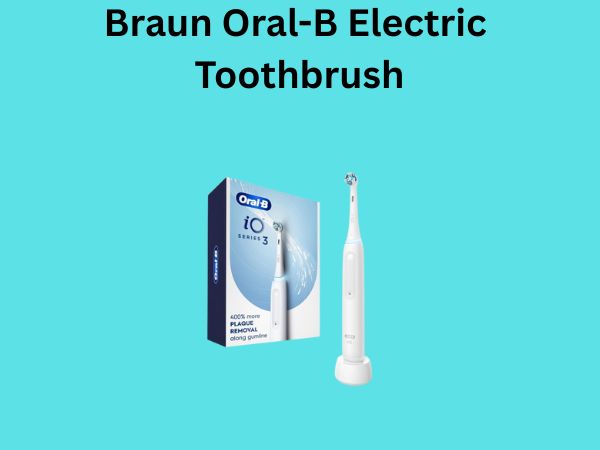
Not all electric toothbrushes work the same way. The most common type uses oscillating-rotating technology, where the brush head vibrates back and forth rapidly. Brands like Oral-B dominate this category. When Cochrane reviewed the evidence, oscillating-rotating brushes showed the most consistent advantage over manual brushes for plaque reduction. The research suggests these make up about sixteen percent better performance, as I mentioned earlier.
Why might this be? The rapid movement helps dislodge plaque from tooth surfaces and below the gum line more effectively than manual brushing. The vibration also helps particles flow away from your teeth more easily.
Sonic Toothbrushes
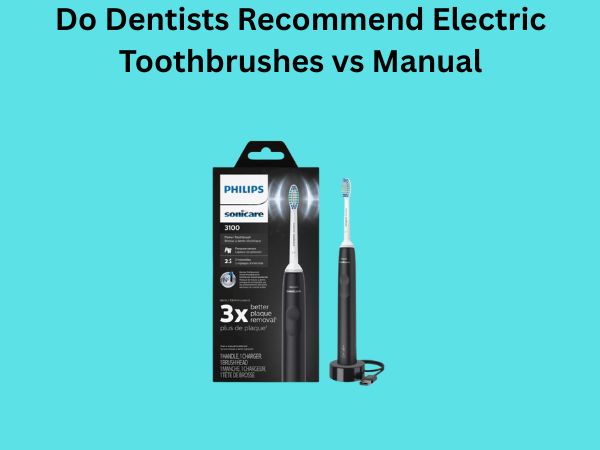
Sonic toothbrushes work differently. They vibrate at extremely high frequencies, sometimes up to thirty-one thousand vibrations per minute. Brands like Sonicare use this technology. The Cochrane Review examined the evidence on sonic brushes as well. Interestingly, the evidence for sonic toothbrushes is less consistent than for oscillating-rotating brushes. Some studies showed benefits, but the overall evidence base is thinner, which means we can’t be quite as confident about their superiority over manual brushes.
This doesn’t mean sonic brushes are bad. It means the research hasn’t been as thorough in comparing them directly to manual brushing using standardized measurements.
Ultrasonic Toothbrushes
Then there are ultrasonic toothbrushes, which vibrate at frequencies above the range of human hearing. These are marketed heavily with all kinds of claims about their effectiveness. However, when Cochrane reviewers looked at the evidence, they found that ultrasonic toothbrushes didn’t show a clear advantage over manual brushing for plaque reduction. In fact, some showed no significant difference at all. This is one area where marketing might have gotten ahead of the science.
The Manual Toothbrush Isn’t Actually Bad
Effectiveness When Used Properly
Here’s something important that often gets lost in the excitement about electric toothbrushes. A manual toothbrush, when used correctly, actually does a pretty good job of removing plaque. The Cochrane Review doesn’t suggest that manual brushes are ineffective. They’re just not quite as effective as electric ones, on average.
The key words here are “when used properly.” Most people don’t brush correctly with a manual toothbrush. We tend to scrub too hard, use the wrong angle, and rush through the process. If you’re meticulous about your manual brushing technique, using gentle circular motions and spending two full minutes on all surfaces of your teeth, you can get pretty close to the results you’d get with an electric brush.
Cost and Accessibility
Let’s be real. Electric toothbrushes cost significantly more than manual ones. A decent electric toothbrush might cost thirty to two hundred dollars, while a manual brush is typically one to five dollars. For many people, that’s a meaningful difference. If someone can only afford a manual toothbrush, using it consistently is infinitely better than not brushing at all. The best toothbrush is the one you’ll actually use regularly.
This is why dental professionals often recommend that if cost is a barrier, stick with a manual brush and focus on good technique rather than stretching your budget for an electric one.
Study Quality and Research Limitations
How Many Studies Did They Review?
The Cochrane Review on this topic analyzed multiple randomized controlled trials. These are considered the gold standard in research because they minimize bias. Researchers randomly assign people to either use an electric toothbrush or a manual one, then measure results over time. This approach eliminates a lot of confounding variables.
However, it’s worth noting that the number of high-quality studies directly comparing electric and manual toothbrushes for plaque reduction is actually somewhat limited. This means there’s room for more research to refine our understanding.
Study Duration and Real-World Application
Many of the studies reviewed were relatively short in duration, sometimes only a few weeks or months. We don’t have as much long-term data about whether people maintain better oral health with electric toothbrushes over years or decades. It’s easier to do the right thing for a few weeks when you’re in a study than to maintain habits for a lifetime.
This is a genuine limitation of the research. We know electric toothbrushes work better in controlled settings, but whether this translates to better long-term outcomes in real life remains somewhat unclear.
Participant Characteristics and Bias
Another consideration is who participates in these studies. Often, study participants are more motivated than the general population. They’ve volunteered to be part of research and they’re paying attention to their oral hygiene in a way the average person might not. So while the research is solid, it might not perfectly predict what would happen if everyone switched to electric toothbrushes.
Who Benefits Most From Electric Toothbrushes?
People With Limited Dexterity
One group that clearly benefits from electric toothbrushes is people with limited manual dexterity. If you have arthritis, Parkinson’s disease, or other conditions that affect fine motor control, an electric toothbrush is genuinely helpful. You don’t have to make the brushing motion yourself. The brush does the work for you. This isn’t a subtle advantage. It’s life-changing for some people.
Those Prone to Aggressive Brushing
Some people naturally brush too hard, which can actually damage gum tissue and cause gum recession over time. Electric toothbrushes often have built-in pressure sensors that alert you if you’re brushing too vigorously. This automatic feedback can help retrain your brushing habits over time.
People With Gum Disease
If you already have gum disease or are at high risk for it, the evidence suggests electric toothbrushes might be worth the investment. The additional plaque removal and reduction in gingival bleeding could help you manage or prevent progression of the disease.
Cost-Benefit Analysis: Is It Worth It?
Initial Investment Versus Long-Term Savings
An electric toothbrush might cost a hundred dollars upfront, while you’ll spend maybe fifty dollars over the same period on manual brushes. However, if the electric toothbrush helps you avoid even one cavity or one deep cleaning procedure, you’ve already saved money when you consider that a filling costs one hundred to three hundred dollars and a deep cleaning can cost several hundred more.
Plus, you need to factor in the cost of replacement brush heads for electric toothbrushes, which typically run ten to thirty dollars and need replacing every three to four months.
Replacement and Maintenance Costs
Electric toothbrushes eventually break. Batteries degrade. The charging dock might stop working. A manual toothbrush never has these problems. You buy it, you use it, you throw it away when the bristles are worn. For some people, the simplicity and reliability of a manual brush outweighs the incremental effectiveness benefit of an electric one.
What Doesn’t Change Between Electric and Manual Brushes
The Importance of Brushing Frequency and Duration
Whether you use an electric or manual toothbrush, you still need to brush twice daily for at least two minutes each time. No toothbrush, electric or otherwise, will make up for brushing once a day or for only thirty seconds. The Cochrane Review didn’t find that electric toothbrushes somehow need less time or frequency to be effective. They’re just slightly more efficient at what they do.
Flossing and Overall Oral Hygiene
Here’s something that’s easy to overlook. No toothbrush, electric or manual, removes plaque from between your teeth where flossing is needed. The evidence for electric toothbrushes is specifically about plaque reduction on tooth surfaces and the gum line. It doesn’t replace flossing, water flossers, or interdental brushes. A comprehensive approach to oral hygiene still requires multiple tools.
Environmental and Sustainability Considerations
Waste and Disposability
Electric toothbrushes generate electronic waste. The batteries and electronic components can’t just go in a regular trash bin. Some electric toothbrush manufacturers have take-back programs, but not all. Manual toothbrushes, while still producing waste, are simpler and more readily recyclable. This is a consideration if you care about environmental impact.
Energy Consumption
Electric toothbrushes require electricity to charge. If you’re using renewable energy sources, this is minimal. But if your electricity comes from fossil fuel sources, electric toothbrushes do have a carbon footprint that manual brushes don’t share.
Expert Recommendations Based on the Evidence
What Dentists Actually Say
Most dental organizations, including the American Dental Association, acknowledge that electric toothbrushes are effective for plaque removal and recommend them as an option. However, they don’t mandate them. They typically state that either electric or manual toothbrushes can be effective for most people if used correctly.
This measured approach reflects the actual evidence. Electric toothbrushes are better, but the difference is meaningful but not revolutionary.
Individualized Recommendations
Rather than saying everyone should switch to electric toothbrushes, most dental professionals recommend considering your individual circumstances. Your age, your manual dexterity, your gum health, your budget, your motivation level, and your personal preferences all matter.
Making Your Decision
Questions to Ask Yourself
Before investing in an electric toothbrush, think through these questions. Can you afford the initial cost and ongoing replacement brush head costs? Do you have any physical limitations that would make an electric toothbrush genuinely helpful? Are you having problems with your current oral health that suggest you need better plaque removal? Are you someone who likes gadgets and will actually use an electric toothbrush consistently?
If you answer yes to most of these, an electric toothbrush might be right for you. If you answer no, your manual brush is just fine as long as you’re using good technique.
Trial Period and Personal Experience
If you’re on the fence, many people recommend trying an electric toothbrush before committing. Some drugstores let you return electric toothbrushes if you’re not satisfied. Some dental offices have samples or demos. Your personal experience matters. Some people love electric toothbrushes and use them more effectively than they ever used a manual brush. Others find them uncomfortable or annoying.
Conclusion
The Cochrane Review evidence is clear: electric toothbrushes, particularly oscillating-rotating models, do remove plaque more effectively than manual toothbrushes and do reduce gingival bleeding more effectively. This is based on rigorous scientific review of