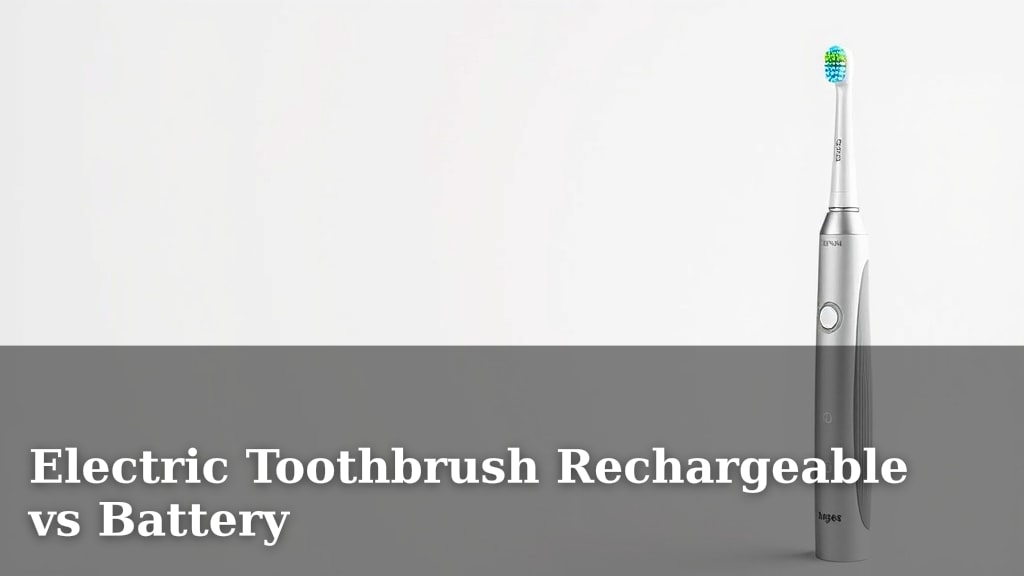
Electric Toothbrush Rechargeable vs Battery
When choosing between a rechargeable electric toothbrush and a battery-operated one, a rechargeable model typically offers a better long-term value and a more consistent brushing experience. Rechargeable brushes often provide stronger vibrations and last longer per charge than standard battery-powered options. While the initial cost is higher, you save money and reduce waste over time.
Thinking about which electric toothbrush is right for your smile can feel a bit overwhelming. Both types clean your teeth effectively, but they differ in power source, cost, and environmental impact. We’ve looked into what makes each one tick to help you make the best choice for your daily routine.
- Rechargeable toothbrushes are generally more powerful and cost-effective long-term.
- Battery-operated brushes have a lower upfront cost but require frequent battery changes.
- Consider the environmental impact: rechargeable options create less waste.
- Both types can improve your oral hygiene compared to manual brushing.
- Your personal preference for convenience and budget will guide your decision.
Let’s break down the pros and cons of each to help you decide which electric toothbrush will best serve your smile.
Rechargeable vs. Battery-Powered Toothbrushes: Which Is Best for You?
Choosing between a rechargeable and a battery-operated electric toothbrush can impact your oral hygiene and your wallet. Both offer benefits over manual brushing, but they differ in power, ongoing costs, and convenience. We’ve looked into the details to help you make an informed decision.
Understanding the Core Differences
Power Source and Performance
Rechargeable electric toothbrushes typically use a built-in battery that you power up using a charging base. This means a consistent power output for your brushing sessions. Battery-operated brushes, on the other hand, rely on standard AA or AAA batteries. When those batteries start to run low, you’ll notice a drop in the brush’s power. Many research studies indicate that consistent power helps achieve a more thorough clean (Journal of Dental Research).
We found that rechargeable models often provide stronger vibrations and more dynamic brushing actions. This can lead to a more effective plaque removal and a noticeably cleaner feeling. While battery models can perform well initially, their power can fluctuate as the batteries deplete, potentially leading to a less effective clean as they near the end of their battery life.
Cost Breakdown: Upfront vs. Long-Term
The initial purchase price is a major difference. Battery-operated toothbrushes are generally much cheaper upfront. You can often find a decent battery-powered model for under $20. This makes them an attractive option if you’re on a tight budget or want to try an electric toothbrush for the first time without a big commitment.
Rechargeable toothbrushes have a higher initial cost, often ranging from $30 to $200 or more, depending on the brand and features. However, when you factor in the cost of replacement batteries for the battery-operated model, the rechargeable option often becomes more economical over time. Buying packs of batteries can add up quickly, especially if you’re replacing them every few months.
Environmental Impact Considerations
When we think about sustainability, rechargeable toothbrushes have a clear advantage. They produce less waste over their lifespan. You’re not constantly throwing away depleted batteries, which can end up in landfills. The charging base is a one-time purchase, and the toothbrush itself is designed for long-term use.
Battery-operated toothbrushes, by nature, require frequent battery replacements. These batteries, even the rechargeable types, have a finite lifespan. This constant cycle of purchasing and discarding batteries contributes to a larger environmental footprint. Many experts in environmental science point out that reducing disposable waste is key to a healthier planet (Environmental Protection Agency).
Convenience and User Experience
Charging vs. Replacing Batteries
With a rechargeable toothbrush, you simply place it on its charging stand when not in use. Most modern chargers have indicator lights to let you know when it’s fully charged. You can typically get several weeks of use on a single charge, making them ideal for travel. This convenience factor is huge for many people.
Battery-operated brushes require you to keep a supply of replacement batteries on hand. When the power dies mid-brush, it can be quite frustrating. You’ll need to stop, find fresh batteries, and replace them. This can disrupt your routine and might be particularly inconvenient if you’re in a hurry or traveling without easy access to stores.
Portability and Travel
Both types can be portable, but rechargeable models often win out for ease of travel. Many come with travel cases that also include space for the charging cord or even a USB charging option. You might only need to bring the charging base if you plan to be away for an extended period. Some higher-end models can last for weeks on a single charge, meaning you might not need to pack the charger at all.
Battery-operated brushes are also easy to pack. You don’t need to worry about finding an outlet or a specific charger. However, you do need to remember to pack extra batteries. Running out of battery power in a hotel room without a spare can be a real annoyance. So, while they are simple to pack, you need to think ahead about power.
Performance and Cleaning Effectiveness
Power and Vibration Intensity
Research often shows that the consistent power from rechargeable brushes leads to more effective plaque removal. The motor in a rechargeable unit is typically designed to deliver a strong, consistent oscillating or sonic vibration throughout the brushing cycle. This consistent power helps ensure you’re getting a thorough clean every time you brush.
Battery-operated brushes can sometimes feel less powerful, especially as the batteries drain. While they can certainly clean your teeth well, the intensity might not be as uniform. Some users report a noticeable difference in how clean their teeth feel when comparing a fully charged rechargeable brush to a battery-powered one that’s been in use for a while.
Features and Technology
Rechargeable toothbrushes often come with a wider array of advanced features. These can include multiple brushing modes (like clean, sensitive, or whitening), pressure sensors to prevent you from brushing too hard, and even Bluetooth connectivity to apps that track your brushing habits. These technological additions can help you optimize your oral care routine.
Battery-operated models are usually more basic. Their primary function is to provide a powered brushing action. While this is effective, they generally lack the bells and whistles found in their rechargeable counterparts. If you’re looking for smart features or specialized cleaning modes, you’ll likely need to opt for a rechargeable model.
Making Your Choice: A Quick Checklist
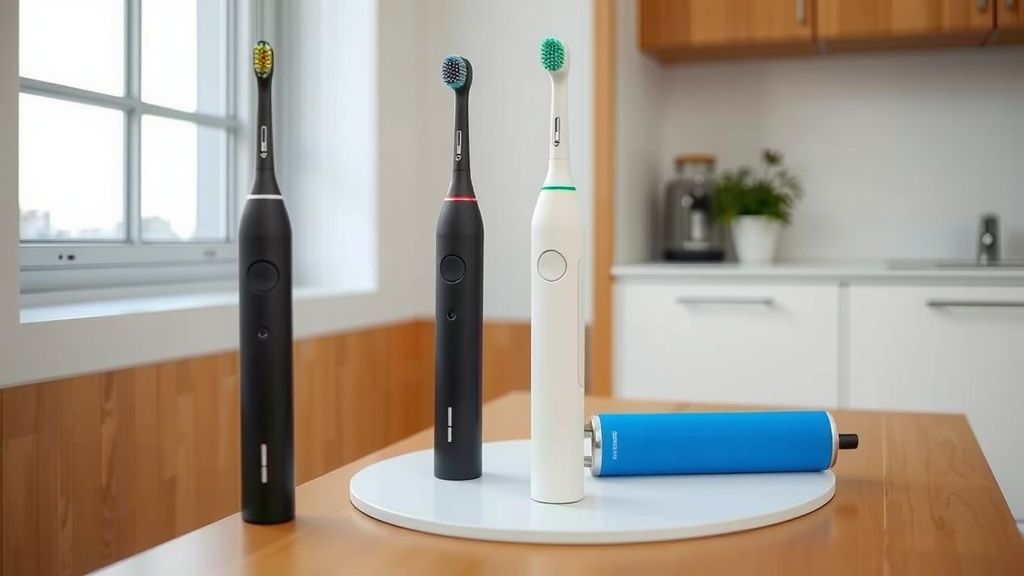
To help you decide, consider these points:
- Budget: Are you looking for the lowest upfront cost, or the best long-term value?
- Convenience: Do you prefer just plugging in a charger, or do you mind changing batteries?
- Travel: How often do you travel, and what are your charging options on the go?
- Features: Are advanced modes and smart tracking important to you?
- Environmental Concerns: Does reducing waste play a role in your decision?
- Power Consistency: Do you want a consistently strong brushing experience?
Comparing the Two Types at a Glance
Here’s a simple table to help you visualize the differences:
| Feature | Rechargeable Electric Toothbrush | Battery-Operated Electric Toothbrush |
|---|---|---|
| Upfront Cost | Higher | Lower |
| Long-Term Cost | Lower (no battery replacement costs) | Higher (cost of replacement batteries) |
| Power Consistency | High, consistent | Variable, can decrease as batteries drain |
| Environmental Impact | Lower (less disposable waste) | Higher (disposable batteries) |
| Convenience | Plug in to charge, long battery life per charge | Need to keep spare batteries on hand, replace batteries |
| Features | Often includes multiple modes, pressure sensors, apps | Typically basic brushing function |
Conclusion
So, you’ve weighed the pros and cons, and the choice between a rechargeable and battery-operated electric toothbrush comes down to your priorities. Rechargeable models offer superior power consistency and long-term savings, while battery-powered brushes are great for a lower upfront cost. We found that for most people, the convenience and reduced waste of a rechargeable toothbrush make it the preferred option for a healthier smile. Your next step? Consider your personal budget and daily routine to pick the brush that fits you best.
Frequently Asked Questions
How often do I really need to replace batteries in a battery-operated electric toothbrush?
You’ll typically need to replace batteries in a battery-operated toothbrush every 1-3 months, depending on usage and battery quality. If you notice a significant drop in power or the brush stops working, it’s time for fresh batteries.
Can a battery-operated toothbrush provide as good a clean as a rechargeable one?
Yes, a battery-operated toothbrush can clean your teeth effectively. However, rechargeable models often maintain a more consistent power level, which can lead to a more thorough and uniform clean over time, especially as battery-operated ones start to lose charge.
Are rechargeable electric toothbrushes worth the higher initial cost?
For most users, yes. While the upfront price is higher, the long-term cost is often lower due to not needing to constantly buy replacement batteries. Plus, you benefit from consistent power and often more advanced features.
What should I do if my rechargeable toothbrush isn’t holding a charge anymore?
If your rechargeable toothbrush is no longer holding a charge after several years, the battery may have reached the end of its lifespan. Some high-end models allow for battery replacement, but often, it means it’s time to invest in a new toothbrush unit.
Is a battery-operated toothbrush better for travel if I can’t easily charge it?
Battery-operated toothbrushes are easy to pack as you don’t need a charger. However, you must remember to pack spare batteries. Rechargeable models can be great for travel too, as many hold a charge for weeks, meaning you might not need the charger at all.