How Long to Charge an Electric Toothbrush?
Most electric toothbrushes need about 12 to 24 hours for a full charge. This ensures you get the longest battery life for your brushing sessions. You generally don’t need to charge them every single day.
Understanding your toothbrush’s charging needs helps you keep it ready for action. Many models offer a quick charge option for a single use. Knowing the specifics for your device means less worry about battery life when you need it most.
TL;DR:
- Full charge: 12-24 hours typical.
- Most don’t need daily charging.
- Check your manual for specifics.
- Quick charge options exist.
- Battery life varies by model.
Let’s get into the details so you can keep your smile sparkling and your toothbrush powered up.
Understanding Your Electric Toothbrush’s Charge Time
So, you’ve got a shiny new electric toothbrush, or maybe you’re just curious about getting the most out of your current one. It’s a common question: how long does it actually take to charge?
The general answer is that most electric toothbrushes need a full charge anywhere from 12 to 24 hours. This might sound like a long time, but it’s usually not something you need to worry about every single day. Think of it like charging your phone; you don’t plug it in every night, do you? Your toothbrush battery is designed to last for many brushing sessions on a single charge.
Why Such Long Charge Times?
You might wonder why it takes so long to get a full charge. It’s mostly about battery health and longevity. These toothbrushes often use rechargeable batteries that benefit from a slower, more complete charging cycle.
Research suggests that charging lithium-ion batteries, common in many modern electric toothbrushes, slowly and fully can help preserve their overall lifespan. It’s like giving your battery a gentle, thorough top-up rather than a quick, stressful boost. This approach helps prevent the battery from degrading too quickly over time. Many experts point out that this charging method ensures the battery reaches its maximum capacity and maintains it for longer periods (IEEE Spectrum).
Initial Charge vs. Regular Charging
It’s important to distinguish between the initial charge when you first get your toothbrush and subsequent charges. For the very first use, manufacturers often recommend a longer charging period. This ensures the battery is completely conditioned and ready for optimal performance.
For example, some brands suggest charging for 24 hours straight the first time you use it. After that initial conditioning, your regular charging schedule might be shorter, or you might only need to charge it when the battery indicator shows it’s low. Always check your specific model’s manual for these first-time instructions.
Factors Affecting Charge Time
While 12-24 hours is a good ballpark figure, several things can influence how long your toothbrush needs to charge.
Battery Type
The type of battery inside your toothbrush plays a big role. Older models might use NiMH (Nickel-Metal Hydride) batteries. These can sometimes take longer to charge fully and may also experience a “memory effect,” where they seem to lose capacity if not fully discharged before recharging. Modern toothbrushes are more likely to use lithium-ion batteries, which generally charge faster and don’t have the memory effect.
Brand and Model Specifics
Every brand and even different models within the same brand can have unique charging requirements. Oral-B, Philips Sonicare, and other popular brands all have their own engineering. What’s true for one might not be true for another. You’ll find variations in battery capacity and charging technology.
Charging Base Design
The charging base itself can affect charge time. Some bases offer a more rapid charging current, while others are designed for a slower, battery-preserving charge. The design of the base ensures it delivers the right amount of power safely.
Understanding Battery Life and Indicator Lights
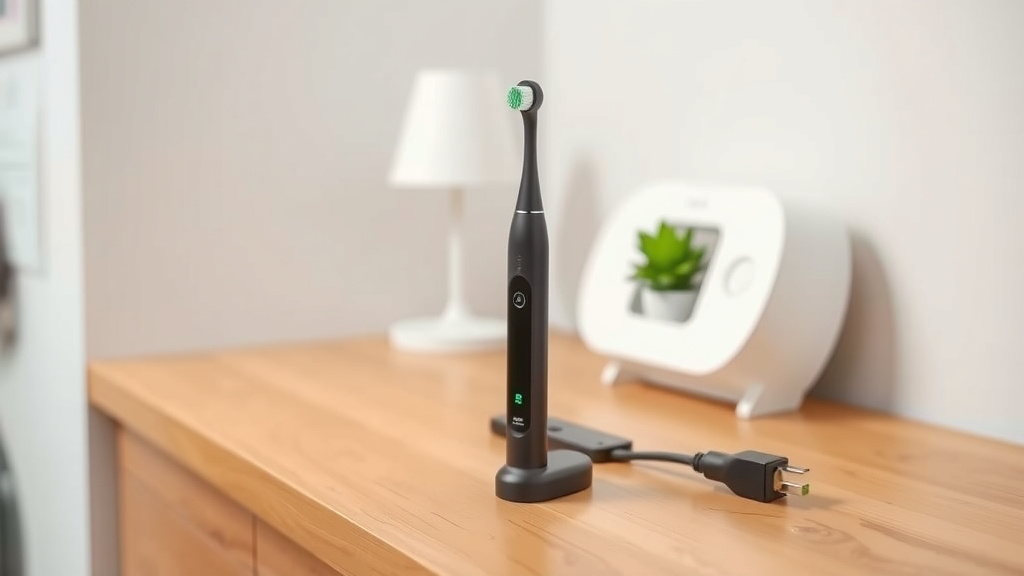
Your toothbrush likely has a way to tell you its battery status. Pay attention to these signals!
Indicator Lights
Most electric toothbrushes have LED indicator lights. A solid green light often means fully charged. A blinking yellow or red light usually signals that the battery is low and needs charging. Some models might have a battery icon that gradually fills up. Learning these indicators is your first step to knowing when to plug in.
How Long Does a Charge Last?
Once fully charged, how long can you expect your toothbrush to last? Typically, a full charge will give you anywhere from one to three weeks of regular use. This depends heavily on the model and how often you brush.
For example, a typical Philips Sonicare toothbrush might offer up to three weeks of brushing on a full charge. Oral-B models often provide around two weeks. This means you can often go on a short trip without needing to pack the charger at all!
The Quick Charge Feature
Many modern electric toothbrushes come with a quick charge feature. This is a lifesaver if you’ve forgotten to charge your toothbrush and need it for a brushing session. A quick charge usually takes about 15-30 minutes and provides enough power for just one or two uses.
So, if you discover your toothbrush is almost out of juice right before you need to brush, don’t panic! Pop it on the charger for a short while, and you’ll likely have enough power for a good clean. It’s not a full charge, but it’s enough to get you by.
| Brand/Model Type | Full Charge Time (Approx.) | Battery Life (Approx.) | Quick Charge |
|---|---|---|---|
| Basic Electric Toothbrush | 16-24 hours | 1-2 weeks | Rarely |
| Mid-Range Electric Toothbrush (e.g., some Philips Sonicare, Oral-B) | 12-24 hours | 2-3 weeks | Yes (15-30 min for 1-2 uses) |
| Premium Electric Toothbrush | 10-18 hours | 3+ weeks | Yes (often faster) |
Tips for Optimal Charging
To keep your electric toothbrush in top shape and ensure you always have a charged brush ready, follow these simple tips:
- Read Your Manual: Seriously, this is the best advice. Your toothbrush manual has the most accurate charging information for your specific device.
- Avoid Frequent Full Discharges: Unless you have an older NiMH battery model, you don’t need to drain the battery completely every time.
- Use the Correct Charger: Always use the charger that came with your toothbrush. Using an incompatible charger can damage the battery or be a safety hazard.
- Keep the Charging Contacts Clean: Ensure the charging contacts on both the toothbrush handle and the base are clean and dry. This helps maintain a good connection.
- Store Properly: If storing your toothbrush for an extended period, check the manual. Many recommend charging it partially before storage.
Conclusion
You now understand that your electric toothbrush typically needs 12 to 24 hours for a full charge, ensuring it’s ready for weeks of use. Remember that this time can vary based on the battery type and specific model you own. Pay attention to your toothbrush’s indicator lights and consult your manual for the most accurate charging guidance.
By following these tips, you’ll maintain optimal battery health and always have a powered-up brush for a sparkling clean smile. Make reading your manual the first step for the best results!
Frequently Asked Questions
How often should I charge my electric toothbrush?
You generally don’t need to charge your electric toothbrush every day. Most models can last between one to three weeks on a single full charge, so you’ll only need to plug it in when the battery indicator shows it’s low or flashing a warning color.
Is it bad to leave my electric toothbrush on the charger all the time?
For most modern electric toothbrushes with lithium-ion batteries, it’s generally okay to leave them on the charging base. Newer models have charge protection to prevent overcharging. However, always check your manual; some older models might benefit from occasional full discharges.
What does a blinking light on my electric toothbrush mean?
A blinking light, often red or yellow, typically indicates that your electric toothbrush’s battery is low and needs to be charged soon. Refer to your toothbrush’s manual to learn the specific color codes and patterns for your model’s battery status.
Can I use any USB charger to charge my electric toothbrush?
It’s best to use only the charger that came with your electric toothbrush. Using an incompatible charger might not provide the correct power, could charge it inefficiently, or potentially damage the battery and pose a safety risk.
Why does my electric toothbrush battery not last as long as it used to?
Over time, all rechargeable batteries degrade. If your electric toothbrush’s battery life has significantly decreased, it might be nearing the end of its lifespan and may need to be replaced. Following proper charging practices can help maximize its longevity.