Electric Toothbrush Not Charging: Common Fixes Explained
Your electric toothbrush isn’t charging? This usually happens because the charging connection is interrupted or the battery has reached the end of its life. Don’t worry, most charging issues with electric toothbrushes are fixable with a few simple troubleshooting steps.
When your toothbrush refuses to power up, it can be frustrating. It might be a problem with the power outlet, the charging base, or even the toothbrush itself. We’ve looked into common reasons why this happens so you can get back to a sparkling clean smile.
- Check your power source.
- Ensure the toothbrush is properly seated on the charger.
- Inspect the charging base and cord for damage.
- Consider the age of your toothbrush battery.
- Clean the charging contacts on both the brush and base.
Let’s walk through the most common reasons your electric toothbrush might not be charging and how to fix them.
“`htmlTroubleshooting Your Electric Toothbrush Charging Woes
It’s a common frustration: you reach for your electric toothbrush, ready for that super clean feeling, only to find it dead. If your electric toothbrush isn’t charging, don’t despair! Many issues stem from simple connection problems or a battery that’s just had its day. We’ve compiled the most frequent culprits and their solutions to get your brush back in action. If your electric toothbrush isn’t charging, understanding the correct charging duration is key.
Checking the Power Source and Connection
Is the Outlet Working?
It sounds basic, but the first thing to check is your power source. Is the outlet you’re using actually working? Try plugging in another device, like a lamp or a phone charger, to confirm the outlet has power. If it doesn’t, you might have a tripped breaker or a fuse issue to address. This is often the simplest fix.
Are You Using the Right Charger?
Electric toothbrushes are picky about their chargers. Make sure you’re using the original charging base or one specifically designed for your toothbrush model. Using an incompatible charger could prevent charging or even damage your toothbrush. Some brands have unique charging bases that won’t work with others.
Seating the Toothbrush Correctly
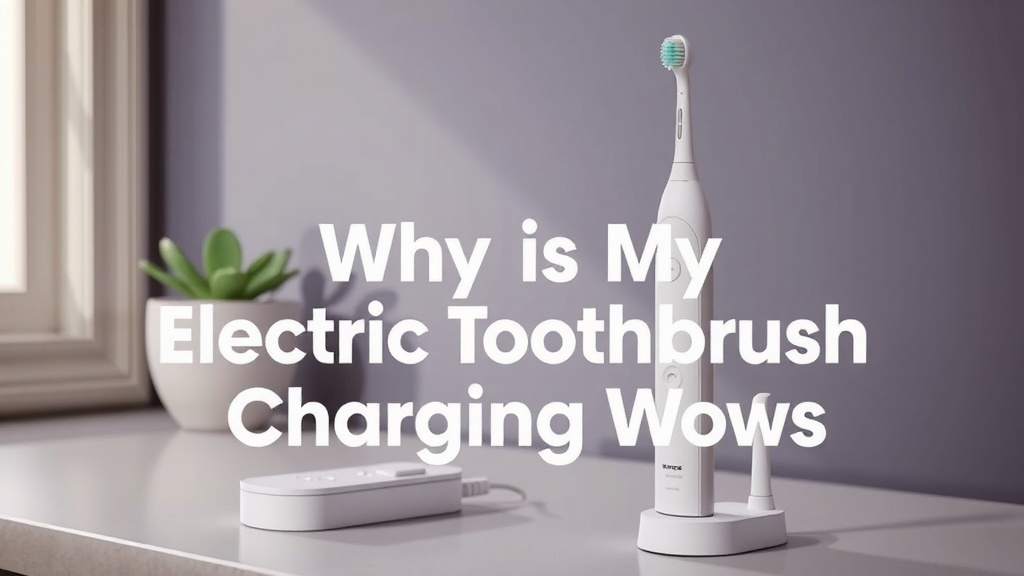
Sometimes, the toothbrush just isn’t making proper contact with the charging base. Ensure the toothbrush is firmly seated. You should feel or hear a slight click, or see an indicator light turn on, signaling it’s charging. Try picking it up and placing it back down a couple of times, ensuring it’s stable. Avoid placing it at an angle; it needs to sit flush.
Inspecting the Charging Equipment
Examining the Charging Base
Take a close look at the charging base itself. Are there any visible signs of damage, cracks, or corrosion? If the base looks worn out or damaged, it might be the reason it’s not transferring power. A damaged base often needs to be replaced entirely.
Checking the Charging Cord and Plug
Inspect the entire length of the charging cord. Look for any fraying, cuts, or kinks, especially near the plug and where it connects to the base. A compromised cord can interrupt the flow of electricity. Also, check the prongs on the plug for bends or debris. If the cord is damaged, it’s a safety hazard and should be replaced.
Addressing Toothbrush and Battery Issues
Cleaning the Charging Contacts
Over time, toothpaste residue and mineral deposits can build up on the charging contacts. This buildup creates a barrier, preventing a good connection. Gently clean the metal contacts on both the bottom of your toothbrush handle and on the charging base. A dry cloth or a cotton swab lightly dampened with rubbing alcohol usually does the trick. Make sure everything is dry before attempting to charge again.
Understanding Battery Lifespan
Electric toothbrush batteries, like those in our phones, don’t last forever. Most rechargeable batteries have a lifespan of around 3 to 5 years of regular use. If your toothbrush is older and has consistently shown diminishing battery life, it might simply be that the battery has reached the end of its operational life. This is a common reason for charging issues in older models (Cleveland Clinic).
Signs Your Battery Might Be Failing
You might notice your toothbrush doesn’t hold a charge for long, even after a full charging cycle. It might also stop working suddenly, even when the battery indicator shows some charge remaining. If these symptoms sound familiar, a failing battery is a strong possibility.
Reseating the Battery (for some models)
Some older or specific models of electric toothbrushes allow for battery replacement, or at least reseating. If you’re comfortable and your model allows it, you might try to carefully remove and reinsert the battery. This can sometimes resolve intermittent connection issues. Always consult your toothbrush’s manual before attempting this, as it could void your warranty or damage the device if done incorrectly.
When to Seek Professional Help or Replace
Consulting Your User Manual
Your toothbrush’s user manual is your best friend here. It often contains a troubleshooting section specific to your model. It might outline specific indicator lights or error codes that can help diagnose the problem. Refer to it for model-specific advice.
Contacting Customer Support
If you’ve tried all the above steps and your toothbrush still won’t charge, it’s time to contact the manufacturer’s customer support. They can offer further troubleshooting steps or advise on repair or replacement options, especially if your toothbrush is still under warranty. Don’t hesitate to reach out; they’re there to help.
Considering Replacement
If your toothbrush is several years old, and especially if the battery life has been poor for a while, replacement might be the most practical solution. The cost of repairs might exceed the price of a new, often more advanced, model. Sometimes, it’s just time for an upgrade!
Here’s a quick checklist to run through:
- Confirm the power outlet works with another device.
- Ensure you’re using the correct, undamaged charger.
- Place the toothbrush firmly on the charging base.
- Clean charging contacts on both brush and base.
- Check for any visible damage to the charger or cord.
- Consider the age of your toothbrush and its battery.
Conclusion
It’s definitely frustrating when your electric toothbrush stops charging, but you’ve likely found the solution by now. We’ve covered the most common issues, from simple connection hiccups to battery fatigue. Remember to always start with the basics: check your power source, ensure a clean connection, and confirm you’re using the right charger. If your toothbrush is older, a failing battery might be the culprit. If troubleshooting doesn’t bring your brush back to life, don’t hesitate to contact customer support or consider an upgrade for a fresh start to your oral hygiene routine.
Frequently Asked Questions
Can I use a different brand’s charging base for my electric toothbrush?
Generally, it’s best to stick with the charging base that came with your specific toothbrush model or one recommended by the manufacturer. Different brands often use unique charging frequencies or voltage outputs. Using an incompatible charger could prevent your toothbrush from charging or even cause damage to its internal components.
How often should I clean my electric toothbrush’s charging contacts?
You should aim to clean the charging contacts on both your toothbrush handle and the charging base at least once a month. If you notice any residue buildup or see a reduction in charging speed, clean them more frequently. Regular cleaning prevents toothpaste gunk and mineral deposits from interfering with the connection.
My toothbrush indicator light isn’t turning on when charging. What does this mean?
An indicator light not turning on is a strong sign of a charging issue. This could mean the toothbrush isn’t seated correctly, the power outlet isn’t working, or there’s a problem with the charging base or cord. Double-check all these connections and ensure the toothbrush is making firm contact with the charger before assuming the worst.
Is it normal for my electric toothbrush battery to stop holding a charge after a few years?
Yes, this is quite normal for most rechargeable batteries. Electric toothbrush batteries typically last between 3 to 5 years with regular use. Over time, their capacity diminishes, meaning they won’t hold a charge as long as they used to, even after a full charging cycle.
Can a loose battery cause my electric toothbrush not to charge?
In some specific models where the battery is accessible, a loose battery connection could indeed prevent charging. If your manual suggests it’s safe to do so, you might try carefully reseating the battery. However, for most modern toothbrushes, the battery is sealed, and a loose connection would likely indicate an internal issue requiring professional attention or replacement.