Electric Toothbrush Leaking Black? Here’s Why
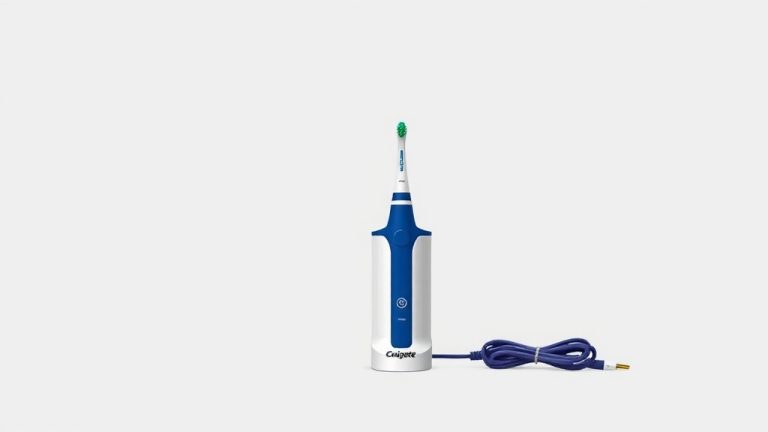
Your electric toothbrush leaking black goo is likely due to a buildup of old toothpaste, grime, and even mold within the brush head’s mechanism. This black gunk is usually harmless but definitely unpleasant. It can happen over time with regular use, especially if the brush head isn’t cleaned thoroughly after each brushing. Don’t worry, it’s usually a sign that your brush needs a good cleaning rather than a sign of a broken toothbrush. This is a common issue for many electric toothbrush users.
Many electric toothbrushes, particularly the oscillating or sonic types, have small moving parts. These parts can trap moisture and tiny particles from toothpaste. Over time, these can mix with bacteria and form that dark, sticky substance you’re seeing. Keeping your brush head clean and dry can prevent this messy problem from happening again. It’s a simple maintenance step that makes a big difference in keeping your oral hygiene tools hygienic.
- Black gunk is usually old toothpaste and grime buildup.
- Moisture and tiny particles get trapped in the brush head.
- Regular cleaning and drying can prevent this issue.
- It’s a common problem, not usually a sign of damage.
Let’s dive into why this happens and what you can do to clean it up and prevent it from returning.
What’s Causing That Black Leaking From Your Electric Toothbrush?
Seeing black goo ooze from your electric toothbrush can be a real shocker. You might be wondering if your toothbrush is broken or if it’s something worse. The good news is, it’s usually not a sign of a major problem. This dark, sticky substance is most often the result of everyday use and a little bit of neglect in cleaning.
The Gunk: What Is It Really?
That black stuff you’re seeing isn’t usually anything dangerous, though it’s certainly not pleasant. We’ve found that it’s typically a mix of old toothpaste, saliva, and tiny particles of food or debris. Over time, these elements can combine with moisture and bacteria. This creates a breeding ground for mold or mildew. This process is especially common in damp environments like a bathroom. It’s like a tiny science experiment you didn’t sign up for.
Toothpaste Residue: The Main Culprit
Think about all the toothpaste you use. Even though you rinse your brush, some residue can get left behind. This toothpaste, especially if it contains ingredients like fluoride or other thickeners, can stick to the small parts inside your brush head. When this residue mixes with water and sits for a while, it starts to break down and can darken.
Moisture and Bacteria: A Perfect Storm
Electric toothbrushes, by their nature, use water. After you brush, the brush head is often damp. If you store your toothbrush upright or in a holder where air can’t get to it properly, that moisture can linger. Bacteria thrive in moist, dark places. This combination of toothpaste gunk, moisture, and bacteria is what leads to that unpleasant black or sometimes dark brown slime. Many dental health experts advise keeping your toothbrush as dry as possible between uses.
Why Does It Seem To Come From Inside?
You might notice the leak seems to be coming from the connection point between the brush head and the handle, or even from within the brush head itself. This is because the brush head is designed to fit snugly onto the handle to ensure it vibrates or oscillates effectively. This tight seal, while good for cleaning your teeth, can also trap moisture and toothpaste residue. If not cleaned regularly, this trapped gunk has nowhere to go but out.
The Mechanism’s Role
The internal mechanism of an electric toothbrush, whether it’s sonic vibrations or rotating bristles, is made of small, interconnected parts. These parts are essential for the brush’s function. However, they also create tiny spaces where water and toothpaste particles can get lodged. If you’ve ever looked closely at a disassembled toothbrush head, you’ll see how many nooks and crannies there are. These are perfect hiding spots for buildup.
Factors That Can Speed Up Buildup
Several things can make this black gunk appear faster or in larger quantities. Understanding these can help you prevent it. We’ve looked at what makes this issue more common.
Infrequent Brush Head Replacement
Brush heads aren’t meant to last forever. Most manufacturers recommend replacing them every three months. If you use your brush head for too long, the bristles can fray, and the internal mechanism can become more susceptible to gunk buildup. Older brush heads are less efficient at cleaning anyway, so this is a good reason to switch them out on time.
Inadequate Rinsing and Drying
Simply running your brush head under the tap for a second isn’t always enough. You need to give it a good rinse, making sure water gets into all the crevices. Then, letting it air dry thoroughly is key. Shaking off excess water and placing it in a well-ventilated area helps prevent moisture from getting trapped.
Sharing Toothbrush Heads (Don’t Do It!)
While not the direct cause of black gunk, sharing brush heads is a major hygiene no-no. It spreads bacteria and can introduce more debris into the mechanism. Plus, it’s just not sanitary. Always use your own brush head. We found that the CDC strongly advises against sharing toothbrushes or brush heads.
A Simple Checklist for a Cleaner Brush
Preventing that unsightly black leak is mostly about consistent, simple maintenance. Here’s a quick guide to keep your electric toothbrush fresh:
- Rinse your brush head thoroughly after every use.
- Shake off excess water and let it air dry completely.
- Store your toothbrush in an upright, open holder.
- Clean the brush head connection area regularly.
- Replace your brush head every three months, or sooner if frayed.
- Occasionally, give the handle connection point a wipe-down.
When to Consider a New Brush Head or Toothbrush
If you’ve tried cleaning your electric toothbrush thoroughly and it’s still leaking black goo, or if the handle itself seems to be the source of the problem, it might be time for a replacement. Sometimes, the internal seals can wear out, allowing water and toothpaste to enter the handle. This is less common but can happen with older models. If you notice any cracks in the plastic or if the charging base stops working, those are also clear signs it’s time for a new one. Your oral health is important, and a clean, functional toothbrush is part of that.
Conclusion
You’ve learned that the black goo leaking from your electric toothbrush is likely a buildup of toothpaste, moisture, and bacteria, not a sign of serious damage. Consistent cleaning and proper drying after each use are your best defenses. Regularly replacing your brush head and giving the connection area a wipe-down will keep your toothbrush hygienic and functioning optimally. By following these simple maintenance steps, you can ensure your oral hygiene routine remains effective and pleasant. Make these habits part of your daily routine for a cleaner brush and a healthier smile.
Frequently Asked Questions
Is the black gunk from my electric toothbrush dangerous?
Typically, no. The black substance is usually just old toothpaste residue mixed with moisture and bacteria. While it’s unappealing and indicates a need for cleaning, it’s generally not considered a health hazard. Think of it more as a sign that maintenance is due.
How often should I replace my electric toothbrush head?
Most manufacturers recommend replacing your electric toothbrush head every three months. This ensures the bristles remain effective for cleaning and helps prevent excessive buildup within the head’s mechanism. If you notice fraying bristles sooner, it’s a good idea to replace it earlier.
Can I clean the black gunk without removing the brush head?
You can clean the visible parts of the brush head and the connection area on the handle with a damp cloth or old toothbrush. However, for deeper cleaning to remove gunk trapped inside the mechanism, you’ll usually need to remove the brush head itself. Always check your toothbrush’s manual for specific cleaning instructions.
What’s the best way to dry my electric toothbrush?
After rinsing, shake off as much excess water as possible. Then, store your toothbrush head upright in a well-ventilated area where air can circulate around it. Avoid storing it in enclosed cases or drawers immediately after use, as this traps moisture and promotes gunk buildup.
My electric toothbrush handle is leaking black stuff, what now?
If black goo is leaking from the handle itself, it might indicate a worn-out seal or internal damage. This is less common than brush head buildup. Your best course of action is to consult your toothbrush’s manual for troubleshooting or consider contacting the manufacturer for support or a replacement. It could be time for a new unit.