How Electric Toothbrushes Recharge: A Simple Guide
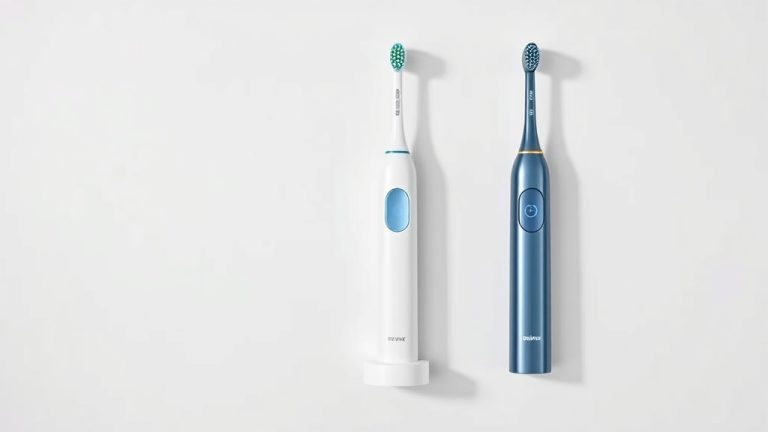
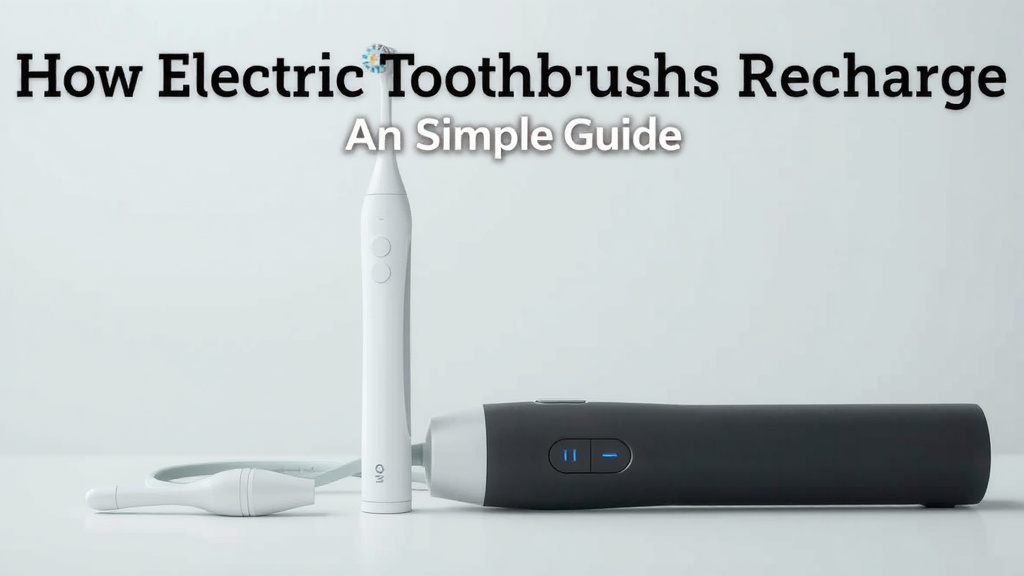
An electric toothbrush recharges wirelessly using an inductive charging base. You simply place your toothbrush handle onto the charging stand, and it starts drawing power through an electromagnetic field. This convenient method means no fiddly wires or ports to worry about getting wet, making it a hassle-free way to keep your toothbrush ready for action.
This inductive charging technology is the same principle behind many wireless phone chargers. It’s designed for safety and ease of use in bathroom environments. Most electric toothbrushes will show a light indicator when they are charging, so you can easily tell they are getting powered up. It’s a surprisingly simple yet effective system.
- Electric toothbrushes recharge wirelessly on a base.
- This uses inductive charging, similar to wireless phone chargers.
- No direct electrical contact is needed.
- It’s a safe and convenient charging method.
- A light usually shows when it’s charging.
Ready to dive deeper? Below, we’ll break down exactly how this clever charging system works and what you need to know to keep your toothbrush powered up.
Understanding How Your Electric Toothbrush Gets Its Power
So, you’ve got your shiny new electric toothbrush, and you’re wondering how it magically recharges. It’s not witchcraft, though it feels pretty close sometimes! The process is actually quite clever and relies on a principle called inductive charging. Think of it like a secret handshake between your toothbrush and its charging base, using invisible energy waves.
This method makes life easier because you don’t have to plug anything directly into the toothbrush itself. No small holes to get gum paste in, and no worries about dropping it in the sink and causing a spark. It’s all about making your daily routine smoother and **safer**.
The Magic Behind Wireless Charging: Inductive Power Transfer
At its heart, your electric toothbrush uses a technology that’s becoming super common in our lives. You might even have a wireless charger for your phone! This technology is called inductive power transfer. It’s a way to send electricity wirelessly from one object to another through a magnetic field.
How the Electromagnetic Field Works
Let’s break down the science a little, but don’t worry, we’ll keep it simple. Inside the charging base, there’s a coil of wire. When you plug the base into the wall, electricity flows through this coil, creating a changing magnetic field. This field is invisible, but it’s like a tiny energy highway.
Your electric toothbrush also has a similar coil inside its handle. When you place the toothbrush onto the charging base, its coil enters the magnetic field created by the base. This is where the magic happens! The changing magnetic field from the base induces an electrical current in the toothbrush’s coil. This new current is then used to recharge the battery inside your toothbrush.
No Direct Connection Needed
The beauty of this system is that the two coils don’t have to touch. There’s a small gap, but the magnetic field is strong enough to pass through. This is why you can have a sealed, waterproof toothbrush handle. No ports means fewer places for water and toothpaste to get in and cause problems. It’s a fantastic design for a bathroom item.
Many experts highlight this as a key advantage for hygiene and durability. It allows manufacturers to create toothbrush designs that are easier to clean and last longer. You just set it down, and it starts working its charging magic.
What Happens When You Place Your Toothbrush on the Charger?
When you place your electric toothbrush handle onto its charging stand, a few things happen almost instantly. First, the toothbrush handle is positioned correctly to align its internal coil with the base’s coil. Good alignment is key for efficient charging.
The Role of the Charging Base
The charging base is essentially the power source. It has a built-in transformer and circuitry to manage the power flow. When plugged in, it’s constantly ready to transmit energy. It converts the household electricity into the right kind of power for the magnetic field. The base is designed to be safe, so you don’t have to worry about electric shocks.
The Toothbrush’s Internal Battery
Inside your toothbrush handle is a rechargeable battery, usually made of lithium-ion. When the induced electrical current reaches this battery, it starts the charging process. The battery converts the incoming electrical energy into stored chemical energy, ready for your next brushing session. Most batteries will indicate when they are nearly full or fully charged.
Visual Cues: Lights and Indicators
How do you know it’s actually charging? Most electric toothbrushes have a small LED light on the handle or base that gives you a visual clue. This light might blink while charging and turn solid when the battery is full. Some models might have a battery icon that fills up. It’s a helpful way to confirm that everything is working as it should.
We found that these indicators are quite useful. They remove the guesswork and let you know at a glance if your toothbrush is ready to go. It’s a small detail that really adds to the user-friendly experience.
How Long Does It Take to Charge and How Long Does It Last?
Charging times can vary depending on the model of your toothbrush. Some can get a full charge in as little as 12 hours, while others might take up to 24 hours. It’s always a good idea to check your toothbrush’s manual for the specifics.
Once fully charged, the battery life is usually quite impressive. Many modern electric toothbrushes can last for two weeks or even longer on a single charge! This makes them perfect for travel, as you often don’t need to pack the charger at all. You get about two minutes of brushing twice a day, and the battery is designed to handle that easily.
Tips for Maintaining Your Electric Toothbrush’s Charger and Battery
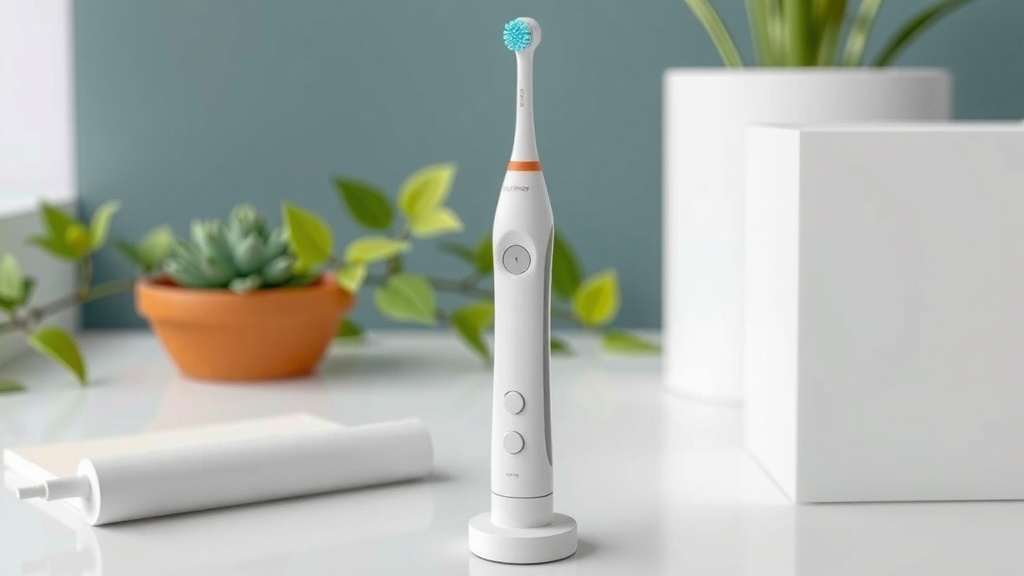
To keep your electric toothbrush working its best, a little care goes a long way. Here are a few simple tips we’ve gathered:
- Keep the charging base clean and dry. Wipe it down with a damp cloth occasionally.
- Avoid submerging the charging base in water. It’s designed for dry environments.
- Store your toothbrush properly. Make sure it’s seated correctly on the charger for optimal contact.
- Don’t overcharge regularly. Most modern batteries don’t suffer from “memory effect,” but it’s generally good practice to let the battery drain a bit before recharging if possible.
- Read your manual. Each model might have specific care instructions worth following.
Troubleshooting Common Charging Issues
Sometimes, things just don’t work right. If your toothbrush isn’t charging, don’t panic! Here are a few common culprits:
Is the Charger Plugged In?
It sounds obvious, but sometimes the simplest things are overlooked. Double-check that the charging base is securely plugged into the wall outlet. Make sure the outlet itself is working by testing it with another device.
Is the Toothbrush Positioned Correctly?
The alignment between the toothbrush and the charging base is important for the magnetic field to transfer power effectively. Try lifting the toothbrush off the base and placing it back down, ensuring it sits flat and stable. You should hear or see an indicator light confirming it’s charging.
Are There Any Obstructions?
A small piece of toothpaste residue or debris could potentially interfere with the charging process. Gently wipe down both the bottom of the toothbrush handle and the charging surface with a dry or slightly damp cloth.
Is the Charging Base Damaged?
Inspect the charging base for any visible signs of damage, like cracks or frayed cords. If the base itself seems faulty, you might need to contact the manufacturer for a replacement. Many brands offer a warranty on their products.
If you’ve tried these steps and your toothbrush still isn’t charging, it might be time to consult your owner’s manual or reach out to customer support. They can offer specific advice for your model.
| Toothbrush Type | Typical Full Charge Time | Typical Battery Life (after full charge) |
|---|---|---|
| Basic Electric Toothbrush | 16-24 hours | 1-2 weeks |
| Sonic Toothbrush | 12-24 hours | 2-3 weeks |
| High-End Electric Toothbrush | 12-18 hours | 3-4 weeks |
Note: These are general estimates. Always refer to your specific product manual for accurate information.
A Quick Checklist for Keeping Your Toothbrush Charged
Here’s a simple checklist to ensure your electric toothbrush is always ready for duty:
- Confirm the charging base is plugged in.
- Place the toothbrush handle securely on the base.
- Check for a charging indicator light.
- Keep the charging area clean.
- Refer to your manual for specific charging times.
- Be patient; full charges can take several hours.
Conclusion
You now understand how your electric toothbrush powers up wirelessly using inductive charging. It’s a clever system of magnetic fields and coils that keeps your toothbrush ready without any fuss. Remembering to place it on the base regularly ensures you always have a charged toothbrush for your oral care routine. Keep your charging base clean and your toothbrush aligned properly for optimal performance. Now you can feel confident knowing exactly how this essential gadget stays powered!
Frequently Asked Questions
How often should I charge my electric toothbrush?
Most modern electric toothbrushes have batteries that last for weeks on a single charge. We recommend placing it on the charger after a few uses or when the battery indicator light shows it’s getting low. This ensures you’re never caught with a dead toothbrush mid-brush.
Can I leave my electric toothbrush on the charger all the time?
Generally, yes. Modern electric toothbrushes and their batteries are designed to handle being left on the charger. The charging base has circuitry to prevent overcharging, so it’s safe for convenience.
What if my electric toothbrush stops charging?
First, check that the charging base is plugged in and the toothbrush is positioned correctly. Obstructions like toothpaste residue can also interfere, so try cleaning both the toothbrush base and the charging surface. If it still doesn’t charge, your charger or toothbrush might need replacing.
Does the charging base use a lot of electricity?
No, electric toothbrush chargers are designed to be very energy-efficient. They only draw power when the toothbrush is present and charging. The amount of electricity used is minimal, especially compared to other household appliances.
Why do electric toothbrushes use wireless charging instead of a direct plug?
Wireless charging is used for safety and convenience in the bathroom environment. It eliminates the need for exposed ports on the toothbrush handle, making them waterproof and easier to clean. This design prevents water and toothpaste from getting into electrical components.