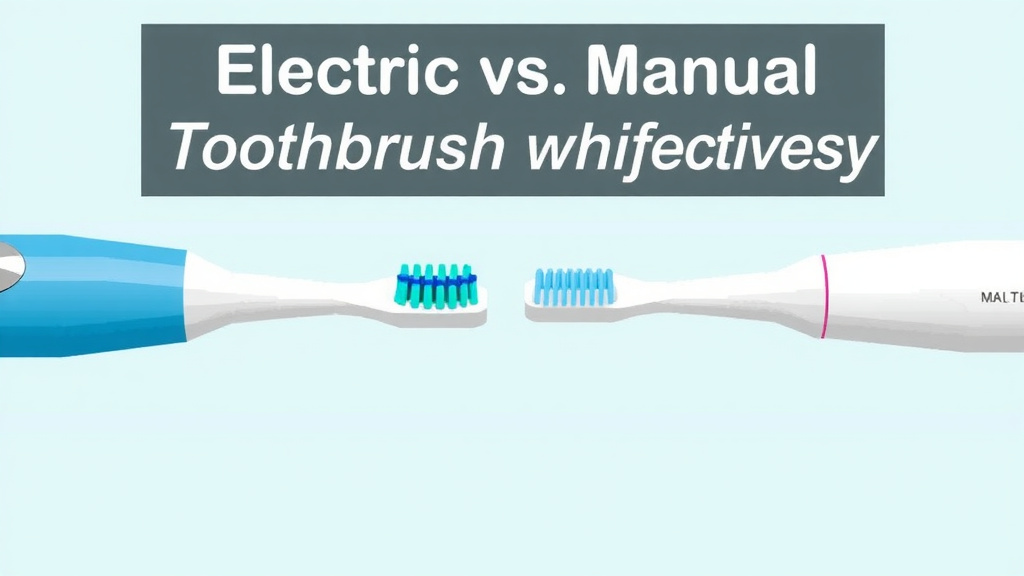
Electric vs Manual Toothbrush Whitening Effectiveness
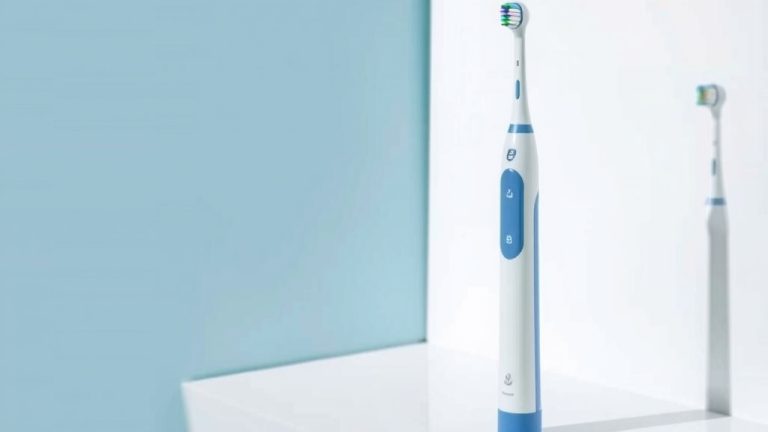
When it comes to teeth whitening, both electric and manual toothbrushes can help, but electric models generally offer a more effective and consistent clean. While a manual brush relies on your own technique, an electric toothbrush uses powered vibrations or rotations to remove more surface stains. For noticeable whitening results, many find the powered action of an electric toothbrush makes a bigger difference.
You might be wondering if the extra cost of an electric toothbrush is worth it for whiter teeth. We found that while good brushing with any toothbrush is key, the oscillating or sonic movements of electric brushes are designed to be more efficient at buffing away discoloration. This can lead to a brighter smile over time, especially when combined with whitening toothpaste or treatments. They also often have built-in timers to ensure you brush for the dentist-recommended two minutes.
- Electric toothbrushes often remove more surface stains than manual ones.
- Consistent brushing technique matters for both types.
- Electric brushes can offer more efficiency in stain removal.
- Consider your personal preference and budget.
Let’s dive into the details of how each type of toothbrush tackles teeth whitening and what you can expect.
Electric vs. Manual Toothbrushes for a Whiter Smile
When you’re aiming for a brighter smile, you might wonder if your toothbrush choice makes a big difference in whitening. We’ve looked into it, and the answer is yes! While both types of toothbrushes can help remove surface stains, electric toothbrushes often have an edge. They use powered movements that can be more effective at polishing away discoloration, leading to noticeably whiter teeth over time.
Think of it like cleaning a stubborn stain. You could scrub with a washcloth (your manual toothbrush), and it might work with enough effort and the right soap. Or, you could use a powered scrubber (your electric toothbrush) that does a lot of the hard work for you, often with less effort on your part. Many people find this powered action makes a real difference in achieving a brighter smile.
How Manual Toothbrushes Tackle Stains
Your trusty manual toothbrush has been around forever, and it can certainly help keep your teeth clean and free of surface stains. The key to using a manual brush for whitening is your technique. You’re the one providing all the power and motion.
The Role of Technique with Manual Brushes
With a manual brush, you need to ensure you’re using the correct brushing motions. Dentists often recommend a gentle, circular motion or a back-and-forth stroke at a 45-degree angle to the gum line. This helps to effectively sweep away plaque and food particles that can lead to stains. If your technique isn’t quite right, you might miss spots or not scrub hard enough to remove stubborn discoloration.
Limitations of Manual Brushing for Whitening
The biggest limitation of a manual toothbrush for whitening is consistency. It’s easy to get tired or simply not brush long enough. Many people don’t brush for the full two minutes recommended by dental professionals (CDC). Without that consistent, thorough scrubbing, surface stains can build up more easily. You might also find yourself scrubbing too hard, which can damage enamel over time and make teeth appear less bright.
The Power of Electric Toothbrushes in Whitening
Electric toothbrushes bring a different kind of power to your oral hygiene routine. Their vibrating or rotating heads do a lot of the work for you. This powered action is often more efficient at lifting and removing surface stains compared to manual brushing.
How Electric Brush Movements Work
Electric toothbrushes come in a couple of main varieties: oscillating-rotating and sonic. Oscillating-rotating brushes have a small, round head that spins back and forth. Sonic toothbrushes have a head that vibrates at a very high speed. Both types create thousands of brush strokes per minute. This high frequency helps to break up and sweep away plaque and stains more effectively than you can typically achieve by hand.
Oscillating-Rotating Technology
These brushes often have a head that moves in a circular pattern, polishing the tooth surface. Research and found that this type of motion can be very effective at removing surface stains, contributing to a brighter appearance. Many find the small, oscillating head gets into nooks and crannies well.
Sonic Technology for Stain Removal
Sonic toothbrushes vibrate rapidly, creating fluid dynamics that can help clean even beyond where the bristles touch. This high-speed vibration is excellent at dislodging food particles and stains. Many users report a noticeably smoother, cleaner feel after brushing with a sonic model, which translates to a brighter smile.
Consistency and Features of Electric Brushes
One of the biggest advantages electric toothbrushes offer for whitening is consistency. They provide the same powerful cleaning action with every use. Many electric models also come with built-in two-minute timers. These timers ensure you brush for the dentist-recommended duration. Some even have quadrant pacers, prompting you to switch to a different section of your mouth every 30 seconds. This guidance helps ensure a thorough, even clean across all your teeth, which is vital for consistent whitening results.
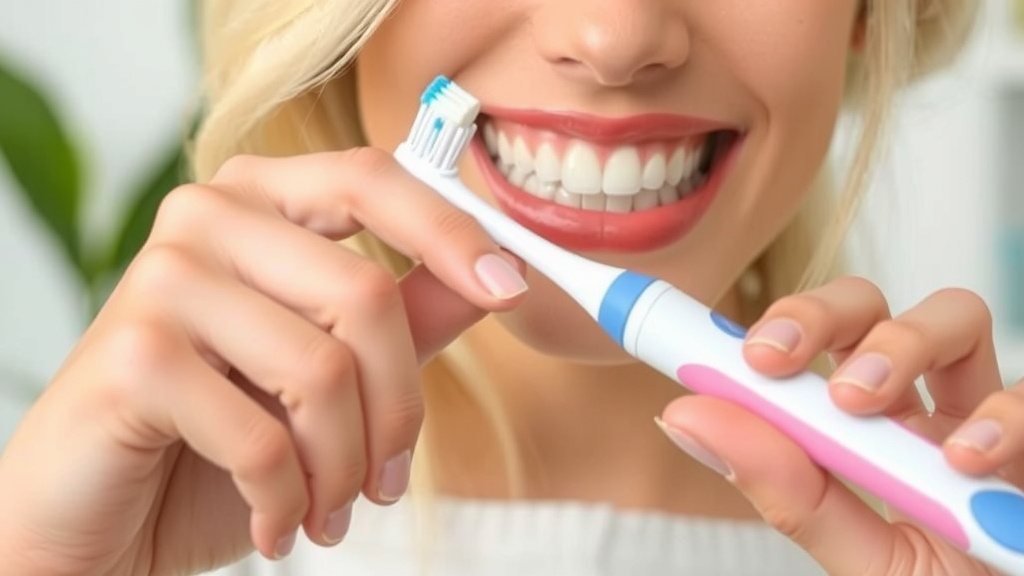
Direct Comparison: Effectiveness and User Experience
When we look at direct comparisons, electric toothbrushes generally show better results for stain removal. Studies have found that they are more effective at reducing plaque and gingivitis, and this thorough cleaning extends to stain removal as well.
A study published in the Journal of the American Dental Association found that electric toothbrushes, particularly oscillating-rotating models, were better at reducing plaque and gingivitis than manual toothbrushes. While this study focused on overall oral health, a cleaner tooth surface is a brighter tooth surface. This suggests a clear advantage for electric brushes when it comes to keeping teeth looking their best.
Here’s a quick look at what you can generally expect:
| Feature | Manual Toothbrush | Electric Toothbrush |
|---|---|---|
| Stain Removal Effectiveness | Good with proper technique | Generally better, especially with powered movements |
| Ease of Use | Requires good manual dexterity | Minimal effort, powered by the brush |
| Consistency | Depends on user effort | High due to powered action and timers |
| Cost | Low | Higher initial investment, replacement heads |
| Gum Health | Can be good, but risk of over-brushing | Often gentler, with pressure sensors |
The Whitening Toothpaste Factor
No matter which type of brush you choose, using a whitening toothpaste can boost your results. These toothpastes typically contain mild abrasives or chemicals that help lift surface stains. We found that pairing a good whitening toothpaste with the consistent, powerful cleaning action of an electric toothbrush can amplify whitening effects more than using either alone.
Beyond Brushing: Other Whitening Methods
It’s important to remember that toothbrushes primarily tackle surface stains. For deeper discoloration, you might need to consider other options. Whitening strips, gels, or professional treatments from your dentist work on intrinsic stains within the tooth. However, a clean canvas from effective brushing makes these other methods work even better. Think of your toothbrush as the essential first step in a multi-stage whitening process.
Making the Right Choice for Your Smile
So, which brush is best for your whitening goals? If you’re looking for the easiest and most consistently effective way to combat surface stains and achieve a brighter smile, an electric toothbrush often comes out on top. Their powered movements and built-in features like timers help ensure a thorough clean that manual brushing can be harder to replicate.
However, a manual toothbrush can still be effective if you have excellent technique and are diligent about brushing duration and frequency. Cost is also a factor; manual brushes are significantly cheaper upfront. If budget is a major concern, focus on perfecting your manual brushing technique and using a good whitening toothpaste.
Ultimately, the best toothbrush is the one you’ll use consistently and correctly. But for many seeking that extra sparkle, the powered action of an electric brush is a worthwhile investment.
Your Whitening Action Plan Checklist
Ready to boost your smile’s brightness? Here are a few key steps to keep in mind:
- Brush for a full two minutes, twice a day.
- Use a gentle, effective motion.
- Consider a whitening toothpaste.
- Replace your toothbrush head or brush every 3-4 months.
- See your dentist regularly for check-ups and cleanings.
- Don’t forget about your tongue; it can harbor stain-causing bacteria!
Conclusion
You’ve learned that while both electric and manual toothbrushes can contribute to a whiter smile, electric models generally offer a **more consistent and effective clean** for removing surface stains. Their powered movements, whether oscillating-rotating or sonic, do much of the hard work for you. This can lead to brighter teeth over time, especially when paired with a whitening toothpaste. If you’re looking for an easier path to a consistently brighter smile, an electric toothbrush is likely a worthwhile investment. Your next step? Consider which type best fits your budget and brushing habits, and commit to that two-minute brushing routine!
Frequently Asked Questions
Can a manual toothbrush really whiten my teeth?
Yes, a manual toothbrush can help remove surface stains, contributing to whiter teeth. However, its effectiveness relies heavily on your brushing technique and consistency. You’ll need to focus on thoroughness and duration to match the stain-removing power of an electric brush.
How often should I replace my electric toothbrush head for whitening?
You should replace your electric toothbrush head every 3-4 months, or sooner if the bristles become frayed. Worn bristles are less effective at cleaning and removing stains, hindering your whitening efforts. Using a fresh head ensures optimal performance.
Are sonic or oscillating-rotating electric toothbrushes better for whitening?
Research suggests both sonic and oscillating-rotating electric toothbrushes are effective at removing surface stains. Many studies found oscillating-rotating models to be slightly superior for plaque and stain removal. Ultimately, the consistent powered action of either type is a step up from manual brushing for whitening.
Will whitening toothpaste work better with an electric toothbrush?
Yes, using a whitening toothpaste with an electric toothbrush can often yield better results. The electric brush provides a more thorough and consistent cleaning action, helping the active ingredients in the toothpaste to better reach and lift surface stains.
Are there any downsides to using electric toothbrushes for whitening?
The main downside is the higher initial cost compared to manual toothbrushes, plus the ongoing expense of replacement heads. Some people also find the vibration or sound of an electric brush takes some getting used to. However, for most, the benefits for whitening and overall oral health outweigh these considerations.