Electric Toothbrush Effectiveness: What Science Says
Yes, electric toothbrushes are generally more effective than manual ones. Studies often find they remove more plaque and reduce gum inflammation better. This is mainly due to their specialized cleaning actions, like oscillating-rotating or sonic vibrations.
Many dental professionals recommend them for good reason. They can make it easier to achieve a thorough clean, especially for those who struggle with manual brushing technique. You might find your teeth feel smoother and your mouth fresher after switching.
- Electric brushes often remove more plaque.
- They can be better for gum health.
- Many people find them easier to use effectively.
- Consistent use leads to better long-term oral hygiene.
So, how effective are they really, and what should you look for? Let’s break down what the research shows and what it means for your smile.
You’re probably wondering if that fancy electric toothbrush is really worth the extra cash. Does it actually clean your teeth better than a manual one? We’ve dug into the research, and the answer is a resounding yes, but with some important nuances. Let’s find out how they stack up and what makes them so effective.
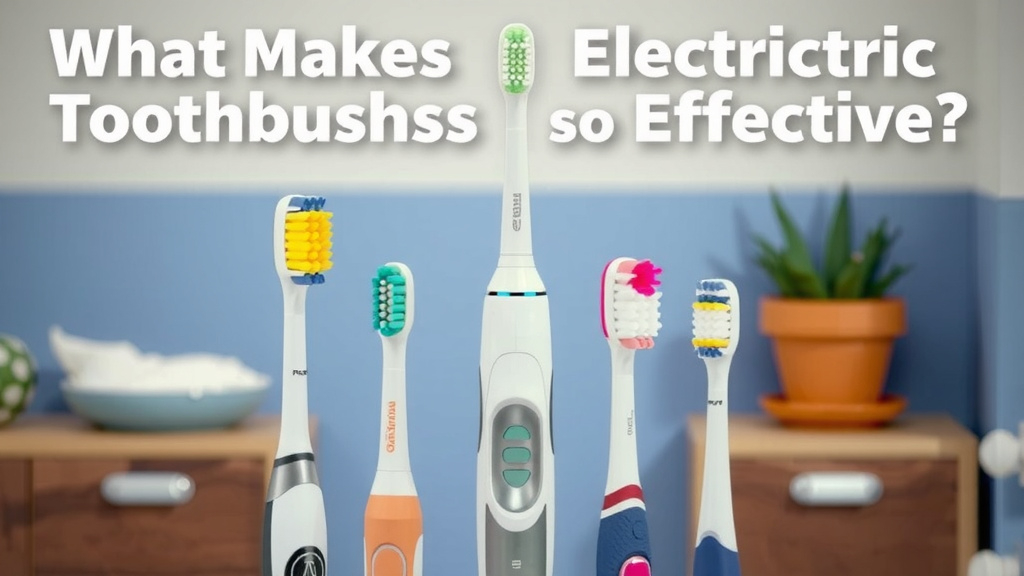
What Makes Electric Toothbrushes So Effective?
Electric toothbrushes bring a lot of power to your oral hygiene routine. They use specific motions that are hard to replicate manually. This leads to a deeper, more consistent clean.
The Science Behind the Spin (or Buzz)
Different types of electric toothbrushes use different cleaning actions. These motions are designed to disrupt plaque and remove it efficiently. Many studies show they outperform manual brushes in plaque removal. This is a big deal for preventing cavities and gum disease (NCBI).
Oscillating-Rotating Technology
These brushes have small, round heads. They spin back and forth, and sometimes pulse, to scrub away plaque. Think of it like a tiny, powerful buffer for your teeth. This action is very effective at reaching tricky spots.
Sonic Technology
Sonic toothbrushes vibrate at very high speeds. These vibrations create fluid dynamics. This means the toothpaste and saliva mix and move. This helps clean even beyond where the bristles physically touch. It’s like a mini-tsunami of clean!
Consistency is Key
One of the biggest advantages is ease of use. You don’t need a perfect technique to get a good clean. Just guide the brush head along your teeth. This consistency makes a huge difference over time. Many experts say this is why they see better results in patients who switch (Cleveland Clinic).
Comparing Electric vs. Manual Brushing: The Data
So, how do the numbers look? When we compare the two, electric toothbrushes often come out on top. It’s not just about feeling cleaner; it’s about actual improvements in oral health.
Plaque Removal: The Big Win
Numerous systematic reviews have looked at this. They consistently find that electric toothbrushes remove more plaque than manual ones. One meta-analysis found an 11% reduction in plaque and a 6% reduction in gingivitis when using oscillating-rotating brushes compared to manual ones.
This enhanced plaque removal is crucial. Plaque is the sticky film that leads to cavities and gum problems. By removing more of it, you’re directly improving your long-term oral health.
Gum Health: A Gentler Approach
Beyond just removing plaque, electric toothbrushes can be gentler on your gums. Over-aggressive brushing with a manual brush can lead to gum recession. The consistent, controlled motion of an electric brush helps prevent this. Studies suggest they can lead to healthier gums and less bleeding.
Ease of Use for All Ages and Abilities
Think about children learning to brush or adults with limited dexterity. Electric toothbrushes make the job much easier. They do most of the work for you. This means better cleaning for everyone, regardless of their brushing skill.
| Feature | Electric Toothbrush | Manual Toothbrush |
|---|---|---|
| Plaque Removal | Generally more effective | Relies heavily on user technique |
| Gum Health | Can be gentler, reduces inflammation | Risk of over-brushing, recession |
| Ease of Use | High, requires less technique | Requires good technique for optimal results |
| Features | Timers, pressure sensors, multiple modes | Basic cleaning tool |
What to Look For in an Electric Toothbrush
Not all electric toothbrushes are created equal. If you’re considering a switch, here are a few things to keep in mind. These features can help you get the most bang for your buck.
Head Movement: Oscillating-Rotating vs. Sonic
As we discussed, both work well. Oscillating-rotating heads are often cited for superior plaque removal. Sonic brushes offer a different kind of clean with their high-speed vibrations. Many people find sonic brushes feel more gentle.
Built-in Timers: Brush for the Full Two Minutes!
Dentists recommend brushing for two minutes. Most electric toothbrushes have a built-in timer. Many even have quadpacers. These buzz every 30 seconds to tell you to move to a different section of your mouth. This ensures you don’t cut your brushing time short.
Pressure Sensors: Save Your Gums!
Brushing too hard is a common mistake. It can damage your gums and tooth enamel. Many electric toothbrushes have pressure sensors. They alert you if you’re pressing too hard. This feature alone can save your smile from damage.
Brush Head Variety
Different brush heads are designed for different needs. You can find heads for sensitive teeth, whitening, or deep cleaning. Replacing the head regularly (about every three months) is essential for continued effectiveness.
So, are electric toothbrushes effective? The evidence strongly suggests they offer a superior clean. They help remove more plaque and are often gentler on your gums. Plus, they make it easier for you to maintain a consistent, thorough brushing routine. If you’ve been on the fence, it might be time to give one a try!
- Consider a toothbrush with a built-in two-minute timer.
- Look for a pressure sensor to protect your gums.
- Choose a brush head type that suits your needs.
- Replace brush heads every 3-4 months.
- Aim for consistent daily use for best results.
Conclusion
The research is clear: electric toothbrushes generally offer a more effective clean than manual ones. They excel at removing plaque and can be a real help for improving your gum health. Plus, their consistent action makes achieving a thorough clean easier for everyone, regardless of brushing skill. If you’re looking to boost your oral hygiene routine and get that dentist-clean feeling more often, making the switch to an electric toothbrush is a smart move. Consider trying one to see the difference it can make for your smile!
Frequently Asked Questions
How quickly will I notice a difference with an electric toothbrush?
Many people report feeling a difference in their mouth’s cleanliness almost immediately after their first use. For noticeable improvements in gum health and plaque reduction, consistent use over a few weeks is usually what it takes.
Are electric toothbrushes too harsh for sensitive teeth or gums?
Not at all! Modern electric toothbrushes often come with pressure sensors that alert you if you’re brushing too hard, protecting your gums and enamel. You can also find specialized brush heads designed for sensitive teeth and gums.
Do I still need to floss if I use an electric toothbrush?
Yes, you absolutely should. While electric toothbrushes are excellent at cleaning tooth surfaces, they can’t reach effectively between teeth or below the gumline like floss can. Flossing remains a vital part of a complete oral hygiene routine.
How long does an electric toothbrush battery typically last?
Battery life varies by model, but most rechargeable electric toothbrushes can last anywhere from one to three weeks on a single charge. This makes them very convenient for travel, as you often don’t need to bring a charger on short trips.
Can an electric toothbrush help with bad breath?
Yes, electric toothbrushes can help combat bad breath. By more effectively removing plaque and food particles that contribute to odor, they help you achieve a cleaner mouth overall, which can lead to fresher breath.