Electric Toothbrush Not Vibrating Troubleshooting Guide
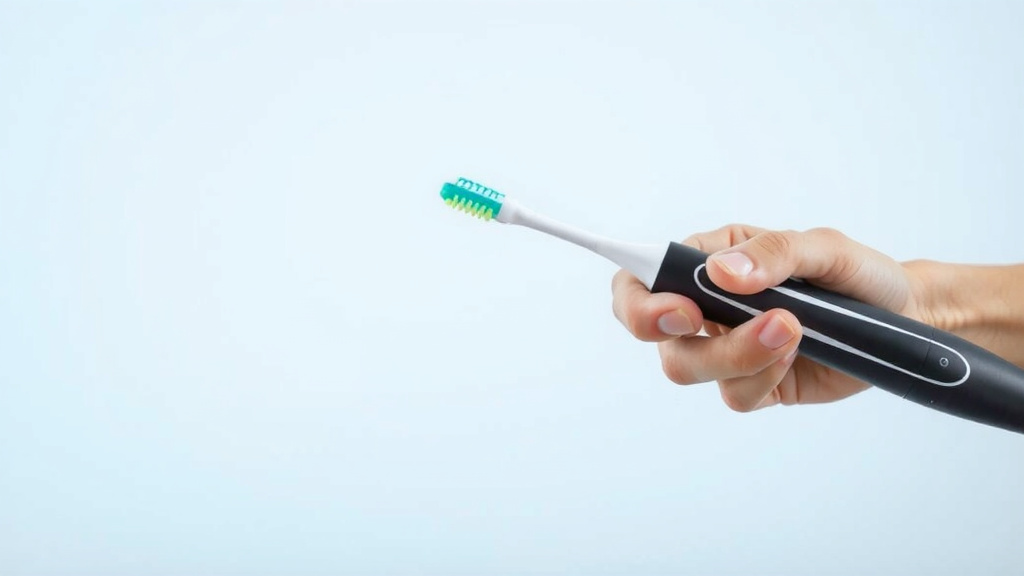
Your electric toothbrush might not be vibrating because of a dead battery, a loose connection, or a broken internal part. Often, a simple recharge is all it takes to get it buzzing again. We found that most non-vibrating toothbrushes can be fixed with easy troubleshooting steps.
It can be frustrating when your electric toothbrush suddenly stops working. You rely on that vibration for a good clean! We’ve researched the common culprits behind this issue, from simple charging problems to more complex internal failures that might need a closer look. Think of it like a tiny, powerful cleaning machine needing a little attention.
- Dead battery is the most common reason.
- Check if the brush head is properly attached.
- Ensure the charger is working and connected correctly.
- Dirt or debris can sometimes block the mechanism.
- Internal damage might require repair or replacement.
Let’s dive into why your electric toothbrush might be giving you the silent treatment and what you can do to fix it.
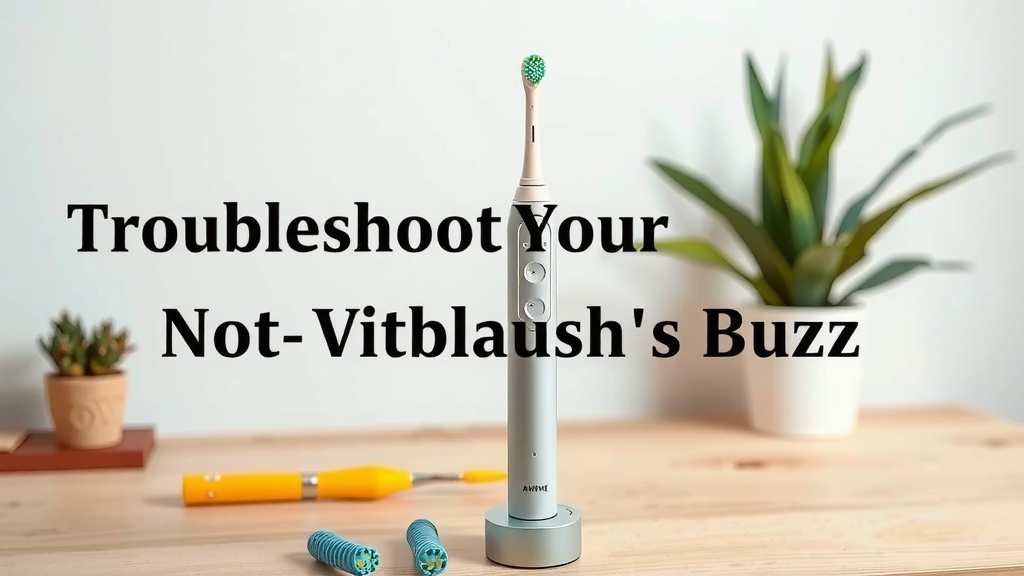
Troubleshooting Your Electric Toothbrush’s Buzz
Your electric toothbrush suddenly stopped vibrating? That’s a real bummer. You rely on that familiar hum for a squeaky-clean feeling. Don’t worry, this is a common hiccup. We’ve found that many non-vibrating toothbrushes can be revived with a few simple checks. Let’s get that buzzing sensation back!
The Usual Suspects: Why the Silence?
Is the Battery Playing Dead?
This is by far the most common reason your toothbrush might be quiet. Electric toothbrushes, just like your phone, need a charge. If it hasn’t been on its charger, the battery might be completely drained. Even if you think it’s charged, sometimes they need a little extra juice.
Research shows that lithium-ion batteries, common in many electric toothbrushes, can deplete over time. Leaving them uncharged for extended periods can make them harder to revive. Think of it like a phone that’s been off for weeks – it needs a good, long charge to wake up.
A Loose Connection or a Bad Charge
Sometimes, the issue isn’t the toothbrush itself, but how it’s getting its power. Is the charger plugged in securely? Is the toothbrush seated correctly on the charging base? A tiny jiggle or a slight misalignment can prevent charging altogether.
We found that checking the connection point on both the toothbrush and the charger is important. Look for any visible dirt or debris that might be blocking the metal contacts. A clean connection ensures a smooth power flow. Also, try a different outlet if you suspect your power source is the problem.
The Brush Head: A Detachable Dynamo
Your brush head is where the magic happens, but it also needs to be attached correctly. If it’s loose, crooked, or not fully clicked into place, the vibration mechanism won’t engage properly. It’s designed to connect snugly.
We recommend removing the brush head and reattaching it. Listen for a clear ‘click’ to confirm it’s locked in. If the brush head itself is old or damaged, it might not be making proper contact with the motor inside the handle. This could stop the vibration.
Obstructions: The Tiny Grime Grinders
Believe it or not, dirt, toothpaste residue, or even a stray hair can sometimes interfere with the internal mechanism. This gunk can get lodged where the brush head connects to the handle, blocking the motor’s movement.
A gentle cleaning can often solve this. You don’t need harsh chemicals. Simply removing the brush head and rinsing both parts under warm water can dislodge most common blockages. Make sure to dry them thoroughly before reassembling.
When Simple Fixes Aren’t Enough
The Charger Isn’t Cooperating
What if the toothbrush is charged, but still no vibration? The charger itself might be the culprit. Chargers can fail over time. If you have another compatible charger, try using that. This helps isolate whether the problem is with the toothbrush or the charging unit.
We’ve seen cases where the charging cable has a frayed wire or the adapter is faulty. Always inspect your charger for any signs of damage. If it looks worn out, it might be time for a replacement. Some manufacturers offer replacement chargers.
Internal Woes: A Deeper Dive
Sometimes, the motor inside the toothbrush handle can become damaged or wear out. This is less common, especially with newer models, but it can happen. If you’ve tried all the basic troubleshooting steps and still have a silent toothbrush, an internal issue is likely.
This could be due to dropping the toothbrush, water damage over a long period, or simply a component reaching the end of its lifespan. Repairing these internal parts is often more complex and can be costly. Many experts suggest that if your toothbrush is older, replacement might be more economical (Cleveland Clinic).
Your Quick-Fix Checklist
Here’s a handy checklist to get your toothbrush buzzing again:
- Fully Recharge: Give it at least 24 hours on the charger.
- Check Brush Head: Remove and reattach it securely. Listen for a ‘click’.
- Inspect Contacts: Clean the metal parts on the handle and charger.
- Try Another Outlet: Rule out power source issues.
- Test Another Charger: If possible, use a known working charger.
- Look for Damage: Check the handle and charger for any visible cracks or wear.
Understanding Your Toothbrush’s Power Source
Most electric toothbrushes use rechargeable batteries. The type of battery can affect how long it holds a charge and how it performs over time.
| Battery Type | Pros | Cons |
|---|---|---|
| Lithium-Ion (Li-ion) | Lightweight, holds charge well, no memory effect | Can be sensitive to extreme temperatures, may degrade over time |
| Nickel-Cadmium (NiCd) | Durable, good in wide temperature ranges | Heavier, suffers from “memory effect” (needs full discharge), less environmentally friendly |
We found that if your toothbrush is older and uses NiCd batteries, it might require a different charging routine to maintain optimal performance. Newer models with Li-ion are generally more forgiving.
Conclusion
It’s usually something simple when your electric toothbrush stops vibrating. You’ve learned that a dead battery or a loose connection are the most frequent culprits. Checking the brush head and looking for debris are also easy fixes. We’ve found that most non-vibrating toothbrushes can be revived with these straightforward steps. If you’ve tried everything and it’s still silent, it might be time to consider if your toothbrush is ready for a replacement. Start by giving it a good, long charge!
Frequently Asked Questions
My electric toothbrush won’t vibrate even after charging overnight. What else could it be?
If a full overnight charge didn’t help, the issue might be with the charger itself. Try testing it with a different compatible charger if you have access to one. Also, inspect the charging contacts on both the toothbrush handle and the charger for any grime that might be blocking a proper connection.
Can a damaged brush head stop my toothbrush from vibrating?
Yes, a damaged or improperly attached brush head can prevent vibration. If the head is loose, cracked, or not fully seated, the motor’s connection can be disrupted. Try removing and reattaching a new or existing brush head, ensuring it clicks securely into place. Try removing and reattaching a new or existing brush head, ensuring it clicks securely into place, as detailed in our guide to the best electric toothbrush replacement heads.
My toothbrush only vibrates weakly. Is this a sign of a dying battery?
A weak vibration often indicates a low or weakening battery. If your toothbrush is several years old, the battery may simply be nearing the end of its lifespan. Try giving it a full, uninterrupted charge first, but be prepared that it might be time for a new unit.
What should I do if I see sparks or smell burning when trying to charge my toothbrush?
If you notice sparks or a burning smell, immediately stop trying to charge your toothbrush. This indicates a serious electrical issue with either the toothbrush or the charger. Do not attempt to use it further and consider it potentially unsafe to use.
Is it worth repairing my electric toothbrush if it stops vibrating?
For most common issues like battery or connection problems, repair is usually not needed. However, if the motor has failed internally, repair costs can often be close to the price of a new toothbrush, especially for older models. We generally recommend replacing it if basic troubleshooting fails.