Electric Toothbrush Beeping? Here’s Why
Your electric toothbrush beeping usually means it’s either time to charge or it’s signaling the end of your brushing session. Most modern electric toothbrushes use beeps to communicate battery status and to remind you to switch brushing zones.
It’s a smart little device, isn’t it? That beep isn’t just random noise; it’s designed to help you achieve better oral hygiene. Understanding these beeps can make your brushing routine more effective and ensure your toothbrush is always ready to go.
- Beeping often signals low battery.
- It can indicate your recommended brushing time is up.
- Some models beep to prompt you to switch mouth quadrants.
- Check your toothbrush manual for specific beep meanings.
Let’s get to the bottom of what your electric toothbrush might be trying to tell you, so you can get back to that squeaky-clean feeling!
“`htmlUnderstanding Your Electric Toothbrush’s Beeps
Did your electric toothbrush suddenly start making noise? It’s likely trying to tell you something important. These beeps aren’t just random sounds. They are designed signals to help you maintain optimal oral hygiene. Let’s figure out what those little chirps and buzzes mean.
Most electric toothbrushes use sound to communicate. It’s like a tiny dashboard for your mouth. You wouldn’t ignore a car dashboard warning, right? Your toothbrush is no different. Understanding these signals helps you use it correctly. It also ensures your toothbrush is always ready for action.
The Most Common Beep: Time to Charge!
The most frequent reason your electric toothbrush beeps is a low battery. Think of it as a friendly nudge to plug it in. This is especially common in models that don’t have a visible battery indicator.
When You Hear the Beep
If your toothbrush beeps and then stops working, or seems weaker than usual, the battery is probably depleted. You might hear a specific pattern of beeps. This pattern often means “I’m running on empty.”
How Often Should You Charge?
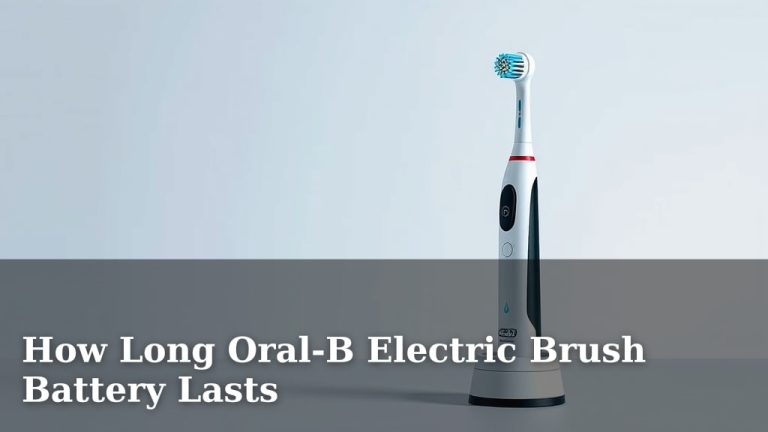
Most modern electric toothbrushes can last for about two weeks on a single charge. However, this can vary by brand and model. Some high-end models might last even longer. Others with more features might need charging more often. Charging it after every few uses is a good habit.
We found that many users get into a routine of charging their toothbrush overnight once a week. This seems to keep it powered up without much thought. Placing it back on its charger after each use is another foolproof method.
Troubleshooting Charging Issues
If your toothbrush beeps and won’t charge, check the charging base. Ensure it’s properly plugged into a working outlet. Make sure the connection between the toothbrush and the base is clean. Sometimes, dust or toothpaste residue can interfere. A quick wipe with a damp cloth can help.
Your Brushing Timer Has Sounded
Another very common beep signifies the end of your recommended brushing time. Dentists typically advise brushing for two minutes. Electric toothbrushes are designed to help you meet this goal.
The Quadpacer Feature
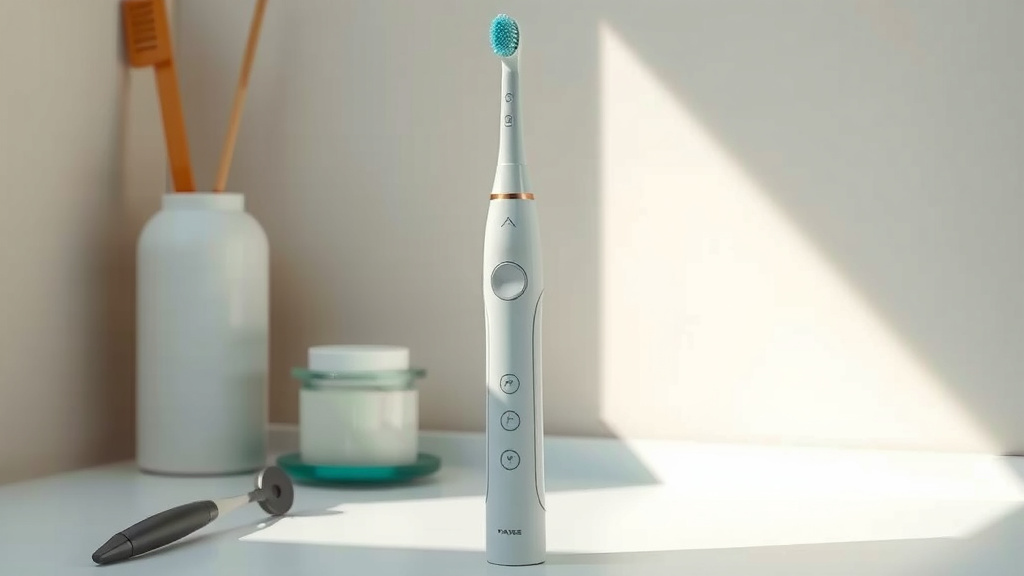
Many electric toothbrushes have a feature called a “Quadpacer.” This is a short beep or pulse that occurs every 30 seconds. It reminds you to move to a different section of your mouth. Most people divide their mouth into four quadrants: upper right, upper left, lower right, and lower left.
So, when you hear a beep, it’s time to switch. You should spend about 30 seconds on each quadrant. This ensures you brush all areas thoroughly and evenly. It’s a fantastic tool for building good habits.
The Two-Minute Signal
After the full two minutes are up, you’ll usually hear a longer beep or a different sound pattern. This signals that your brushing session is complete. It means you’ve met the dentist-recommended time. You can then stop brushing and rinse.
We found that this feature is incredibly helpful for people who tend to rush. It takes the guesswork out of timing. You can simply focus on brushing technique. Many dental professionals endorse this feature (American Dental Association).
Other Potential Beep Meanings
While low battery and brushing timers are the most common reasons, some toothbrushes have other beep functions. It’s always best to consult your specific toothbrush manual.
Pressure Sensor Alerts
Some advanced models beep or vibrate differently if you’re pressing too hard. Brushing too aggressively can damage your gums and tooth enamel. This type of alert is a protective measure.
If your toothbrush beeps while you’re brushing, ease up on the pressure. It’s a signal to be gentler. Protecting your gums is just as important as cleaning your teeth. If your toothbrush beeps while you’re brushing, ease up on the pressure; our guide to electric toothbrushes for hard brushers explains why.
Error or Malfunction Indicators
In rare cases, a specific beep pattern might indicate an error or a malfunction. This is less common but possible. If your toothbrush beeps unusually and doesn’t function correctly, it might be a sign something is wrong.
Mode Change Notifications
Some toothbrushes have different brushing modes (e.g., sensitive, whitening, gum care). A beep might accompany a change in mode. This lets you know the toothbrush has switched settings.
Consult Your Manual for Clarity
Every brand and model is a little different. The exact meaning of a beep can vary. For precise information, your toothbrush’s instruction manual is your best friend.
If you’ve lost the manual, most manufacturers have digital copies on their websites. A quick search for your toothbrush model should lead you to it. This is the surest way to understand what your specific toothbrush is communicating.
What to Do Next
Once you know what the beep means, you can take the right action. If it’s low battery, charge it. If it’s a timer, switch quadrants or finish your session. If it seems like an error, check the manual or contact customer support.
Here’s a quick checklist to help you troubleshoot:
- Is the battery low? Try charging it.
- Did it beep every 30 seconds? You’re likely in Quadpacer mode.
- Did it give a longer beep after two minutes? Your session is complete.
- Are you pressing too hard? Ease up on the pressure.
- Does the beep pattern match an error code in your manual?
- Is the charging base clean and plugged in?
By understanding these beeps, you can ensure you’re getting the most out of your electric toothbrush. Happy brushing!
Conclusion
Understanding your electric toothbrush’s beeps turns those sounds into helpful signals. You now know that beeps often mean it’s time to charge your brush or switch brushing zones. Some beeps even alert you to brushing too hard. By paying attention to these sounds, you’re ensuring a more effective clean and a healthier smile. Keep these tips in mind, and don’t hesitate to check your manual for your specific model’s unique alerts. Your smile will thank you for it!
Frequently Asked Questions
My electric toothbrush beeps but doesn’t charge. What should I do?
First, ensure the charging base is properly plugged into a working outlet. Clean both the charging base and the bottom of your toothbrush handle; toothpaste residue can sometimes prevent charging. If it still doesn’t charge, try a different outlet or consult your manual for troubleshooting steps.
Can my electric toothbrush beep if I’m pressing too hard?
Yes, many advanced electric toothbrushes have a pressure sensor that causes them to beep or vibrate differently when you apply too much force. This is to protect your gums and enamel from damage. If you hear this beep, try easing up on your pressure while brushing.
How long should I expect my electric toothbrush battery to last on a single charge?
Most modern electric toothbrushes can last about two weeks on a full charge, but this varies by brand and model. Using different brushing modes or features might affect battery life. Regularly charging it, perhaps once a week or overnight, is a good practice.
What is the “Quadpacer” feature I’ve read about?
The Quadpacer is a function found in many electric toothbrushes that alerts you with a short beep or pulse every 30 seconds. It prompts you to move to a different quadrant of your mouth, ensuring you spend the recommended brushing time evenly across all areas.
My toothbrush makes a different beeping sound than usual. Is it broken?
A different beep pattern could indicate various things, not necessarily a malfunction. It might be a new alert for low battery, a reminder to clean the brush head, or even a mode change notification. Always refer to your toothbrush’s manual to understand specific beep codes.