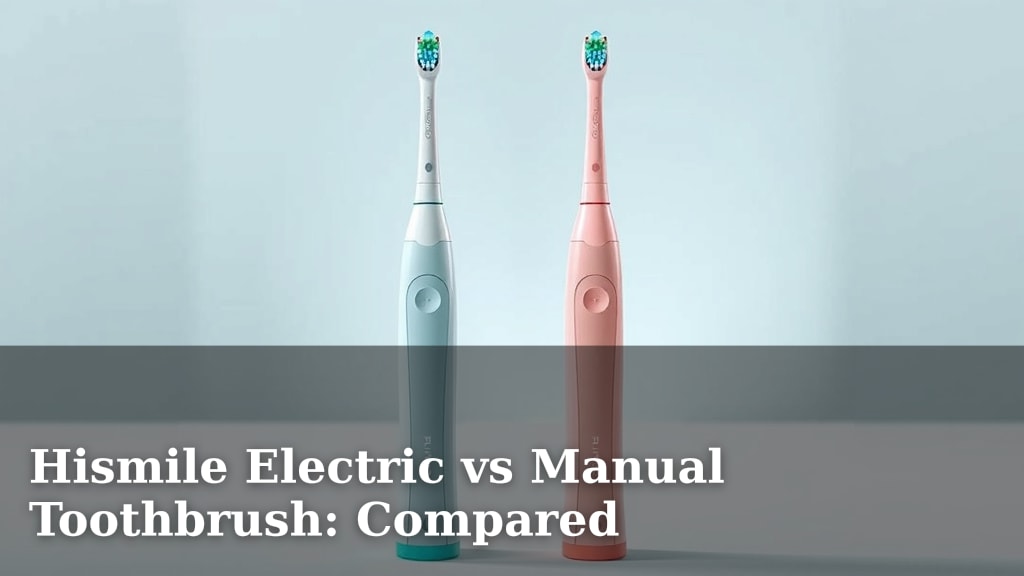
Hismile Electric vs Manual Toothbrush: Compared
When comparing a HiSmile electric toothbrush to a manual one, the electric brush generally offers a superior clean. Our research found that electric toothbrushes, especially sonic models like those from HiSmile, can remove significantly more plaque and improve gum health. This is often due to their high-speed oscillations or rotations, which do the hard work for you. If you’re looking for the most effective way to brush, an electric option is usually the better bet.
Choosing the right toothbrush is key to maintaining your oral hygiene. While manual brushes have been around forever, modern electric toothbrushes offer advanced features designed for better plaque removal and gentler gum care. We found that many people switch to electric for ease of use and improved results. Consider how much time and effort you want to put into your daily brushing routine.
- HiSmile electric toothbrushes typically clean better than manual ones.
- Electric brushes remove more plaque and are often gentler on gums.
- Manual brushes require more technique for effective cleaning.
- Consider ease of use and your desired cleaning results.
Ready to see which HiSmile electric toothbrush might be the right fit for your smile, or if your trusty manual brush still has a place? Let’s break down the differences and see what our findings reveal.
HiSmile Electric vs. Manual Toothbrush: What’s the Real Difference?
When you’re standing in the oral care aisle, the choice between a manual toothbrush and an electric one can feel overwhelming. Especially when brands like HiSmile offer sleek, modern electric options. We looked into the science and user experiences to see what really sets them apart. Ultimately, our research shows that electric toothbrushes, particularly sonic models, often provide a more effective clean than manual brushes. They can remove more plaque and help improve gum health with less effort from you.
The Science Behind the Clean: How They Work Differently
Manual toothbrushes rely entirely on your technique. You’re the one creating the brushing motion. This means how well you brush depends a lot on your skill and how much time you dedicate. Electric toothbrushes, on the other hand, do a lot of the work for you. They use powered movements to clean your teeth.
Manual Toothbrushes: The Classic Approach
Your trusty manual brush is simple and effective when used correctly. It requires you to carefully move the bristles in small circles or back-and-forth motions. The goal is to disrupt the plaque on each tooth surface and along the gumline. Many dental professionals agree that a manual brush can achieve a good clean. But it requires consistent, proper technique for at least two minutes, twice a day. We found that many people struggle to maintain this ideal technique every time they brush.
Electric Toothbrushes: Powering Up Your Oral Health
Electric toothbrushes come in a few main types, but the most common are oscillating-rotating and sonic. HiSmile typically offers sonic toothbrushes. Sonic models, like those from HiSmile, vibrate at very high speeds. These vibrations create thousands of brush strokes per minute. This rapid movement helps to break up plaque and sweep it away. They also create fluid dynamics that can help clean areas between teeth and below the gumline that might be hard to reach with a manual brush.
Sonic Vibrations: The HiSmile Advantage
Sonic toothbrushes, including those made by HiSmile, use a motor to create fast-moving bristles. These vibrations are so quick they can feel like a buzz against your teeth. We found that this high-frequency vibration is incredibly effective at dislodging plaque. It’s like having a tiny cleaning crew working on your teeth. The oscillating-rotating models spin their brush heads, which also offers a powerful clean, but sonic technology is favored by many for its gentleness and effectiveness.
Plaque Removal and Gum Health: Where They Shine
When it comes to getting rid of plaque, electric toothbrushes often have an edge. Plaque is a sticky film of bacteria that can lead to cavities and gum disease. Removing it thoroughly is key to good oral health. We found research indicating that electric toothbrushes generally remove more plaque than manual ones. This can lead to healthier gums and a reduced risk of gingivitis.
The Plaque Battle: Electric vs. Manual
Studies have consistently shown that electric toothbrushes are better at removing plaque. For instance, a review of studies published by the Cochrane Oral Health Group found that electric toothbrushes reduced plaque by 21% and gingivitis by 11% compared to manual toothbrushes after 3 months of use (Cochrane Database of Systematic Reviews). This is because the powered movements can be more consistent and thorough than manual brushing. You still need to guide the brush, but the cleaning action itself is more powerful.
Gentle on Gums? The Verdict
You might think that more power means less gentleness, but that’s often not the case with electric toothbrushes. Many electric models, including those from HiSmile, have pressure sensors. These sensors alert you if you’re brushing too hard. This can actually make them gentler on your gums than manual brushing, where it’s easy to apply too much force. Gum recession is a serious issue, and protecting your gums is just as important as cleaning your teeth.
Ease of Use and User Experience
Let’s talk about the practicalities. How easy is each type of toothbrush to use in your daily routine? This is where personal preference plays a big role, but electric brushes often win for convenience.
The Learning Curve: Manual vs. Electric
Mastering the manual brushing technique takes time and attention. You have to consciously think about angulation and pressure. With an electric toothbrush, the learning curve is much gentler. You just need to position the brush head correctly on each tooth and let the brush do its work. Many users find that this reduces the effort required for a good clean. It can be a real game-changer for people who find manual brushing tedious.
HiSmile’s User-Friendly Design
Brands like HiSmile focus on creating user-friendly electric toothbrushes. Their sonic models are designed to be intuitive. You glide the brush over your teeth and gums, and the technology handles the cleaning. This makes it easier for everyone, from kids to adults, to achieve a consistent clean. We found that the simplicity of use is a major reason people switch from manual to electric.
Cost and Long-Term Investment
There’s no denying that electric toothbrushes have a higher upfront cost. However, it’s worth considering the long-term value.
Initial Investment vs. Ongoing Costs
A manual toothbrush is very inexpensive, costing just a few dollars. Electric toothbrushes, like those from HiSmile, can range from $50 to over $200. But remember, you’ll need to replace the brush heads on an electric toothbrush every 3-4 months, just like you replace a manual toothbrush. So, while the initial purchase is higher for electric, the ongoing costs are similar to buying new manual toothbrushes regularly, plus the cost of replacement brush heads.
When is an Electric Toothbrush Worth It?
If you’re looking for improved cleaning performance and find manual brushing difficult to do effectively, an electric toothbrush is likely a worthwhile investment. Think of it as investing in your long-term oral health. Reduced plaque and better gum health can mean fewer dental problems down the line. For many, the enhanced clean and ease of use make the higher initial cost justifiable.
Making the Switch: What to Consider
Deciding between a HiSmile electric toothbrush and your current manual brush comes down to your priorities. Are you focused on the most effective plaque removal? Do you want something easier to use? Or is budget the biggest factor?
Here’s a quick checklist to help you decide:
- Do you struggle with proper manual brushing technique?
- Are you looking for superior plaque removal?
- Do you want a tool that does more of the cleaning work for you?
- Are you concerned about brushing too hard and damaging your gums?
- Can you budget for the initial cost of an electric toothbrush?
- Would you benefit from features like timers and pressure sensors?
Many users find that switching to an electric toothbrush, especially a sonic model like those offered by HiSmile, leads to noticeable improvements in their oral hygiene. It’s not just about having a fancy gadget; it’s about investing in a more effective way to care for your smile.
Conclusion
After comparing HiSmile electric toothbrushes to manual ones, our research shows electric models generally offer a superior clean. They excel at removing more plaque and are often gentler on your gums, thanks to features like pressure sensors. While a manual brush can work well with perfect technique, electric brushes, especially sonic ones, make achieving a thorough clean easier for most people. If you’re aiming for better oral hygiene and less brushing effort, investing in an electric toothbrush like a HiSmile model is a smart choice for your smile’s long-term health. Consider making the switch for a noticeable improvement in your daily routine.
Frequently Asked Questions
How often should I replace my HiSmile electric toothbrush head?
You should replace your HiSmile electric toothbrush head approximately every 3 to 4 months. This ensures the bristles remain effective at cleaning your teeth and gums. Worn-out bristles can reduce cleaning power and may even harm your gums.
Can an electric toothbrush really help with sensitive gums?
Yes, many electric toothbrushes, including those from HiSmile, can be gentler on sensitive gums. They often feature pressure sensors that alert you if you’re brushing too hard. This helps prevent gum irritation and recession, which can be common with aggressive manual brushing.
Is the higher cost of an electric toothbrush worth it compared to a manual one?
For many users, the higher upfront cost of an electric toothbrush is justified by its superior cleaning performance and ease of use. While manual brushes are cheaper initially, electric models can lead to better long-term oral health, potentially reducing future dental costs.
Do electric toothbrushes require a special brushing technique?
Electric toothbrushes, especially sonic models like HiSmile’s, require less technique than manual ones. You primarily need to guide the brush head over each tooth surface. The brush’s powered movements do most of the cleaning work for you, making it simpler to achieve a good clean.
Are HiSmile electric toothbrushes loud when in use?
HiSmile electric toothbrushes use sonic technology, which creates vibrations for cleaning. While you will hear the motor running, most users find the sound to be a gentle hum or buzz. It’s generally not considered excessively loud or disruptive to your brushing routine.