How Are Electric Toothbrushes Better Than Manual
Electric toothbrushes are generally better than manual ones for most people, especially for removing plaque and improving gum health. Research consistently shows they offer a superior clean. Many dental professionals recommend them for their effectiveness.
You might be wondering if making the switch is really worth it. We found that electric toothbrushes can help you achieve a healthier smile with less effort. They often make brushing more enjoyable, too.
- Electric toothbrushes remove more plaque.
- They are often easier to use effectively.
- They can improve gum health more than manual brushes.
- Many people find them more comfortable.
Ready to see why switching might be your best move for a brighter smile? Let’s dive into the details of how electric brushes win the cleaning contest.
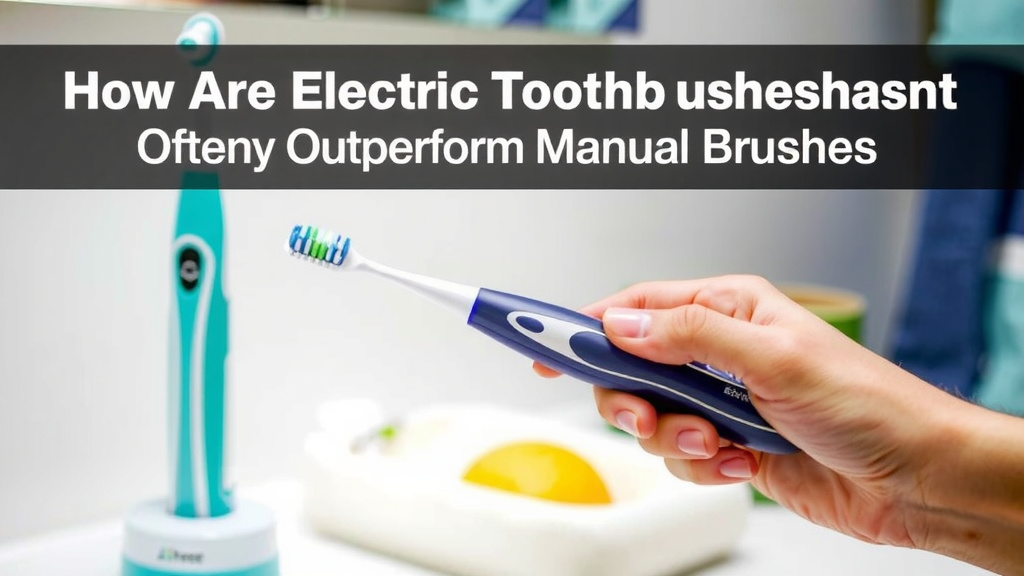
Why Electric Toothbrushes Often Outperform Manual Brushes
You might be wondering if switching to an electric toothbrush is truly a step up. We found that for most people, electric toothbrushes offer a noticeably better clean. They often remove more plaque and can help you achieve healthier gums with less effort on your part.
Superior Plaque Removal
One of the biggest advantages of electric toothbrushes is their ability to remove plaque. The oscillating or sonic movements of the brush head can dislodge plaque more effectively than manual brushing. Research has consistently shown this difference.
Many studies indicate that electric toothbrushes can remove up to 21% more plaque than manual ones (Cochrane Database of Systematic Reviews). This might sound like a small number, but over time, it adds up. Less plaque means a healthier mouth and a reduced risk of cavities and gum disease.
Easier to Use Effectively
Let’s be honest, sometimes manual brushing can feel like a chore. It’s easy to miss spots or not brush for the recommended two minutes. Electric toothbrushes simplify the process.
You simply guide the brush head along your teeth. The brush does most of the work for you. This makes it easier to maintain proper technique and cover all surfaces of your teeth. Many electric models also have built-in timers to ensure you brush for the full two minutes. This feature alone is a game-changer for many people.
Gentler on Your Gums
It might seem counterintuitive, but electric toothbrushes can actually be gentler on your gums. When you brush too hard with a manual toothbrush, you can cause gum recession or irritation. This is a common problem many people face.
Many electric toothbrushes come with pressure sensors. These sensors alert you if you’re pressing too hard. This feature helps protect your delicate gum tissue. This can be especially helpful for individuals with sensitive gums or those who tend to over-brush.
Key Differences in How They Clean
The mechanics of how electric and manual toothbrushes clean are quite different. Understanding these differences can help you appreciate why electric models often win out.
The Power of Motion
Manual toothbrushes rely on your arm and wrist movements to create friction. You have to manually generate the scrubbing action needed to remove plaque and food particles.
Electric toothbrushes, on the other hand, use powered movements. These can be oscillating (rotating back and forth) or sonic (vibrating at high speed). These motions create thousands of brush strokes per minute. This mechanical action is far more efficient than what you can achieve manually.
Focus on Technique
With a manual brush, your technique is everything. It’s easy to develop bad habits, like scrubbing too hard or missing certain areas. This is where many people struggle.
Electric toothbrushes help standardize your brushing technique. Because the brush head does the primary cleaning action, you can focus on proper placement. You guide the brush, allowing its technology to do the heavy lifting. This consistency is key to effective oral hygiene.
Variety of Brush Heads
Electric toothbrushes offer a wide array of brush heads. You can find heads designed for whitening, sensitivity, deep cleaning, or even orthodontics. This customization is a big plus.
For example, if you have braces, you can get a specialized brush head that cleans around the brackets more effectively. If you’re looking for a brighter smile, there are polishing heads. This adaptability is something manual brushes just can’t match.
Making the Switch: What to Expect
Switching from a manual to an electric toothbrush is a fairly straightforward process. You’ll likely notice a difference right away. Here’s a little of what you can anticipate.
The Initial Feeling
When you first use an electric toothbrush, it might feel a bit strange. The vibrations or rotating head can be an unusual sensation. Give yourself a few days to get used to it. Most people find they quickly adapt to the feeling and even enjoy the clean sensation.
Improved Oral Health Indicators
Beyond just feeling cleaner, you might see actual improvements in your oral health. Many users report less bleeding from their gums. They also notice a reduction in stubborn plaque buildup.
Clinical studies support these user experiences. Research shows that regular use of electric toothbrushes can lead to healthier gums and reduced gingivitis (American Dental Association). This is a significant benefit for long-term oral well-being.
Convenience and Enjoyment
Many people find that electric toothbrushes simply make brushing more enjoyable. The built-in timers, pressure sensors, and the feeling of a deeper clean can transform your routine. It can even encourage children to brush more regularly.
Some advanced models even connect to apps. These apps can track your brushing habits and offer personalized feedback. This adds an element of gamification. It can make maintaining good oral hygiene feel less like a chore and more like a helpful habit.
Cost Considerations
While the initial cost of an electric toothbrush is higher than a manual one, it can be cost-effective in the long run. Replacement brush heads are usually more affordable than constantly buying new manual toothbrushes. Plus, better oral health can mean fewer costly dental visits down the line.
Here’s a quick checklist to consider if you’re thinking about making the switch:
- Do you want a more thorough plaque removal?
- Are you concerned about brushing too hard?
- Do you find it difficult to brush for the full two minutes?
- Would you like a simpler, more effective brushing routine?
- Are you looking for ways to improve your gum health?
- Do you want to make brushing a more enjoyable experience?
Conclusion
Making the switch to an electric toothbrush often leads to a noticeably healthier smile. You’ve learned how their powered movements can significantly boost plaque removal compared to manual brushing. They simplify achieving a proper clean, even helping to protect your gums with features like pressure sensors. Electric toothbrushes can transform your daily routine into a more effective and enjoyable experience. Consider trying one for yourself and see the difference it makes in your oral hygiene.
Frequently Asked Questions
Are electric toothbrushes good for sensitive teeth?
Yes, many electric toothbrushes offer modes and brush heads specifically designed for sensitivity. Some models also include pressure sensors that alert you if you’re brushing too hard, which is great for protecting delicate teeth and gums. This can help reduce discomfort often associated with manual brushing for sensitive individuals.
How often should I replace the brush head on an electric toothbrush?
You should replace the brush head on your electric toothbrush roughly every three to four months, or sooner if the bristles become frayed. Worn-out bristles are less effective at cleaning your teeth and can even harbor more bacteria. Check your toothbrush’s manual for specific recommendations from the manufacturer.
Can an electric toothbrush help with bad breath?
Yes, an electric toothbrush can help combat bad breath by more effectively removing plaque and food particles from all tooth surfaces, including hard-to-reach areas. Better plaque removal means fewer odor-causing bacteria in your mouth. Consistent use, along with other good oral hygiene practices, can lead to fresher breath.
Is it okay to use the same electric toothbrush as someone else?
No, it is not recommended to share an electric toothbrush, even with a family member. Each person should have their own brush head to prevent the spread of bacteria and ensure proper hygiene. Sharing can transfer germs and lead to potential oral health issues for both users.
Do electric toothbrushes actually remove stains better than manual ones?
Many electric toothbrushes, especially those with polishing or whitening brush heads, can be more effective at removing surface stains than manual brushes. The high-speed movements can help lift stains from coffee, tea, or tobacco more efficiently. However, for deep intrinsic stains, professional dental treatments are usually more effective.