How Are Electric Toothbrushes Made? Full Guide
Electric toothbrushes are made through a careful manufacturing process. It starts with designing the electronic components. Then, these parts are assembled inside a molded plastic casing. Finally, quality checks ensure your toothbrush works perfectly. We’ll guide you through how these handy tools come to life.
Understanding the creation of your electric toothbrush demystifies the technology. It involves sourcing high-quality materials and precise engineering. Many factors contribute to their durability and effectiveness. You might be surprised by the steps involved.
- Electric toothbrushes start with design and electronic part sourcing.
- Assembly involves fitting these into a sturdy plastic body.
- Rigorous testing ensures each brush meets standards.
- The manufacturing process prioritizes safety and performance.
Ready to see how your trusty toothbrush goes from concept to your bathroom? Let’s walk through the manufacturing steps.
Behind the Brush: How Your Electric Toothbrush Comes to Life
Ever wondered what magic goes into making that buzzing toothbrush? It’s a fascinating journey from raw materials to a tool that keeps your smile sparkling. We’re going to take you step-by-step through the manufacturing process.
Designing the Future of Your Smile
It all starts with a brilliant idea and some serious design work. Engineers and designers brainstorm the shape, feel, and functionality. They think about how it will fit in your hand and how it will clean your teeth most effectively. Think of it as sculpting the perfect tool for your oral health.
From Concept to CAD: The Blueprint Stage
First, designers create detailed 3D models using specialized computer software. This is like building a virtual prototype. They focus on ergonomics, making sure the toothbrush is comfortable to hold and easy to maneuver. The placement of buttons and the weight distribution are carefully considered.
Selecting the Right Components
What makes an electric toothbrush ‘electric’? It’s the tiny but mighty components inside! These include the motor, battery, charging elements, and the circuit board that controls everything. Selecting these parts is like choosing the right ingredients for a recipe. The quality of these components directly impacts the toothbrush’s performance and lifespan.
Assembly: Putting the Pieces Together
Once the design is finalized and components are sourced, it’s time for assembly. This is where everything comes together, like a high-tech puzzle. The process is highly automated, but human oversight is still very important.
Crafting the Outer Shell
Most electric toothbrush bodies are made from durable plastics. These are often molded using a process called injection molding. Molten plastic is injected into a mold shaped like the toothbrush handle. Once cooled, it forms a strong, seamless casing. This ensures the brush is water-resistant and can withstand daily use.
Integrating the Electronics
This is the most delicate part of the assembly. Tiny robotic arms often place the motor, battery, and circuit board precisely into the molded casing. Wires are connected, and everything is secured. This stage requires extreme precision to avoid damaging the sensitive electronic parts. Safety is a top priority here, ensuring no electrical leaks can occur.
The Power Source: Batteries and Charging
The type of battery used is key. Most modern electric toothbrushes use rechargeable lithium-ion batteries for their longevity and power. The charging base is also assembled, ensuring it correctly connects with the toothbrush to replenish its power. We found that manufacturers test these charging systems extensively to guarantee they are both efficient and safe (Consumer Product Safety Commission).
Attaching the Brush Head Mechanism
The part that actually cleans your teeth – the brush head mechanism – is carefully attached. This usually involves a small motor that drives the oscillation or sonic vibrations. The bristles on the brush head are also manufactured separately, often using advanced techniques to ensure they are effective yet gentle on your gums.
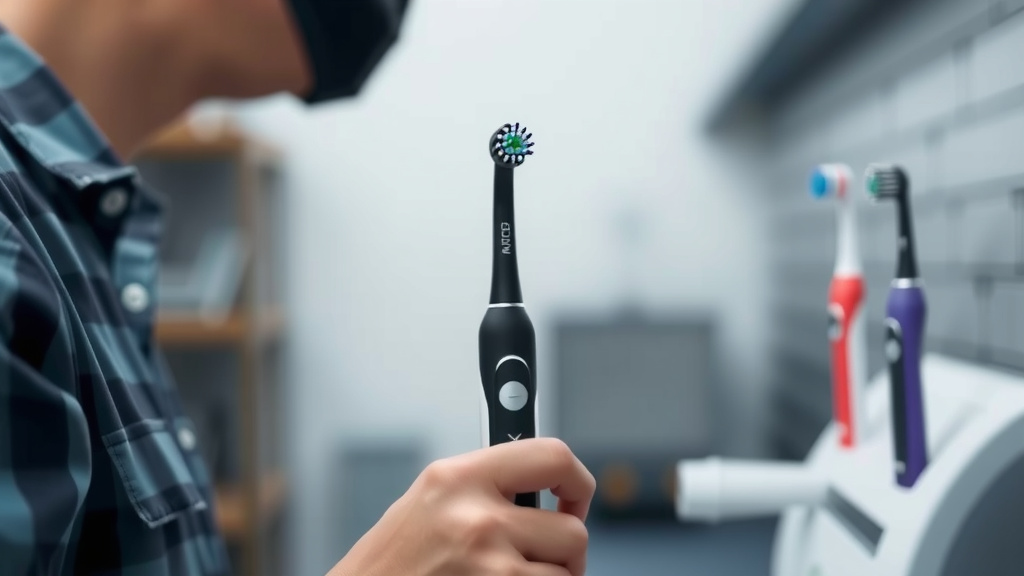
Quality Control: Ensuring a Top-Notch Clean
Before any electric toothbrush makes it to your bathroom, it undergoes rigorous testing. This is the gatekeeper stage, making sure every brush performs as expected and is safe to use.
Functional Testing
Each toothbrush is powered on and tested for vibration or oscillation patterns. The charging function is checked, and button responsiveness is verified. We found that manufacturers typically test a sample of brushes from each production batch to ensure consistency. Some units might even be tested to their full operational limit to gauge durability.
Safety Checks
Electrical safety is paramount. Tests are performed to ensure there are no electrical faults and that the device is properly sealed against water. Material safety is also checked; the plastics and bristles used must be food-grade and non-toxic. Standards set by organizations like the FDA are carefully followed.
Performance Evaluation
Beyond basic function, some brushes undergo performance tests. This might involve checking how effectively they remove plaque in simulated environments. The battery life is also measured to ensure it meets the advertised standards. This final review ensures you get a product that not only works but works exceptionally well.
The Checklist for a Great Electric Toothbrush
So, what makes the manufacturing process so successful?
- Careful component selection for durability.
- Precise automated assembly lines.
- Strict quality assurance protocols.
- Focus on user safety and material integrity.
- Rigorous performance testing before release.
- Continuous improvement based on feedback.
Conclusion
You’ve journeyed through the creation of your electric toothbrush, from initial design to final testing. We saw how careful component selection and precise assembly lead to a durable, effective tool. Quality control is a major part of the process. It ensures your toothbrush is both safe and performs at its best. Now you have a clearer picture of the technology behind your clean smile. Next time you use your electric toothbrush, you’ll appreciate the thoughtful engineering that made it possible.
Frequently Asked Questions
What materials are typically used for an electric toothbrush casing?
Most electric toothbrush casings are made from durable plastics. Manufacturers choose materials like ABS or polycarbonate. These plastics are strong, water-resistant, and safe for oral use. They are often shaped using precise injection molding techniques.
Are electric toothbrush motors mass-produced or custom-made?
The motors inside electric toothbrushes are usually mass-produced. They are designed for consistent performance and longevity. While the overall toothbrush design is unique, the core motor technology is often sourced from specialized component manufacturers.
How do manufacturers ensure the waterproofing of electric toothbrushes?
Waterproofing is achieved through careful design and assembly. Gaskets and seals are used to protect internal components from moisture. The casing is often molded as a single piece to minimize entry points. Rigorous leak testing is part of the quality control process.
Can I repair my electric toothbrush if a component fails?
Generally, electric toothbrushes are not designed for user repair. The internal components are tightly integrated and sealed for water resistance. Manufacturers recommend replacing the unit if a malfunction occurs rather than attempting repairs.
What kind of battery life can I expect from a new electric toothbrush?
Most modern electric toothbrushes use rechargeable lithium-ion batteries. They typically offer between one to three weeks of use on a single charge. This can vary based on the model, usage frequency, and specific battery technology employed by the manufacturer.