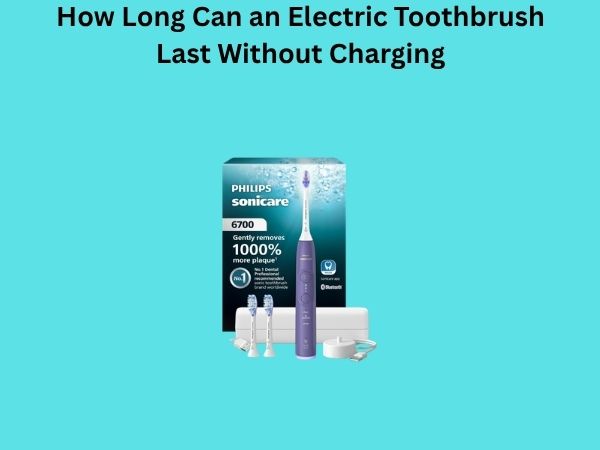
How Long Does Fully Charged Electric Brush Last?
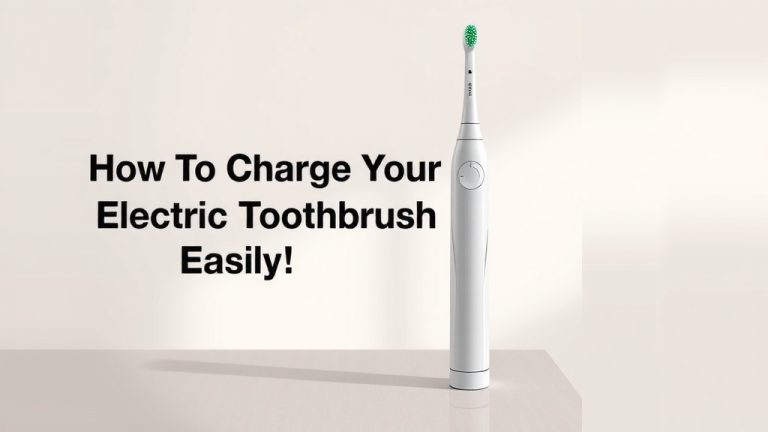
A fully charged electric toothbrush typically lasts for about two weeks on a single charge, though this can vary. You can expect most models to provide around 14 to 30 days of use before needing a recharge. This makes them super convenient for travel!
Factors like the brand of your toothbrush, how often you use it, and the brushing mode you select can all influence battery life. For instance, using an electric toothbrush twice a day for two minutes each time will drain the battery slower than more frequent or longer brushing sessions. We found that higher intensity modes can also use more power.
- Most electric toothbrushes last 2-4 weeks per charge.
- Usage frequency and duration affect battery life.
- Brushing modes can also impact how long the charge holds.
- Always check your specific model’s manual for exact details.
Let’s dive into what affects your electric toothbrush’s charge and how you can get the most out of it!
“`htmlUnderstanding Your Electric Toothbrush Battery Life
So, you’re wondering about how long that fully charged electric toothbrush will keep humming away? It’s a great question, especially if you’re planning a trip or just want to understand your gadget better. Generally, you can count on your electric toothbrush to last anywhere from two to four weeks on a single charge. This is based on typical usage patterns.
But what does “typical usage” really mean? We found that most manufacturers design their toothbrushes for brushing twice a day for two minutes each time. This is often considered the standard for optimal oral hygiene (CDC). If you stick to this routine, you’ll likely get the longest battery life. It’s pretty impressive when you think about it! You get weeks of brushing without needing to hunt for a charger.
What Influences How Long Your Charge Lasts?
While those two to four weeks are a good ballpark, several things can affect your toothbrush’s actual battery performance. It’s not always a one-size-fits-all situation. Think of it like your smartphone battery – usage and settings make a big difference.
Usage Habits: Brushing More, Draining Faster
The most obvious factor is how often and how long you brush. If you’re a diligent brusher, aiming for more than the recommended two minutes, or brushing three or even four times a day, you’re going to use up that battery faster. It’s simple math, really. More brush time means more power consumed.
Brushing Modes: Intensity Matters
Did you know electric toothbrushes come with different modes? You might have a standard clean, a sensitive mode, or even a gum care setting. We found that higher intensity modes, which often vibrate or oscillate more vigorously, tend to draw more power from the battery. So, if you’re constantly using the most powerful setting, expect your charge to deplete a bit quicker.
Brand and Model: Not All Batteries Are Created Equal
Just like smartphones, different brands and models of electric toothbrushes have varying battery capacities and efficiencies. Some high-end models might have larger batteries designed for longer life between charges. Others might focus on a sleeker design, which could mean a slightly smaller battery. We found that checking the specific product details from the manufacturer is your best bet for exact figures.
Age of the Toothbrush: Batteries Don’t Last Forever
Like any rechargeable device, the battery in your electric toothbrush will degrade over time. After a couple of years of regular use, you might notice that it doesn’t hold a charge as long as it did when it was new. This is a natural process for lithium-ion batteries, which are commonly used in these devices. Many experts suggest that battery capacity can decrease by about 20% after several hundred charge cycles (NIH).
Getting the Most Out of Your Electric Toothbrush Battery
Want to maximize the time between charges? You can do a few things to help your electric toothbrush battery go the distance. It’s about being mindful of its usage and maintenance.
Stick to Recommended Brushing Times
The easiest way to preserve battery life is to follow the recommended brushing routine. Two minutes, twice a day, is the gold standard for effective cleaning. Many electric toothbrushes even have built-in timers to help you stay on track. Using these timers ensures you’re brushing effectively without overdoing it on time.
Choose Your Mode Wisely
Unless you have a specific need for a more intense clean, consider sticking to the standard cleaning mode. If your toothbrush offers gentler settings, these will likely use less power. It’s a small adjustment that can add up over weeks of use.
Proper Charging Habits
When it’s time to charge, it’s best to let the battery run down a bit before plugging it in, though modern lithium-ion batteries are less prone to “memory effect” than older types. Still, avoid constant trickle charging if possible. We found that fully charging it and then letting it run until it needs another charge promotes healthier battery longevity over the long term. Also, ensure you’re using the original charger that came with your toothbrush for optimal performance and safety.
Know When to Replace
If you notice your toothbrush consistently dying much faster than it used to, even after a full charge, it might be a sign that the battery is nearing the end of its life. At this point, it might be more cost-effective and environmentally friendly to replace the entire toothbrush rather than trying to repair or replace the battery, especially since replacement parts are often hard to find.
| Factor | Impact on Battery Life | Why it Matters |
|---|---|---|
| Usage Frequency | Shorter | More use = more power drained. |
| Brushing Duration | Shorter | Longer sessions consume more energy. |
| Brushing Mode | Shorter on high-intensity modes | Powerful vibrations use more battery. |
| Battery Age | Shorter over time | Natural battery degradation. |
| Charger Type | Can affect charging efficiency and battery health | Using the correct charger is important. |
Quick Tips for Maximizing Your Charge
Here’s a quick rundown to help you get the most out of every charge:
- Brush for the recommended two minutes, twice a day.
- Use the standard cleaning mode when possible.
- Avoid leaving it on the charger constantly.
- Ensure you’re using the original charging base.
- Keep an eye on how quickly the battery drains over time.
- Replace your toothbrush if the battery life drastically shortens.
Conclusion
So, you’ve learned that your electric toothbrush’s charge is pretty robust, generally lasting two to four weeks with standard use. Remember, factors like how often you brush, which mode you select, and even the age of your toothbrush play a role in battery life. It’s not just about plugging it in and forgetting about it! By following recommended brushing times and choosing your modes wisely, you can help your toothbrush battery go the distance. Your next step? Check your toothbrush’s manual for its specific battery expectations and start making those small adjustments to maximize your charge.
Frequently Asked Questions
How often should I charge my electric toothbrush?
Most electric toothbrushes only need charging every two to four weeks. You’ll know it’s time when the battery indicator light shows it’s low, or you notice a decrease in power. Avoid constantly keeping it on the charging base to help preserve your battery’s long-term health.
Will my electric toothbrush work if the battery is low?
Yes, your electric toothbrush will likely still work when the battery is low, but you might notice a decrease in brushing power or speed. Many models have an indicator light that warns you before the battery completely dies, so you’ll have time to find the charger.
Can I use my electric toothbrush while it’s charging?
Generally, it’s not recommended to use your electric toothbrush while it’s actively charging. While some models might allow this, it can sometimes put extra strain on the battery or charging mechanism, potentially shortening its lifespan.
What should I do if my electric toothbrush battery dies quickly?
If you notice your toothbrush battery is draining much faster than usual, it could be a sign of battery degradation. This is normal after a couple of years of use. Consider checking the manufacturer’s warranty or looking into replacing the toothbrush if the battery life is significantly reduced.
Is it bad to leave my electric toothbrush on the charger all the time?
While modern lithium-ion batteries are more forgiving, leaving your electric toothbrush on the charger constantly isn’t ideal for long-term battery health. It’s best to charge it when needed and remove it once fully charged to prevent unnecessary wear on the battery.
“`