How Long Does Electric Brush Charge Last?
Wondering how long your electric toothbrush charge will last? You can expect most electric toothbrushes to last between one to three weeks on a single charge. Some high-end models might even go longer, giving you plenty of brushing time without constant recharging. It’s a convenient feature for busy lives and travel.
The actual battery life depends on a few things. Things like how often you brush and for how long make a difference. Using different brushing modes can also impact how quickly the battery drains. We’ve found that understanding these factors helps you manage your toothbrush’s power effectively.
- Most brushes last 1-3 weeks.
- Usage frequency matters most.
- Longer brushing times drain power faster.
- Different modes affect battery life.
- Travelers love the long charge duration.
Below, we’ll break down what impacts your electric toothbrush’s charge and give you tips to maximize it.
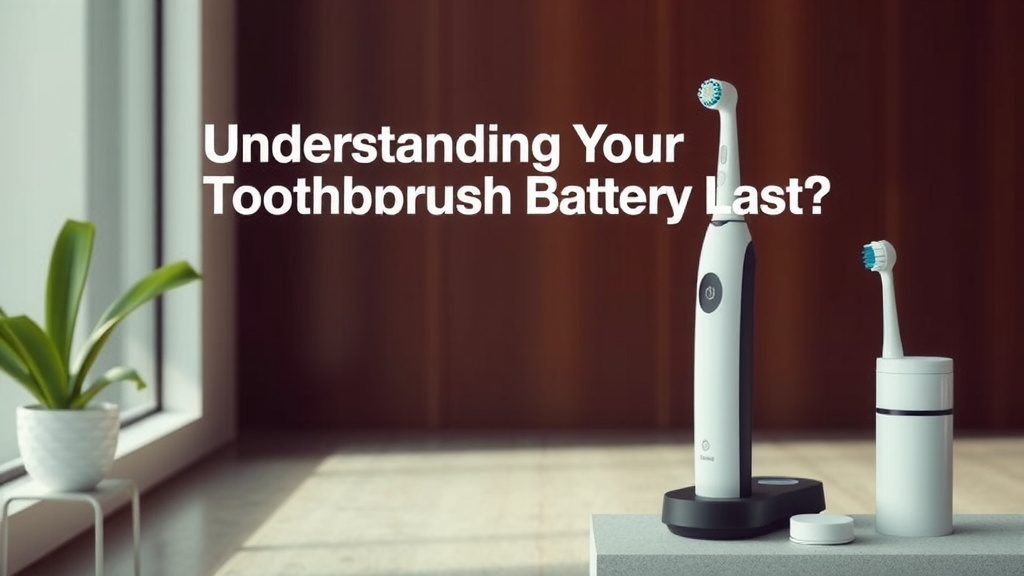
Understanding Your Electric Toothbrush’s Battery Life
So, how long can you actually go between charging your electric toothbrush? Generally, you’re looking at a sweet spot of one to three weeks for most models. This can feel like a small miracle when you’re used to plugging in your phone every single night. Imagine going on a weekend trip and not even packing the charger – that’s the kind of freedom we’re talking about!
This impressive battery duration isn’t just a random number. It’s based on typical usage patterns. Think about brushing twice a day for two minutes each time, as most dental professionals recommend. That’s the benchmark many manufacturers use for their estimates. But, just like your smartphone, how you use it makes a big difference.
Factors That Influence How Long a Charge Lasts
Brushing Frequency and Duration: The Big Two
It might seem obvious, but how often and how long you brush are the biggest players in battery drain. If you’re a diligent brusher, hitting those two minutes twice a day, you’ll likely see results within that 1-3 week window. But what if you tend to brush a little longer? Or maybe you’re someone who likes to sneak in a quick brush after lunch too?
Each extra minute or extra brushing session uses up battery power. It’s like running a marathon versus a short jog; the longer you go, the more energy you expend. So, if your typical brushing session stretches to three minutes, or you add an extra brush, your charge might dip below the average sooner.
Using Different Brushing Modes
Did you know your electric toothbrush might have special modes? Many come equipped with settings like “sensitive,” “whitening,” “gum care,” or even “tongue cleaning.” These modes often operate at different speeds or patterns. Some might use more power than others to achieve their specific cleaning action.
For instance, a vigorous “deep clean” mode might consume more battery than a gentle “gum care” setting. We found that while these modes are fantastic for targeted oral care, using them frequently can subtly reduce how long a single charge lasts. It’s a trade-off for a customized clean, but something to keep in mind.
Brush Head Type and Pressure
While less impactful than brushing time, the type of brush head and how hard you press can also play a small role. Some brush heads are designed for more intensive cleaning, which might require a bit more motor power. More importantly, pressing too hard can strain the motor. Many electric toothbrushes have pressure sensors that alert you, but consistently applying too much force might make the motor work harder, thus using more battery.
Research and found that excessive pressure doesn’t necessarily lead to a cleaner mouth. In fact, it can be detrimental to your gums and enamel (American Dental Association). It can also put a slight extra demand on your toothbrush’s battery. So, let the brush do the work!
Maximizing Your Electric Toothbrush’s Battery Life
Charge When You Need To
Don’t fall into the trap of thinking you need to fully drain the battery before recharging. Modern lithium-ion batteries, common in most electric toothbrushes, don’t suffer from “memory effect.” You can top them up whenever it’s convenient. We found that charging it overnight once a week or whenever the low battery indicator lights up is a good strategy.
Store It Properly
When you’re not using your toothbrush, make sure it’s stored correctly. Most come with a charging base. Keeping the toothbrush on its base when not in use ensures it’s always charged and ready to go. Some people worry about overcharging, but the charging bases are designed to stop charging once the battery is full.
Avoid storing it in extreme temperatures, like a car parked in the sun or a very cold garage. Temperature extremes can affect battery health over the long term. A moderate indoor environment is best for maintaining your toothbrush’s battery.
Use Travel Locks if Available
Many electric toothbrushes have a travel lock feature. This prevents the toothbrush from accidentally turning on if it gets bumped in your luggage. If your toothbrush has this feature, use it! An accidental activation can drain the battery without you even knowing it.
Consider Your Brushing Habits
Be mindful of how long you’re brushing and which modes you’re using. If you find yourself consistently brushing for much longer than two minutes, or constantly using the most powerful cleaning modes, your battery will naturally drain faster. You might find that the standard cleaning mode is perfectly adequate for most of your needs.
What to Expect on the Go: Travel Tips
Traveling with an electric toothbrush is incredibly convenient precisely because of its long battery life. For most trips under two weeks, you can likely leave the charger at home. It’s one less thing to worry about packing and keeping track of.
If you’re planning an extended adventure, say over three weeks, it’s wise to check your toothbrush’s manual or the manufacturer’s website for specific battery performance. Some international travel might require a voltage adapter for the charger, though many newer models are dual-voltage. Always double-check before you go!
Comparing Battery Life Across Brands and Models
It’s not a one-size-fits-all situation. Different brands and even different models within the same brand can have varying battery performances. High-end models often boast longer battery lives, sometimes stretching to four or even six weeks. This is often due to larger battery capacity or more efficient power management.
Here’s a general idea, though always check the specifics for the model you’re interested in:
| Brand/Type | Estimated Battery Life (Weeks) |
|---|---|
| Standard Electric Brush (e.g., Oral-B Vitality) | 1-2 Weeks |
| Mid-Range Electric Brush (e.g., Philips Sonicare 4100 series) | 2-3 Weeks |
| Premium Electric Brush (e.g., Philips Sonicare DiamondClean, Oral-B iO) | 3-6 Weeks |
When choosing a new electric toothbrush, battery life can be a significant factor, especially if you travel frequently or prefer not to charge items constantly. We found that even standard models offer fantastic battery performance compared to older technology.
Troubleshooting Common Battery Issues
Occasionally, you might notice your electric toothbrush isn’t holding a charge as long as it used to. Several things could be happening. First, check if the charging base is properly plugged in and receiving power. Sometimes, a loose connection is the culprit.
Another common issue is battery degradation. Like all rechargeable batteries, the ones in your toothbrush will eventually lose their maximum capacity over years of use. If your brush is several years old and the battery life has significantly decreased, it might be time to consider a replacement or a new battery if the model allows for it. Many experts suggest that a noticeable decline in battery life after 3-5 years of regular use is normal.
Quick Checklist: Keeping Your Toothbrush Powered Up
- Charge on its base regularly.
- Avoid extreme storage temperatures.
- Use travel lock when packing.
- Be mindful of brushing time and modes.
- Check for loose charging base connections.
- Replace old batteries if possible/needed.
Conclusion
You now know that your electric toothbrush charge typically lasts between one to three weeks. You’ve learned that factors like your brushing habits, the modes you use, and even how hard you press can affect this duration. By understanding these elements, you can effectively manage your toothbrush’s power.
Remember to charge when needed and store your brush properly to maintain its battery health. Ready to get the most out of your electric toothbrush? Make these simple tips part of your routine for consistent, worry-free brushing.
Frequently Asked Questions
How can I tell if my electric toothbrush battery is dying?
Most electric toothbrushes have a low battery indicator light that will flash or change color. If your brush starts losing power much faster than usual, or doesn’t hold a charge for more than a few days, the battery may be degrading.
Is it bad to leave my electric toothbrush on the charger all the time?
No, it’s generally not bad. Modern lithium-ion batteries in electric toothbrushes are designed to stop charging once they reach full capacity. Leaving it on the charging base ensures it’s always ready for your next brush.
Can I use my electric toothbrush while it’s charging?
Some electric toothbrushes can be used while charging, but many cannot. Check your toothbrush’s manual to be sure. Using it while charging might also take longer to fully recharge the battery.
Will using a travel adapter affect my toothbrush’s battery life?
Using a travel adapter that correctly matches the voltage requirements for your toothbrush’s charger should not harm the battery. Always ensure the adapter is compatible to avoid damaging the charging system.
How often should I deep clean my electric toothbrush?
You don’t typically need to “deep clean” the battery itself. Focus on cleaning the brush head and the handle regularly with soap and water as recommended by the manufacturer. This keeps the device hygienic and ensures optimal performance.