Electric Toothbrush Head Loose? Why It Keeps Coming Off
Your electric toothbrush head keeps coming off because the connection isn’t secure. This can happen due to worn-out parts, improper attachment, or even a manufacturing defect. It’s frustrating, but usually, there’s a simple fix.
A loose toothbrush head can mean you’re not getting the best clean. It might also feel like a waste of money if it falls off mid-brush. We found that this is a common issue many electric toothbrush owners face. Understanding why it happens is the first step to fixing it.
- The main reason is a loose connection.
- Worn-out components can cause this.
- Sometimes, it’s just not attached correctly.
- There could be a problem with the brush head itself.
Let’s get your toothbrush head staying put so you can get back to that squeaky-clean feeling.
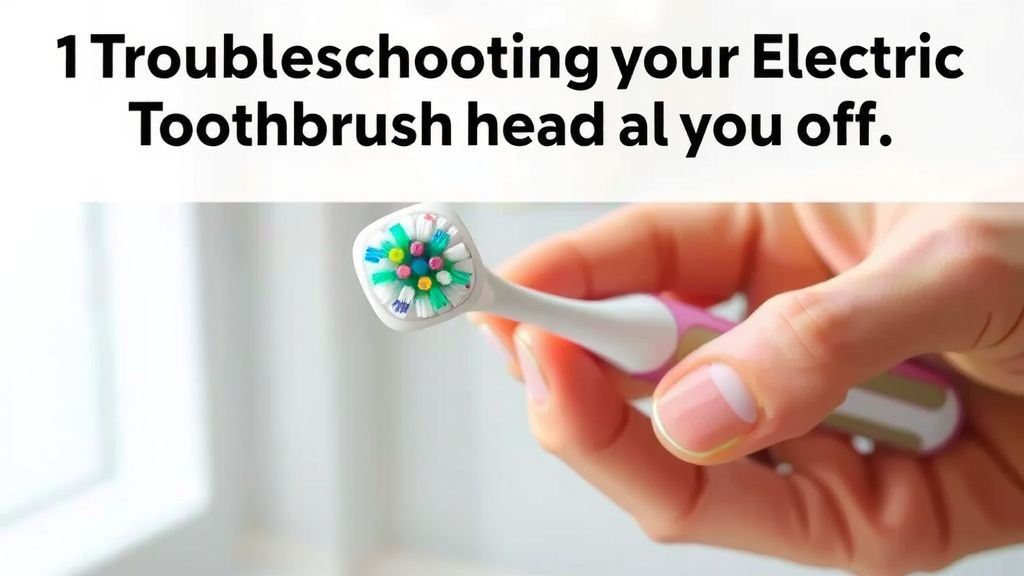
“`htmlTroubleshooting Your Electric Toothbrush Head Woes
If your electric toothbrush head keeps coming off, don’t fret! We’ve researched this common problem and found the usual culprits. It often boils down to a few simple connection issues.
Understanding the Connection: How It Should Work
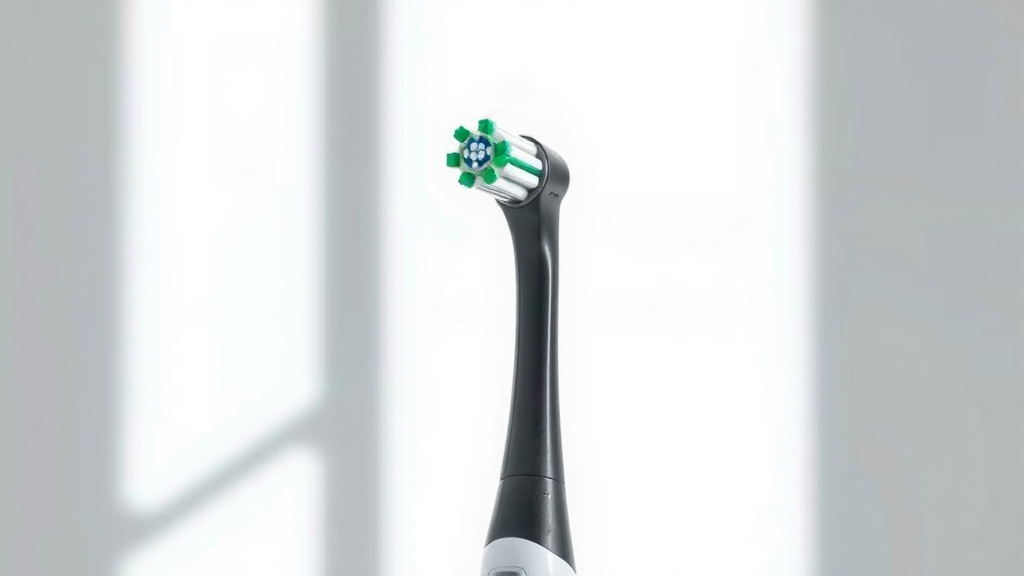
Most electric toothbrush heads attach with a simple, yet secure, mechanism. Think of it like a tiny bayonet mount on a camera lens. You usually push and twist, or just push firmly until it clicks into place.
This connection needs to be snug. A loose fit means the vibrations won’t transfer effectively. That means you’re not getting the best clean possible, and the head might wiggle free.
Common Reasons Your Toothbrush Head Won’t Stay Put
1. Improper Attachment: The “Did You Push It Hard Enough?” Check
This is probably the most frequent reason your toothbrush head might detach. It’s easy to think you’ve got it on securely when it’s just resting there loosely. You need to feel or hear a definite click.
We found that many users aren’t pushing the head onto the handle with enough force. It needs to be seated all the way. Imagine trying to attach a LEGO brick – you need to press until it snaps.
2. Worn-Out Components: When Parts Get Tired
Over time, both the toothbrush handle and the brush head can wear down. The plastic parts that create the locking mechanism can become slightly deformed or smoother.
This is especially true if you’ve been using the same brush head for a long time. Many dental professionals recommend replacing brush heads every 3-4 months (American Dental Association). Old heads lose their bristles and their grip.
3. Debris and Buildup: The Gunk Factor
Toothpaste residue, water minerals, and even tiny bits of food can accumulate around the connection point. This gunk acts like a lubricant or a wedge, preventing a tight fit.
Think of trying to screw a lid onto a jar with sticky jam around the rim. It just won’t seal properly. A clean connection is a secure connection.
4. Damaged Brush Head or Handle: Signs of Wear and Tear
Inspect both the brush head’s metal shaft and the inside of the handle where it connects. Are there any visible cracks, chips, or bent parts?
A slightly bent metal shaft on the brush head can prevent it from seating correctly. Similarly, a crack in the handle’s connection point can cause a loose fit. If you see damage, it might be time for a replacement.
5. Manufacturing Defects: A Rare but Possible Issue
Sometimes, the problem isn’t something you’re doing. It’s possible you received a brush head or handle with a manufacturing flaw. This could mean the alignment is slightly off or a part wasn’t formed correctly.
These issues are less common, especially with reputable brands. However, if you’ve tried everything else and the head still falls off, this is a possibility worth considering.
Steps to Re-Secure Your Electric Toothbrush Head
Let’s get this fixed! Here’s a quick checklist to get your toothbrush head staying put.
- Check the Fit: Firmly push the brush head onto the handle until you hear or feel a click.
- Clean Everything: Rinse both the metal shaft of the brush head and the connection point on the handle under warm water.
- Dry Thoroughly: Make sure both parts are completely dry before reattaching.
- Inspect for Damage: Look for any cracks, bends, or deformities on the head and handle connection.
- Try a New Head: If an old head is worn, a fresh one might solve the problem instantly.
- Contact Support: If the head continues to fall off even with a new head, reach out to the manufacturer.
When to Consider a New Toothbrush Head or Handle
If cleaning and reattaching don’t solve the problem, it’s time to look at replacement parts. Brush heads are designed to be replaced regularly for hygiene and effectiveness.
| Part | Reason for Replacement | Typical Lifespan |
|---|---|---|
| Brush Head | Bristles frayed, head becomes loose, no longer cleans effectively | 3-4 months (or when bristles fray) |
| Handle | Battery won’t hold a charge, connection point is damaged, electronic issues | Several years (depends on model and care) |
We found that most experts agree on the 3-4 month replacement for brush heads (Cleveland Clinic). It’s not just about the head coming off; it’s also about maintaining optimal cleaning power.
If your handle is showing signs of wear, like a connection point that feels loose even with a new head, it might be time to replace the entire unit. A worn handle can cause issues for every brush head you try to attach.
“`
Conclusion
Your electric toothbrush head coming off is usually a simple fix. You’ve learned that a loose connection is the main culprit. This can be due to improper attachment, worn-out parts, or even some buildup. Regularly cleaning and ensuring a firm click when attaching the head are key.
If these steps don’t help, or if you notice damage, it’s likely time for a new brush head. Remember to replace your brush heads every 3-4 months for optimal hygiene and cleaning. Take these steps, and you’ll get back to a secure, effective brushing experience in no time.
Frequently Asked Questions
How do I know if my electric toothbrush head is attached correctly?
You should feel or hear a distinct click when the brush head is properly seated on the handle. If it feels loose or wobbly after attaching, it’s likely not on correctly or there’s another issue at play.
Can toothpaste residue really make my brush head fall off?
Yes, dried toothpaste and mineral deposits can create a slippery surface or a wedge between the handle and the brush head. This buildup prevents a tight, secure connection, similar to how gunk on a lid stops a jar from sealing.
How often should I be replacing my electric toothbrush head?
Most dental professionals recommend replacing your electric toothbrush head every 3 to 4 months. This is also the point where parts may start to wear down, potentially leading to a loose fit, even if the bristles still look okay.
My brush head still comes off after trying everything. What next?
If you’ve ensured proper attachment, cleaned everything, and even tried a brand new brush head without success, there might be a manufacturing defect with the handle itself. Contacting the manufacturer’s customer support is your best next step.
Is it possible to clean the connection point on my toothbrush handle?
Absolutely! You can rinse the metal shaft of the brush head and the connection point on the handle under warm water. Make sure both parts are completely dry before reattaching to ensure a secure fit.