Why Your Electric Toothbrush Pulses Explained
Your electric toothbrush pulses because it’s designed to give you a superior clean. These pulses, often called sonic vibrations or oscillations, work with the brush head movements to effectively remove plaque and debris. Think of them as tiny, powerful waves helping you scrub away all the gunk.
This pulsing action isn’t just for show; it’s a key feature many electric toothbrushes use for better oral hygiene. It helps dislodge food particles and bacteria that might be hiding. Plus, the gentle vibrations can even help stimulate your gums, promoting better blood flow.
- Pulsing helps remove more plaque.
- It works with brush head movements for a better clean.
- The vibrations can stimulate gum health.
- Different patterns offer varied cleaning experiences.
Ready to understand why your brush is doing its little dance? Let’s dive into what makes those pulses happen and how they benefit your smile.
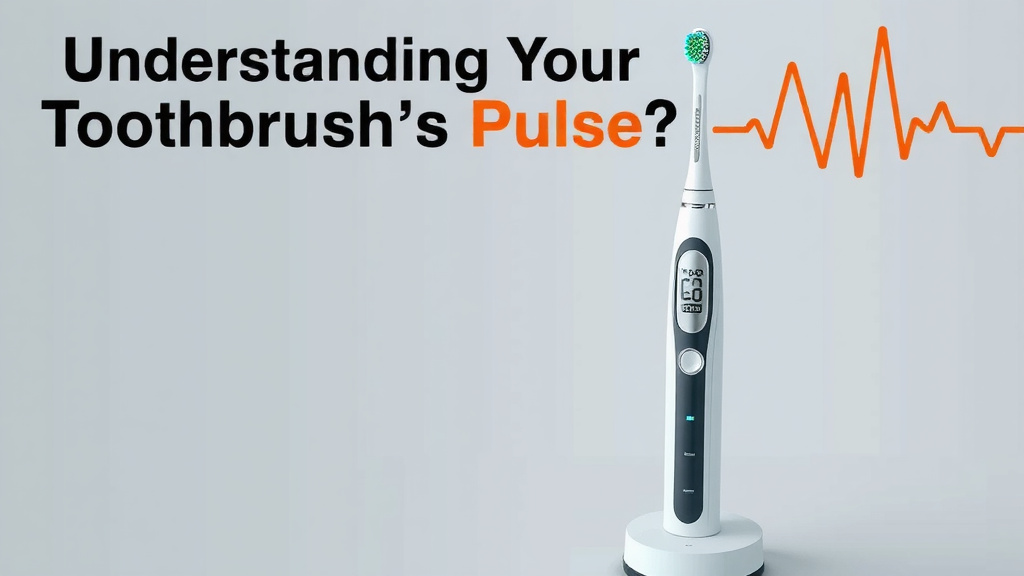
“`htmlUnderstanding Your Electric Toothbrush’s Pulsing Action
Ever wondered what makes your electric toothbrush do that rhythmic buzzing or vibrating? It’s all part of a sophisticated cleaning system. Those pulses are carefully engineered to give you a noticeably cleaner mouth. They aren’t random; they’re a deliberate part of how your toothbrush works to improve your oral health.
How the Pulsing Enhances Cleaning Power
The main goal of pulsing is to **agitate plaque** and food particles. Think of it like a gentle, high-frequency washing machine for your teeth. The rapid movements help to loosen debris. This makes it easier for the brush bristles to sweep them away.
Many brushes combine two types of motion: **oscillations** (back-and-forth) and **pulsations** (in-and-out or vibrations). The pulsing action can reach areas that manual brushing might miss. It creates a dynamic cleaning force that works harder for you.
Sonic vs. Oscillating-Rotating Technology
It’s helpful to know that not all electric toothbrushes pulse in the same way. There are two primary technologies at play, and they feel quite different in your mouth.
- Sonic Technology: These brushes vibrate at very high speeds, creating a “sonic” wave. This motion is designed to drive fluid between teeth and along the gumline. It’s a gentler, more sweeping feeling. Many sonic toothbrushes pulse rather than physically move the brush head in large arcs.
- Oscillating-Rotating Technology: These brushes have small, round brush heads that rotate back and forth, and often also move in a pulsating motion. This feels more like a direct scrubbing action. The brush head does most of the work.
The Science Behind the Vibrations
The pulsing you feel is generated by a small motor inside the toothbrush handle. When you turn the brush on, this motor spins or vibrates rapidly. This energy is transferred to the brush head. The design ensures that this motion is optimized for cleaning without being harsh.
Researchers have found that electric toothbrushes are generally more effective than manual ones at removing plaque. A major reason for this is the consistent power and motion provided by the motor. You don’t have to worry about your technique as much.
Understanding Brush Head Movements
The way the brush head moves is key. For sonic brushes, the high-frequency vibrations create the cleaning action. For oscillating-rotating brushes, the spinning head does the scrubbing. Some advanced models might even combine both types of movement. This means your brush is actively working on multiple levels to clean your teeth.
Benefits of Pulsing for Your Gums
Beyond just cleaning your teeth, the pulsing action can also be good for your gums. The gentle vibrations can help to stimulate gum tissue. This stimulation can improve blood circulation in the gums. If you’re concerned about gum health, understanding the best electric toothbrush for gum disease can help.
Good blood flow to the gums is important for their overall health. It helps keep them firm and can reduce the risk of gum disease. The American Dental Association (ADA) notes that proper brushing technique is essential for gum health. Electric toothbrushes can make achieving that technique easier.
A Gentle Massage for Your Gums
Imagine your gums getting a light, invigorating massage every time you brush. That’s essentially what the pulsing can do. It’s a pleasant side effect that contributes to healthier gums over time. This is especially helpful for people who tend to brush too hard with manual brushes.
Different Pulse Patterns for Varied Needs
Many modern electric toothbrushes offer different brushing modes or intensity settings. These variations often translate to different pulsing patterns or speeds. You might see modes like ‘Clean,’ ‘Whiten,’ ‘Gum Care,’ or ‘Sensitive.’
For example, a ‘Sensitive’ mode will likely use a gentler, slower pulse. A ‘Whitening’ mode might use a more vigorous, varied pulse to help polish tooth surfaces. This customization allows you to tailor your brushing experience to your specific oral care needs on any given day.
Choosing the Right Mode for You
If your toothbrush has multiple modes, experiment with them. If you have sensitive gums or teeth, start with a gentler setting. If your dentist has recommended specific areas to focus on, like gum care, try that mode. It’s all about finding what feels best and provides the cleanest result for you.
| Feature | How It Works | Benefit |
|---|---|---|
| High-Speed Vibrations | Motor creates rapid back-and-forth or in-and-out movements. | Loosens plaque and debris effectively. |
| Fluid Dynamics | Sonic waves push toothpaste and water into tight spaces. | Cleans beyond bristle reach, along the gumline. |
| Gum Stimulation | Gentle vibrations massage gum tissue. | Improves gum circulation and health. |
| Variable Modes | Adjusts speed and pattern of pulses. | Offers tailored cleaning for different needs (sensitive, whitening). |
Tips for Maximizing Your Pulsing Toothbrush’s Effectiveness
To get the most out of your pulsing electric toothbrush, remember a few key things. It’s not just about letting the brush do all the work. You still play an active role in your cleaning routine.
- Let the brush do the work: Don’t scrub vigorously. Gently guide the brush head from tooth to tooth.
- Angle correctly: Aim the bristles towards the gumline at about a 45-degree angle.
- Spend enough time: Most dentists recommend brushing for two minutes. Many electric toothbrushes have built-in timers to help with this.
- Replace brush heads: Worn-out bristles won’t clean effectively. Follow the manufacturer’s recommendation for replacement, usually every 3 months.
- Don’t forget all surfaces: Ensure you cover the outer, inner, and chewing surfaces of all your teeth.
These simple steps, combined with the pulsing action of your electric toothbrush, will help you achieve a superior clean. Your mouth will feel fresher, and your dentist will likely notice the difference at your next check-up.
“`
Conclusion
Your electric toothbrush’s pulsing isn’t just a feature; it’s your partner in achieving a cleaner, healthier smile. These vibrations work diligently to break up plaque and debris, reaching areas manual brushes often miss. Whether you’re using sonic technology or oscillating-rotating power, the core benefit is a more effective clean that also supports gum health through gentle stimulation. By understanding how these pulses work and following simple best practices like proper angling and timely brush head replacement, you can maximize the benefits. Make sure to experiment with different modes if your brush offers them, tailoring your routine for optimal results.
Ready to feel the difference? Next time you brush, pay attention to the pulsing action and how it helps you achieve that fresh-from-the-dentist feeling. Your smile will thank you!
Frequently Asked Questions
Why does my electric toothbrush pulse even when I’m not moving it?
The pulsing action is a core function of how the electric toothbrush is designed to clean. The motor inside generates these vibrations or oscillations to actively dislodge plaque and food particles. It’s meant to clean your teeth effectively, even if you hold it still briefly on each tooth surface.
Can the pulsing of my electric toothbrush damage my teeth or gums?
No, when used correctly, the pulsing action is designed to be safe for both your teeth and gums. Research indicates that electric toothbrushes, including those with pulsing, are generally more effective at plaque removal than manual ones without causing harm. Always follow the manufacturer’s guidelines and your dentist’s advice.
Does a faster pulse mean a better clean?
Not necessarily. Different pulse speeds and patterns are often designed for different cleaning modes, like sensitive or whitening. A faster pulse might be more intense, but a gentler pulse can still be very effective, especially for gum care. It’s about the right pattern for your needs, not just speed.
What’s the difference between a pulsing electric toothbrush and one that just vibrates?
While the terms can sometimes be used interchangeably, “pulsing” often refers to the in-and-out movement of sonic toothbrushes, creating fluid dynamics that clean beyond bristle reach. “Vibrations” can describe the high-frequency movements common in sonic brushes or the gentler movements in some other types. Both aim to improve cleaning efficacy compared to manual brushing.
My toothbrush pulses differently in ‘Gum Care’ mode. Why?
The pulsing pattern changes in different modes to suit specific oral care goals. In ‘Gum Care’ mode, the pulsing is often gentler and may be designed to stimulate gum tissue more effectively. This gentle massage can improve blood flow to your gums, contributing to better gum health.