Electric Toothbrush Mold: What Causes It & How To Stop It
Your electric toothbrush might be getting moldy because of moisture and leftover toothpaste. These create the perfect damp environment for mold to grow, especially on the brush head and handle. It’s a common issue that happens when your toothbrush doesn’t dry out completely between uses.
That fuzzy, often black or green, buildup is usually a sign of mold or mildew. It thrives in warm, wet places, making your bathroom sink a prime spot. Proper cleaning and drying are key to preventing this yucky growth and keeping your toothbrush hygienic and safe to use.
- Mold loves damp spots.
- Toothpaste residue feeds it.
- It needs a good dry.
- Cleaning is your best defense.
Below, we’ll break down why this happens and what you can do to keep your electric toothbrush looking and smelling fresh.
Understanding the Moldy Electric Toothbrush Phenomenon
It might seem a bit alarming to find fuzzy spots on your toothbrush. But don’t worry, it’s a pretty common issue many people face. Your electric toothbrush can get moldy due to a perfect storm of moisture and leftover toothpaste. These two things create a cozy, damp environment where mold spores, which are everywhere, can happily settle in and grow.
The main culprits are the brush head and the handle. These areas often trap water. When your toothbrush doesn’t get a chance to dry out completely between uses, mold can start to form. This fuzzy growth, often black, green, or even sometimes gray, is usually mold or mildew. It absolutely thrives in warm, wet places. Bathrooms, with their regular moisture from showers and sinks, are practically mold buffets.
Why Moisture is Mold’s Best Friend
Mold needs moisture to survive and multiply. Think of it like this: if you leave a wet sponge sitting around, it doesn’t take long before it starts to smell funky and might even look a bit fuzzy. Your electric toothbrush is no different. After you brush your teeth, there’s always some water left on the brush head and the handle.
Electric toothbrushes have nooks and crannies. These small spaces can hold onto water. Even a tiny amount of persistent dampness is enough for mold to get a foothold. When you store your toothbrush in a holder, especially one that doesn’t allow for good airflow, you’re essentially creating a little terrarium for mold. It’s a recipe for a less-than-hygienic situation.
The Role of Toothpaste Residue
Beyond just water, toothpaste itself can feed mold. Toothpaste contains sugars and other organic compounds. These act as a food source for mold and bacteria. When you finish brushing, there’s usually a bit of toothpaste left behind on the bristles and around the brush head attachment. If this residue isn’t rinsed away thoroughly, it can become a tasty meal for mold.
You might notice that certain areas, like where the brush head connects to the handle, are particularly prone to this gunk. This is where toothpaste and water can mix and create a sticky paste. This paste is not only unsightly but also provides an ideal breeding ground. Rinsing your toothbrush well after each use is one of the most important steps you can take. It removes both the moisture and the food source.
Storage Secrets: Where You Keep It Matters
Where you store your electric toothbrush plays a huge role. Many of us keep our toothbrushes right by the sink. This is convenient, but it’s also the dampest part of the bathroom. Humid air from showers can settle on your toothbrush. If it’s in a closed container or a holder without good ventilation, that trapped moisture can’t escape.
Research in dental hygiene often points out that storing toothbrushes in a way that allows them to dry completely is key. Keeping them upright is a good start. This lets water drain away. However, if the holder itself traps water, you’re still facing issues. Some experts suggest storing them in a well-ventilated area, perhaps even out of the bathroom if your bathroom is particularly humid (Mayo Clinic).
How to Prevent Mold on Your Electric Toothbrush
The good news is that preventing mold is totally achievable. It mostly comes down to a few simple habits. Think of it as giving your toothbrush the best chance to stay clean and fresh.
The Power of a Thorough Rinse
After every brushing session, give your toothbrush head a good rinse under running water. Make sure to rinse both the bristles and the area where the brush head connects to the handle. This helps wash away any leftover toothpaste and loose debris. A quick rinse might not be enough if there’s sticky residue.
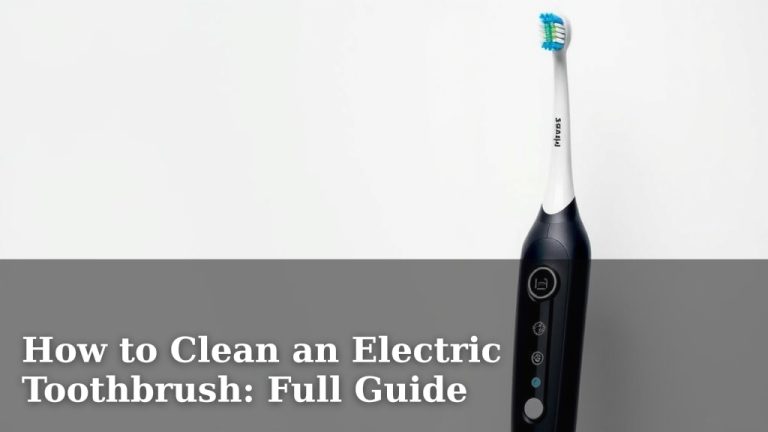
Try running the water over the bristles for a good 10-15 seconds. You want to ensure all toothpaste and debris is gone. If you can, detach the brush head and rinse both parts separately. This ensures no hidden spots are missed. Many dental professionals recommend this simple step as a primary defense against germ buildup (CDC).
Drying is Non-Negotiable
Once rinsed, it’s crucial to let your toothbrush dry completely. Don’t just put it back in its holder wet. Shake off any excess water first. Then, store it in a way that air can circulate around it. Storing it upright in an open holder is a common and effective method.
Some people even use a clean cloth or paper towel to gently pat the brush head dry. This might sound a bit extra, but it can make a real difference. Allowing for maximum airflow will help evaporate any remaining moisture. If your toothbrush comes with a travel case, avoid putting it away in the case while it’s still damp. That’s a sure way to trap moisture.
Ventilation is Your New Best Friend
Think about where your toothbrush spends its downtime. Is it crammed in a cup with other toothbrushes? Is it in a closed cabinet? Good ventilation is key to preventing mold. Airflow helps dry things out, which is mold’s enemy.
Consider an open-top toothbrush holder. These allow air to circulate freely. If you store your toothbrushes in a drawer or cabinet, make sure it’s not overly humid in there. Sometimes, simply leaving the cabinet door ajar for a while after brushing can help. We found that ensuring at least one side of the toothbrush is exposed to air is beneficial.
Regular Cleaning and Replacement
Even with the best drying habits, your toothbrush can still benefit from a deeper clean now and then. You should also know when it’s time for a replacement.
Deep Cleaning Your Toothbrush
A weekly deep clean can help keep things extra fresh. You can soak the brush head in an antiseptic mouthwash for a few minutes. Alternatively, a soak in a diluted hydrogen peroxide solution (about 3% hydrogen peroxide mixed with water) can help kill mold spores. Just be sure to rinse it very thoroughly afterward.
Some electric toothbrush manufacturers offer sanitizing units, often with UV light. These can be effective. However, they aren’t a replacement for basic rinsing and drying. Many dentists suggest that even with regular cleaning, replacing your brush head is important. It’s part of good oral hygiene.
When to Say Goodbye to Your Brush Head
Manufacturers and dental associations recommend replacing your electric toothbrush head every three to four months. If the bristles look frayed or worn before then, you should replace it sooner. Frayed bristles aren’t as effective at cleaning your teeth anyway. Also, if you’ve been sick, it’s a good idea to replace your brush head. This helps prevent re-infection.
Visible mold is definitely a sign it’s time for a change. Don’t try to scrub it all off if it’s deeply ingrained. It’s better to err on the side of caution when it comes to oral hygiene. Think of your toothbrush head like a tool that needs regular maintenance and eventual replacement.
A Quick Checklist for a Mold-Free Toothbrush
To help you remember the key steps, here’s a simple checklist:
- Rinse your brush head thoroughly after every use.
- Shake off excess water.
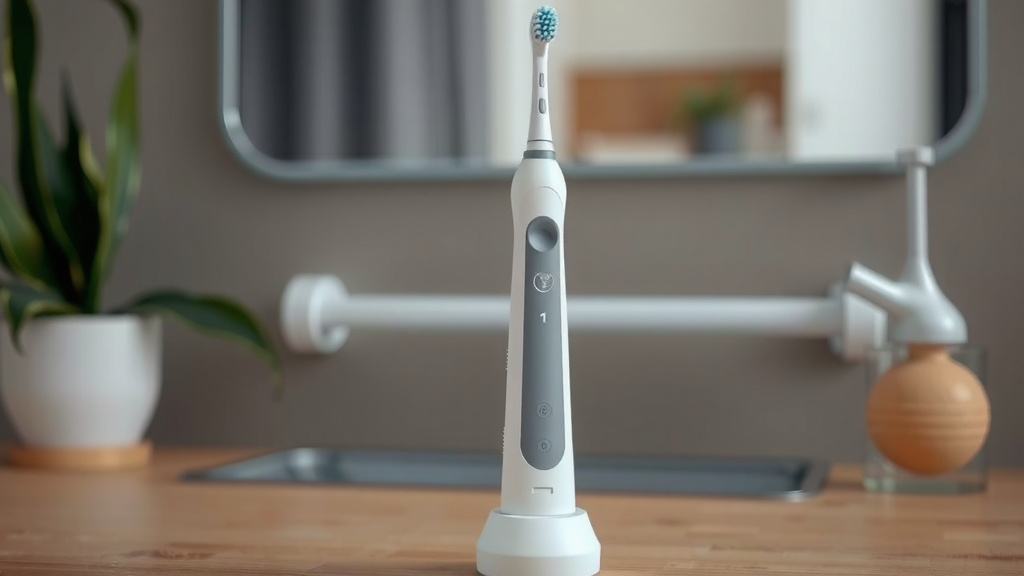
- Store upright in an open, well-ventilated holder.
- Allow the brush head to air dry completely between uses.
- Clean your toothbrush holder regularly.
- Replace your brush head every 3-4 months, or sooner if needed.
Conclusion
It’s clear that mold on your electric toothbrush isn’t a mystery, but a simple result of moisture and leftover toothpaste. By understanding how these elements create a breeding ground, you can easily take steps to prevent it. The key is consistent good habits: a thorough rinse after each use, ensuring it dries completely, and proper storage with good airflow. Think of these small actions as your defense against unwanted fuzz.
Make these practices a part of your daily routine, and you’ll keep your toothbrush hygienic and ready for a healthy smile. Start today by giving your brush head an extra good rinse!
Frequently Asked Questions
Is mold on my electric toothbrush dangerous?
While typically not life-threatening, ingesting mold can cause allergic reactions or respiratory issues in some people. Visible mold is a clear sign your toothbrush is not hygienic. It’s best to avoid using it and replace the brush head to maintain good oral health.
Can I just wash the mold off my electric toothbrush?
Scrubbing visible mold might remove some of it, but it doesn’t guarantee all spores are gone. Mold can deeply embed itself in bristles or small crevices. For your safety and oral hygiene, it’s always recommended to replace the brush head when you see mold.
How often should I deep clean my electric toothbrush head?
You should perform a deeper clean of your toothbrush head about once a week. Soaking it in antiseptic mouthwash or a diluted hydrogen peroxide solution can help kill germs. Remember to rinse it very thoroughly afterward and always follow up with regular drying.
What’s the best way to store my electric toothbrush to prevent mold?
The best method is to store your toothbrush upright in an open holder that allows for good air circulation. This lets it dry completely between uses. Avoid closed containers or drawers where moisture can get trapped and encourage mold growth.
My toothbrush holder is also getting moldy. What should I do?
You need to clean your toothbrush holder regularly, ideally weekly. Wash it with soap and water, and consider soaking it in a diluted bleach or vinegar solution to kill any mold spores. Ensure the holder itself dries completely before placing your toothbrush back in it.