How to Clean an Electric Toothbrush: Full Guide
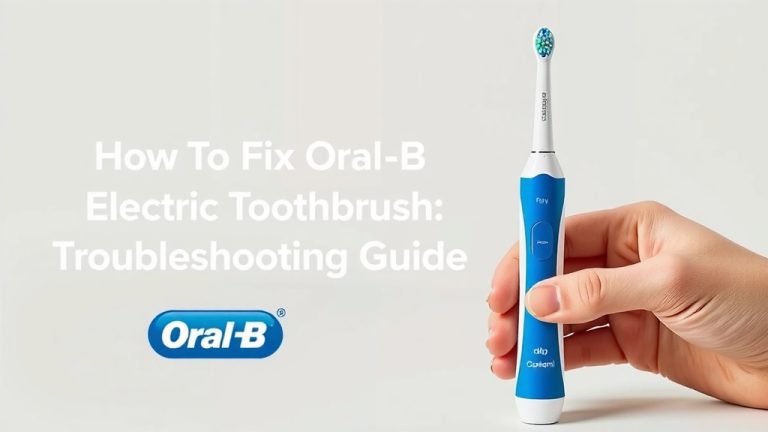
The best way to clean your electric toothbrush is by rinsing the brush head under warm water after each use. You should also regularly wipe down the handle and charging base. Keeping your electric toothbrush clean ensures better hygiene and can help it last longer. It’s simpler than you think!
A clean toothbrush is essential for effective oral hygiene. Over time, toothpaste residue and bacteria can build up. This buildup can affect the performance of your toothbrush and may not be great for your health. We found that a little regular maintenance goes a long way.
- Rinse the brush head after every use.
- Wipe the handle and charging base regularly.
- Replace brush heads as recommended.
- Deep clean every few weeks for best results.
Ready to give your toothbrush the spa treatment it deserves? Below, we’ll walk you through exactly how to clean your electric toothbrush, step by step.
Keeping Your Electric Toothbrush Sparkling: A Simple Routine
You’ve invested in an electric toothbrush for a superior clean. Now, let’s make sure it stays that way! A little regular care keeps your toothbrush performing at its best. It also prevents nasty buildup. We found that a consistent cleaning habit is key. This guide will show you how to maintain your electric toothbrush. You’ll keep it hygienic and extend its lifespan with simple steps.
Daily Care: The Brush Head’s Best Friend
After every brushing session, the most important thing you can do is rinse the brush head. This is where most of the action happens, after all. Rinsing under **warm running water** removes toothpaste and debris. Let the water flow over the bristles for at least 20-30 seconds. Make sure to get between the bristles.
How to Properly Rinse Your Brush Head
Don’t just give it a quick splash. Hold the brush head under the tap. Move it around gently. This helps dislodge any clinging particles. Some people even angle the brush head. This ensures water reaches all surfaces. It’s a small step that makes a big difference. It prevents dried toothpaste from hardening.
Drying Your Brush Head
Once rinsed, shake off excess water. Then, store your brush head upright. Allow it to air dry completely. Avoid covering it or storing it in a closed container while wet. Moisture trapped can encourage **bacteria growth**. Many electric toothbrush models come with a travel case. Only use this once the brush head is fully dry.
Weekly Maintenance: Cleaning the Handle and Base
Your brush head isn’t the only part that needs attention. The handle and the charging base can also accumulate grime. We found that a quick wipe-down once a week is usually enough. This keeps things looking fresh and sanitary.
Cleaning the Toothbrush Handle
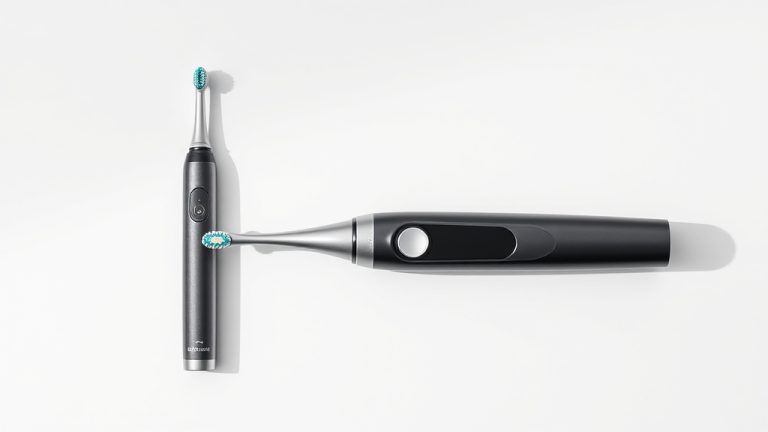
First, ensure your toothbrush is **unplugged or removed from the charger**. Never immerse the handle in water. Use a damp cloth to wipe down the entire handle. You can use a mild soap if needed. For stubborn spots, a soft-bristled brush (like an old toothbrush) can help. Pay attention to grooves or textured areas. These are prime spots for gunk to hide.
Removing Toothpaste Residue
Toothpaste can leave a sticky film. A damp cloth usually takes care of this. If it’s really caked on, a bit of rubbing alcohol on a cotton swab can work wonders. Just be sure to wipe it clean with a damp cloth afterward. This ensures no residue is left behind. It also prevents any potential damage to the handle’s finish.
Cleaning the Charging Base
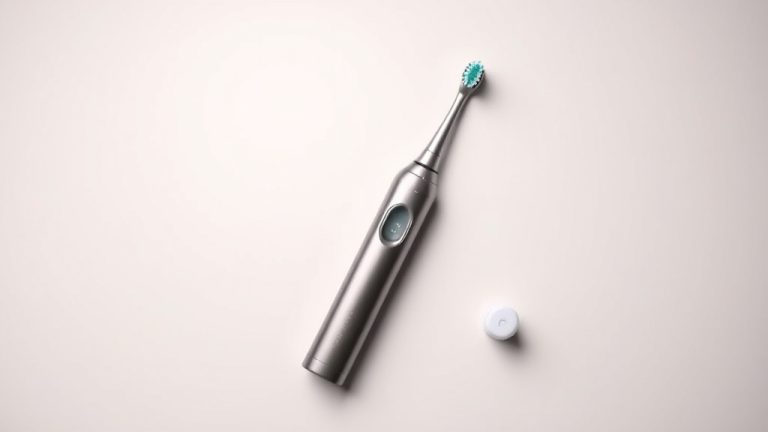
The charging base can also get a bit grimy. Wipe it down with a damp cloth. For the charging port, use a dry cotton swab. Make sure it’s clean and dry. Avoid getting water near the electrical components. Many bases have a small stand for the brush head. This part can often be removed for easier cleaning. Check your toothbrush manual for specific instructions. A clean base means a clean connection for charging.
Deep Cleaning: A Bi-Weekly Refresh
Every couple of weeks, you might want to give your electric toothbrush a more thorough clean. This is especially true if you notice any discoloration or persistent residue. It’s like giving your toothbrush a spa day!
Detachable Parts: The Soak Method
Some electric toothbrush models have brush heads that detach. You might also have other detachable components. For these parts, a gentle soak can be effective. Fill a small bowl with warm water. You can add a tiny amount of mild dish soap or a drop of hydrogen peroxide. Submerge the detachable parts. Let them soak for about 10-15 minutes. This helps loosen any buildup. After soaking, rinse them thoroughly. Then, let them air dry completely. Many dental professionals suggest this approach for thorough sanitation (CDC).
Stubborn Buildup on the Handle
If you have particularly stubborn buildup around the neck of the toothbrush head where it connects to the handle, try this. Use a toothpick or a dental pick very gently. Scrape away the residue. Be careful not to scratch the handle. Follow up with a damp cloth. This step targets those hard-to-reach areas.
Brush Head Replacement: Don’t Forget This Step!
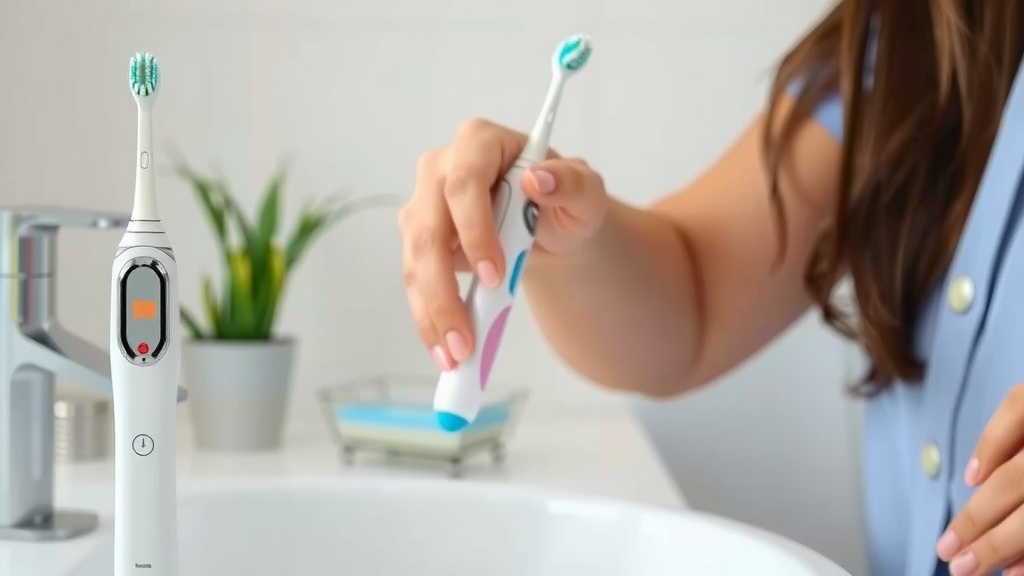
While not technically cleaning, replacing your brush head is **vital for hygiene and effectiveness**. Over time, bristles fray and wear down. This reduces their cleaning power. Most manufacturers recommend replacing brush heads every three months. Some dentists suggest replacing them sooner if the bristles look worn. This also applies if you’ve been sick. Replacing the brush head ensures you’re always brushing with optimal bristle effectiveness. It’s a small change that maintains your **oral health goals**.
Quick Cleaning Checklist
- Rinse brush head thoroughly after each use.
- Shake off excess water and allow brush head to air dry.
- Wipe down toothbrush handle with a damp cloth weekly.
- Clean the charging base with a dry or slightly damp cloth.
- Deep clean detachable parts every two weeks if applicable.
- Replace brush heads every 3 months, or sooner if bristles fray.
Conclusion
You’ve learned how simple it is to keep your electric toothbrush clean and working its best. Regular rinsing after each use is key. A quick weekly wipe-down of the handle and base prevents buildup. And don’t forget to replace your brush heads on schedule!
By following these easy steps, you ensure optimal oral hygiene and extend the life of your toothbrush. Making these small habits part of your routine guarantees a cleaner smile and a healthier mouth. Ready to put your sparkling toothbrush to good use? Start with your next brushing session!
Frequently Asked Questions
How often should I replace my electric toothbrush head?
Most manufacturers recommend replacing your electric toothbrush head every three months. You should also consider replacing it sooner if you notice the bristles are frayed or worn down. If you’ve been sick, it’s a good idea to swap it out for a fresh one.
Can I use soap to clean my electric toothbrush handle?
Yes, you can use a mild soap to clean your toothbrush handle. Just make sure the toothbrush is unplugged or removed from the charger first. Never submerge the handle in water. Wipe it down with a damp cloth, and if using soap, follow up with a clean, damp cloth to remove any residue.
What’s the best way to dry my electric toothbrush head?
After rinsing your brush head, shake off any excess water. Then, let it air dry completely. Store it upright where it can get good air circulation. Avoid storing it in a closed container or case while it’s still wet, as this can encourage bacterial growth.
My charging base looks a bit dirty. How can I clean it?
You can wipe down your charging base with a slightly damp cloth. For the charging port itself, use a dry cotton swab to clean it. Be very careful to avoid getting any water near the electrical components of the base. Refer to your toothbrush manual for specific cleaning instructions.
Is it okay to soak my electric toothbrush parts?
You can soak detachable parts like brush heads or other components in warm water for about 10-15 minutes. Adding a tiny bit of mild dish soap or hydrogen peroxide can help loosen buildup. Always rinse them thoroughly afterward and allow them to air dry completely before reassembling or using.