How Do Electric Toothbrush Chargers Work?
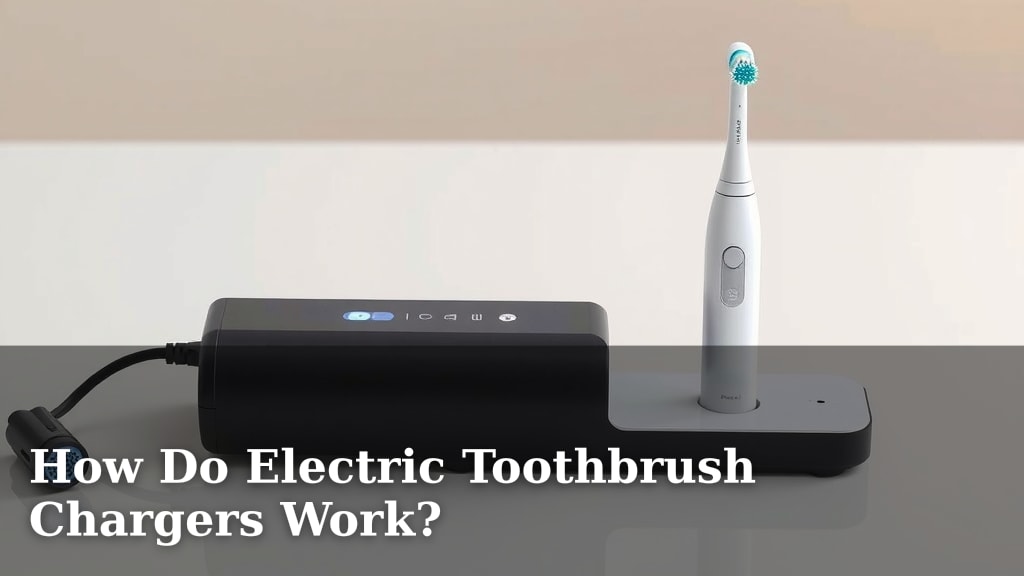
Electric toothbrush chargers typically work using inductive charging, which means they transfer power wirelessly. Your toothbrush doesn’t need direct metal-to-metal contact to charge up its battery. This safe and effective method keeps your brush powered for countless cleanings.
It’s pretty neat how this technology allows your toothbrush to charge without any exposed metal parts that could be damaged by water. The charging base uses electromagnetic fields to send energy to a coil inside your toothbrush handle. This convenient charging system is designed for a bathroom environment.
- Electric toothbrush chargers use wireless inductive charging.
- Power is transferred via electromagnetic fields.
- This avoids direct metal contact, making it safe for bathrooms.
- A coil inside the toothbrush receives the energy.
Let’s dive into the simple science behind how your electric toothbrush gets its juice and why it’s so easy to keep it ready to go.
The Science Behind Your Electric Toothbrush’s Power-Up
Ever wonder how your electric toothbrush charger magically brings your toothbrush back to life? It’s not magic, but it’s pretty close! Your charger uses a clever method called inductive charging to send power wirelessly. This means you don’t need to plug anything directly into your toothbrush. It’s a smart design perfect for a bathroom setting.
Understanding Inductive Charging: It’s All About Magnetism
At its core, inductive charging relies on a fundamental principle of physics: electromagnetism. When electricity flows through a wire, it creates a magnetic field around it. If you have another coil of wire nearby, that magnetic field can induce an electric current in the second coil. This is the basic idea your toothbrush charger uses.
The Charger’s Role: Creating the Magnetic Field
Your charging base contains a coil of wire. When you plug the base into the wall outlet, electricity flows through this coil. This creates a fluctuating electromagnetic field around the charging base. Think of it like an invisible bubble of energy being generated. This field is harmless and contained within the charger.
The Toothbrush’s Role: Capturing the Energy
Inside your electric toothbrush handle, there’s a second coil of wire. When you place your toothbrush onto the charging base, this coil lines up with the charger’s coil. The fluctuating electromagnetic field from the base passes through the toothbrush’s coil. This interaction then induces an electric current within the toothbrush’s coil.
Turning Electricity Back into Usable Power
That induced electric current isn’t quite ready to power your toothbrush’s motor and battery yet. It needs a little more work. Within the toothbrush, there are electronic components that take this induced current and convert it into the direct current (DC) needed to charge the internal battery.
The Battery Gets a Boost
Once the power is converted to the correct type, it’s directed to the rechargeable battery inside your toothbrush. The battery stores this energy, ready for your next brushing session. This whole process happens without any direct electrical connection, which is why it’s so safe to use in wet bathroom environments.
Why This Wireless Method is So Smart for Toothbrushes
The biggest advantage of inductive charging is its safety and convenience. Bathrooms are inherently wet places. Having exposed metal charging ports on a toothbrush would be a hazard. Inductive charging eliminates this risk entirely. You can rest assured that you won’t get a shock.
No More Fiddling with Cords
Think about how simple it is. You just place your toothbrush on its stand when you’re done brushing. There’s no hunting for the right cable or trying to plug it in while your hands are wet. This ease of use encourages you to keep your toothbrush charged and ready to go. It’s a small detail that makes a big difference in your daily routine.
Designed for the Bathroom Environment
Manufacturers specifically design these chargers to be water-resistant. The charging base usually has a sealed unit. This prevents water from getting into the electrical components. The toothbrush handle itself is also designed to be watertight. This allows for easy cleaning under running water. The wireless charging method is key to achieving this level of water resistance.
Comparing Charging Methods: What Makes Inductive Special?
You might be familiar with other charging methods. Most phones and laptops use direct plug-in chargers. Some newer devices use Qi wireless charging pads, which are a form of inductive charging, but often with more power. Electric toothbrushes use a simplified version optimized for lower power and higher durability.
| Charging Type | How it Works | Pros for Toothbrushes | Cons for Toothbrushes |
|---|---|---|---|
| Direct Plug-in | Metal prongs connect to a port. | Can be faster charging. | Water hazard, ports can wear out or get clogged. |
| Inductive (Electric Toothbrush) | Electromagnetic fields transfer power wirelessly. | Very safe for bathrooms, no exposed ports, durable. | Slightly slower charging, requires specific charger base. |
As you can see, the benefits of inductive charging strongly outweigh the minor drawbacks for a device like an electric toothbrush. The focus on safety and longevity is clear.
Keeping Your Toothbrush Charged: A Simple Checklist
Ensuring your electric toothbrush stays charged is easy. Follow these simple steps:
- Place your toothbrush on the charging base after each use.
- Ensure the base is plugged into a working electrical outlet.
- Wipe down the bottom of your toothbrush handle occasionally.
- Check that the charging indicator light on your toothbrush or base is on.
- Read your toothbrush manual for specific charging times.
- Replace the charger if it stops working after several years.
Conclusion
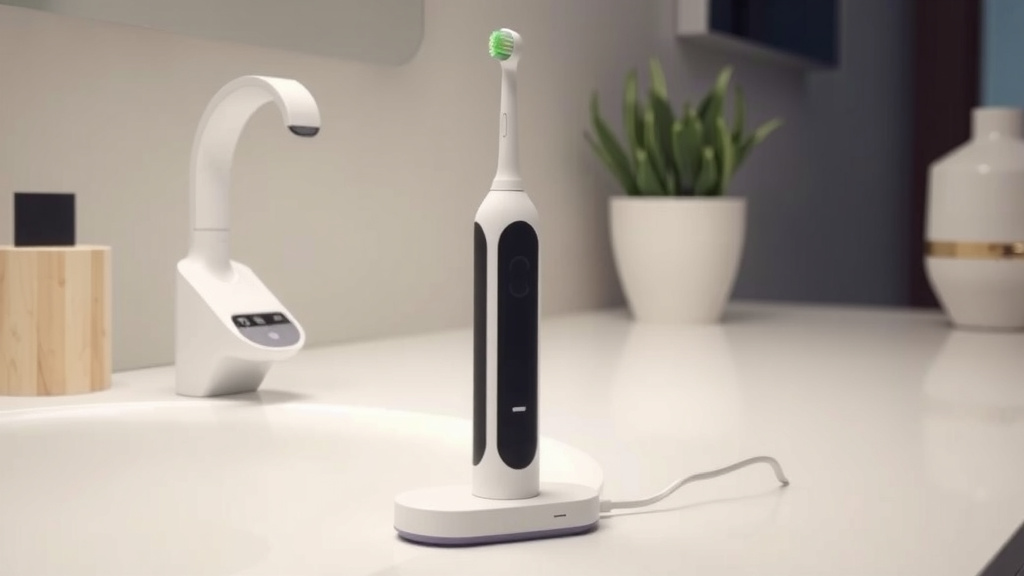
You’ve now seen how your electric toothbrush charger works its magic through inductive charging. It cleverly uses magnetic fields to send power wirelessly, keeping your toothbrush safe and ready without any risky plugs. This design is perfect for your bathroom, making charging as simple as setting your brush down. Just remember to place your toothbrush on its base after each use and ensure it’s plugged in. Keeping up this habit will ensure your toothbrush is always powered for your next clean smile.
Frequently Asked Questions
Can I use any electric toothbrush charger with my toothbrush?
Generally, it’s best to use the charger that came with your specific electric toothbrush model. While some chargers might look similar, they can have different power outputs or connection types. Using an incompatible charger could damage your toothbrush’s battery or charging system.
How often should I charge my electric toothbrush?
Most modern electric toothbrushes can last for several days or even weeks on a single charge. It’s a good habit to place your toothbrush on its charging base after each use. This way, it stays topped up and you won’t have to worry about it running out of power unexpectedly.
Is it safe to leave my electric toothbrush on the charger all the time?
Yes, for most electric toothbrushes, it is perfectly safe to leave them on the charging base even when fully charged. The chargers are designed with smart technology to prevent overcharging, which could harm the battery. Leaving it on the charger ensures it’s always ready when you need it.
Why does my electric toothbrush charger sometimes get warm?
It’s normal for the charging base or the bottom of your toothbrush to feel slightly warm during charging. This is a natural result of the energy transfer process through electromagnetic fields. As long as it doesn’t feel excessively hot, it’s usually not a cause for concern.
What happens if my electric toothbrush charger stops working?
If your charger stops working, first check that it’s securely plugged into a working outlet. If that doesn’t help, inspect the charging base and the bottom of your toothbrush for any visible damage. If the charger seems faulty, you may need to purchase a replacement from the manufacturer.