Why Your Electric Toothbrush Smells Bad and How to Fix It
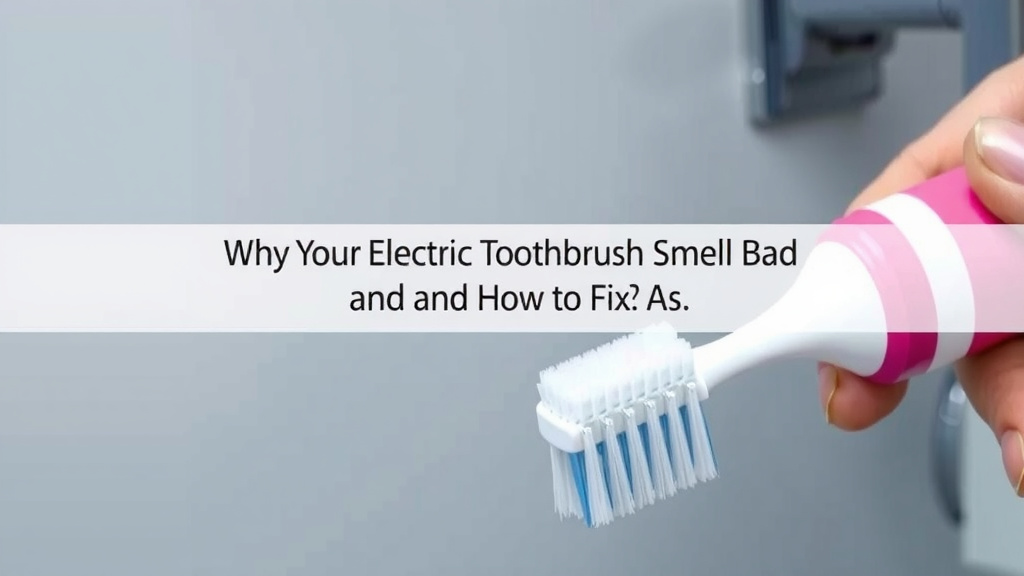
Your electric toothbrush might be smelling a bit funky because of trapped moisture and leftover toothpaste. This creates a breeding ground for bacteria, leading to that unpleasant odor. It’s a common issue, and luckily, it’s usually quite easy to fix.
That gunk you see around the brush head isn’t just unsightly; it’s often the main culprit behind the bad smell. Over time, tiny food particles and saliva can also contribute. Keeping your toothbrush clean is key to maintaining a fresh-smelling smile.
- Bacteria love moisture and leftover paste.
- Food bits and saliva add to the odor.
- Regular cleaning is your best defense.
- Mold can also be a sneaky cause.
Ready to banish that bad breath from your brush? Let’s walk through exactly how to tackle that funky smell and keep your toothbrush hygienic and fresh.
What’s Making Your Electric Toothbrush Smell So Bad?
You’re not alone if you’ve noticed a less-than-pleasant odor coming from your electric toothbrush. It’s a common, albeit slightly embarrassing, problem. The good news is that the causes are usually quite simple, and so are the solutions. Your toothbrush is working hard to keep your smile bright, but it can sometimes pick up a few unwanted passengers.
The Science Behind the Stench: Bacteria Love a Good Meal
At its core, that funky smell is often a result of bacterial overgrowth. Think of your toothbrush as a tiny, damp environment. After you brush, it’s covered in a mix of saliva, toothpaste residue, and microscopic food particles. This creates a perfect buffet for bacteria.
These bacteria, naturally present in your mouth, thrive in moist conditions. When they multiply unchecked, they can produce waste products that have a noticeable odor. It’s much like leaving a damp sponge in a dark corner; eventually, it starts to smell.
What Kind of Bacteria Are We Talking About?
Most of the bacteria involved are common oral bacteria. However, in a damp, dirty toothbrush, they can really get going. Studies have shown that electric toothbrush heads can harbor a variety of bacteria, similar to manual toothbrushes. The main issue is not the type of bacteria, but their excessive numbers.
Moisture is Your Toothbrush’s Worst Enemy
The dampness left after brushing is a primary contributor to that bad smell. You rinse your brush, but it doesn’t always dry completely. Electric toothbrushes, with their complex heads, can trap moisture in nooks and crannies that are hard to reach.
When a toothbrush head stays wet for extended periods, it becomes an ideal incubator for microbes. This is why proper drying is so important. It’s like trying to prevent mold in your bathroom; you need to manage the moisture levels.
Leftover Toothpaste and Food Particles: The Unseen Culprits
Even after rinsing, a small amount of toothpaste can cling to the bristles. This residue can become a sticky, damp haven for bacteria. If you’ve ever eaten something with a strong smell, like garlic or onions, tiny remnants might also get lodged in the bristles.
These particles, combined with saliva, create a rich environment for bacteria to feast on. The longer these bits sit there, the more they contribute to the odor. You might not see them, but your nose will definitely notice the result.
Mold: A Sneaky Contributor to Bad Smells
In some cases, a truly unpleasant, musty odor could indicate the presence of mold. This happens when a toothbrush is stored in a humid environment and doesn’t get enough airflow to dry out properly.
Mold spores are everywhere, but they need moisture and a food source to grow. Your toothbrush, with its damp bristles and organic residue, provides both. If the smell is particularly pungent and almost like mildew, mold might be the culprit. We found that storing toothbrushes in closed containers without proper ventilation can encourage mold growth (CDC).
Common Causes of a Smelly Electric Toothbrush, Explained
Let’s break down the most frequent reasons your electric toothbrush might be starting to smell. Understanding these helps you tackle the problem directly.
1. Inadequate Rinsing and Drying
This is probably the most common reason for a smelly toothbrush. You finish brushing, give the head a quick rinse under the tap, and put it back on the charger. However, a quick rinse might not remove all the toothpaste and saliva.
Furthermore, the bristles and the area where the brush head connects to the handle can retain moisture. If this moisture doesn’t evaporate, bacteria and even mold can start to grow. We found that air-drying is crucial for preventing this buildup.
2. Storing Your Toothbrush Incorrectly
Where you keep your toothbrush matters a lot. If you store it in a dark, damp place, like a drawer or a closed-off travel case, you’re essentially creating a breeding ground for microbes. Even placing it in a cup with other wet toothbrushes can hinder drying.
Good airflow is essential. Many experts recommend storing your toothbrush upright, uncovered, in a place where air can circulate around it. This helps it dry out completely between uses.
3. Not Replacing Brush Heads Often Enough
Electric toothbrush heads aren’t meant to last forever. They wear down with use, and their bristles can become frayed. More importantly, as they age, they can harbor more bacteria and residue.
Most manufacturers recommend replacing your brush head every three to four months. However, if you notice signs of wear sooner, or if you’ve been sick, it’s a good idea to replace it. This is a simple way to prevent persistent odors. If cleaning doesn’t help, consider replacing your brush head every three to four months to prevent persistent odors.
4. Sharing a Toothbrush (Don’t Do It!)
This might seem obvious, but sharing an electric toothbrush, even with a family member, is a surefire way to spread germs and create a less-than-fresh situation for everyone. Each mouth has its own unique bacterial profile.
When toothbrushes are shared, bacteria and other microbes are transferred between users. This can lead to an increased buildup of odor-causing agents. We found that distinct oral microbiomes can clash when shared (NCBI).
5. Underlying Oral Health Issues
While less common, sometimes a persistent bad smell from your toothbrush could be a subtle indicator of an oral health issue, such as gum disease or an infection. Your toothbrush might be picking up an unusual amount of bacteria or discharge.
If you’ve tried all the cleaning methods and your toothbrush still smells bad, or if you have other concerns about your oral health, it’s wise to consult your dentist. They can help diagnose any underlying problems.
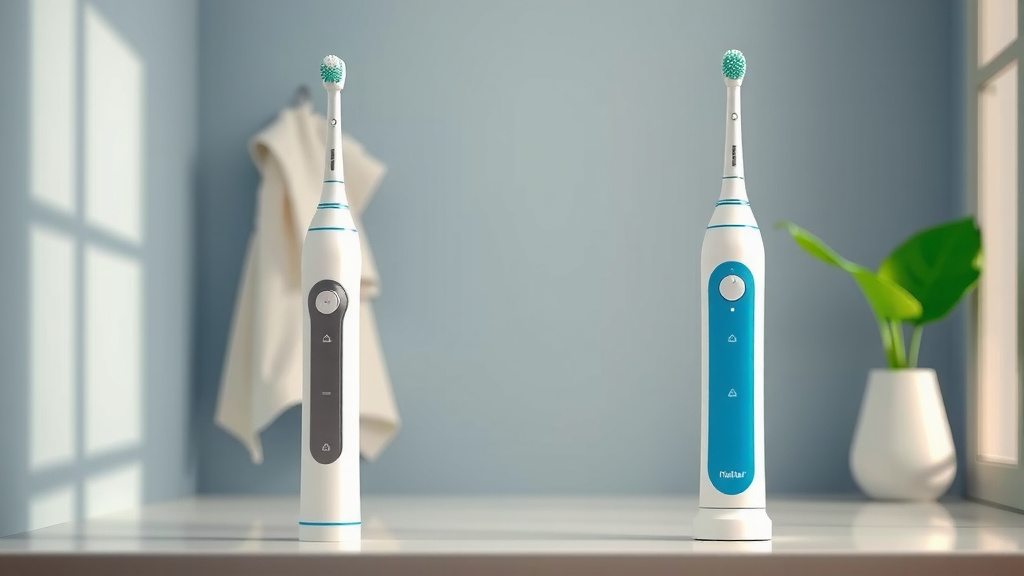
Checklist: Keep Your Electric Toothbrush Fresh and Clean
Ready to take action? Follow these simple steps to keep that unpleasant odor away:
- Rinse thoroughly: After each use, rinse the brush head under running water to remove all toothpaste and debris.
- Shake it off: Gently shake excess water from the brush head.
- Air dry: Store your toothbrush upright, uncovered, in a well-ventilated area.
- Clean regularly: Give the handle and charging base a wipe-down weekly.
- Replace heads: Swap out your brush head every 3-4 months, or sooner if worn.
- Use a toothbrush sanitizer: Consider a UV sanitizer for an extra layer of clean.
Conclusion
It’s totally understandable to be concerned about a smelly electric toothbrush. Remember, that odor is usually just a sign of a few common issues: trapped moisture, leftover toothpaste, and bacteria. By following a consistent cleaning routine, you can easily banish that funk. Make sure you’re rinsing thoroughly after each use and allowing your toothbrush to air dry completely between brushes. Taking these simple steps will help keep your toothbrush hygienic and your smile feeling fresh. Prioritizing a clean brush is a small habit with a big impact on your oral health.
Frequently Asked Questions
How often should I deep clean my electric toothbrush?
You should aim for a deeper clean at least once a week. This involves giving the handle and charging base a thorough wipe-down. You can also soak the brush head in mouthwash or a baking soda solution for a few minutes to help disinfect it.
Can I use harsh chemicals to clean my smelly toothbrush?
It’s best to avoid harsh chemicals. Most manufacturers recommend using mild soap and water for regular cleaning. Strong chemicals can damage the toothbrush materials or leave behind residue that could be harmful. Stick to gentle, recommended cleaning methods.
My toothbrush still smells bad even after cleaning. What else could it be?
If cleaning doesn’t help, consider if you’ve had any recent illnesses. You might need to replace the brush head sooner than usual. Also, check that you’re storing it properly in a well-ventilated area to ensure it dries fully between uses.
What’s the best way to dry my electric toothbrush?
The best way to dry your electric toothbrush is to shake off excess water and then let it air dry completely. Store it upright and uncovered in a place with good airflow. Avoid storing it in enclosed spaces like drawers or travel cases for extended periods.
Can a smelly toothbrush affect my breath?
Yes, a dirty or smelly toothbrush can definitely transfer odor-causing bacteria back into your mouth. This can contribute to bad breath, even if you’re practicing good oral hygiene otherwise. Keeping your brush clean is essential for fresh breath.