Cheap vs Expensive Electric Toothbrush: What’s the Real Difference?
Let me be honest with you—I’ve stood in the dental care aisle more times than I’d like to admit, staring at electric toothbrushes ranging from $20 to $300, wondering if I was about to make a terrible financial decision. Sound familiar? You’re definitely not alone. The electric toothbrush market has exploded over the past decade, and with it comes a bewildering array of choices at vastly different price points.
The million-dollar question is simple yet complex: does paying five times more for an electric toothbrush actually get you five times better results? Or are you just paying for fancy packaging and marketing hype? Let’s dig deep into this mystery together and uncover what really separates the budget options from the premium models.
Understanding the Electric Toothbrush Market
Before we compare prices and features, we need to understand what we’re actually looking at. The electric toothbrush market has grown into a multi-billion dollar industry, with everyone from established dental companies to tech startups jumping in. This competition is actually good news for consumers, but it also means we need to be savvy shoppers.
Think of the electric toothbrush market like the smartphone industry. You’ve got your budget options that do the job, your mid-range models that balance features with price, and your premium offerings packed with bells and whistles. The question is: which category represents the best value for you?
The Price Spectrum Explained
Budget Electric Toothbrushes: $15-$50
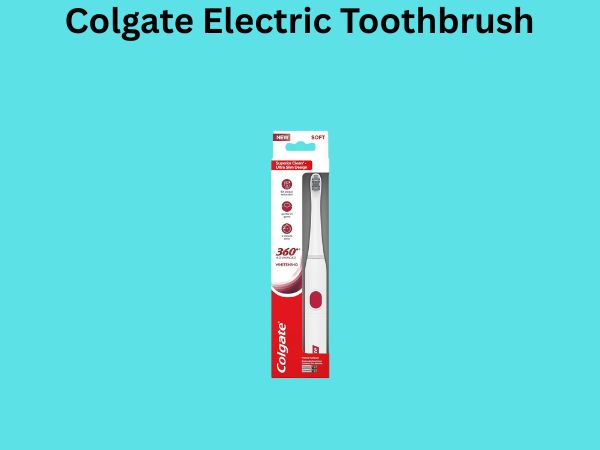
Budget electric toothbrushes are the entry point for most people exploring powered dental care. These models typically feature basic oscillating or sonic technology and handle the fundamental task of cleaning your teeth. They’re usually lightweight, come with minimal features, and rarely include smart technology or fancy app integration.
What you get with budget models:
- Basic vibration or oscillation technology
- Simple on/off switches with maybe one or two speed settings
- Disposable or inexpensive replacement heads
- Basic battery or electric charging
- Minimal warranty coverage
- Straightforward design without aesthetic frills
Mid-Range Electric Toothbrushes: $50-$150
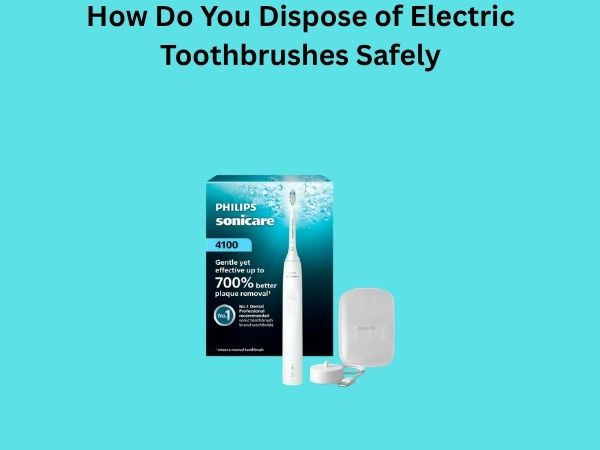
The mid-range segment is where most dental professionals recommend consumers focus their attention. These toothbrushes offer a significant leap in technology and quality without the premium pricing. You’ll find better build materials, more sophisticated cleaning modes, and improved battery longevity.
Mid-range models typically include:
- Multiple brushing modes (cleaning, whitening, gum care, sensitive)
- Pressure sensors to prevent gum damage
- Rechargeable batteries lasting 2-3 weeks
- Better-designed brush heads
- Improved ergonomics and grip
- Decent warranty and customer support
Premium Electric Toothbrushes: $150-$400+
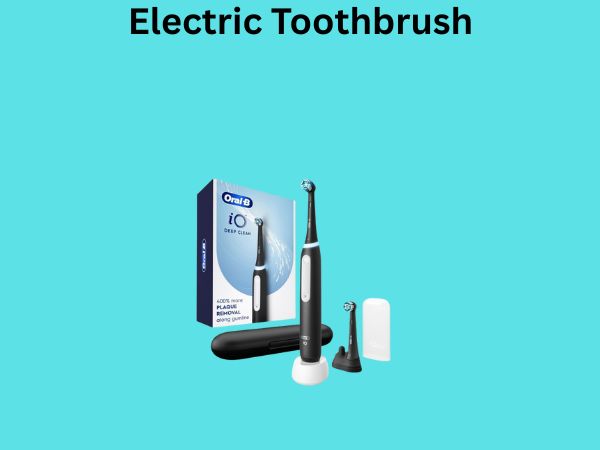
Premium electric toothbrushes are where the luxury features live. These models integrate smartphone connectivity, artificial intelligence, real-time feedback systems, and premium materials. They’re designed for users who want the absolute best technology has to offer in oral care.
Premium features include:
- AI-powered brushing guidance
- Smartphone app integration with real-time tracking
- Multiple specialized brushing modes
- Advanced pressure sensors
- Premium materials and design
- Extended warranties and premium customer service
- Advanced battery technology with month-long charge retention
Cleaning Performance: Does Price Really Matter?
The Science Behind the Bristles
Here’s where things get interesting. When it comes to the actual job of removing plaque and food debris from your teeth, the difference between budget and expensive models isn’t as dramatic as you might think. Most electric toothbrushes, regardless of price, can oscillate or vibrate at frequencies that exceed 20,000 movements per minute. That’s plenty fast enough to disrupt the biofilm that causes cavities and gum disease.
Think of it this way: whether you’re driving a Honda or a luxury car, both vehicles will get you to your destination. The route might be different, the comfort level varies, but the basic outcome is similar.
However—and this is important—the consistency of that performance does vary. Budget toothbrushes sometimes struggle to maintain vibration frequency at optimal levels, especially as the battery weakens. Premium models maintain their performance more consistently throughout the battery cycle.
Brush Head Quality and Design
One genuine difference between cheap and expensive electric toothbrushes lies in brush head quality. Premium brands invest heavily in ergonomic design, bristle technology, and durability. The bristles are typically tapered, rounded at the edges, and arranged to maximize cleaning efficiency while minimizing gum trauma.
Budget brush heads often feature simpler designs with less attention to these details. They work, but they’re not optimized for gentle yet effective cleaning. The bristle arrangement might not be as strategically designed to reach the spaces between teeth and along the gumline.
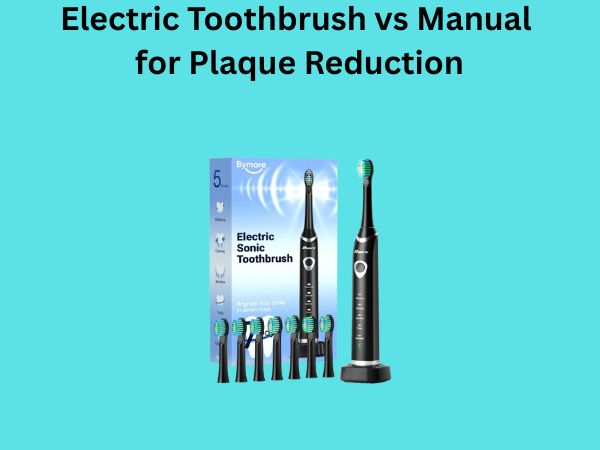
Additionally, replacement heads for premium models can be pricey—sometimes $5-$8 each—while budget replacement heads might cost $2-$3. This ongoing cost adds up significantly over years of use.
Technology and Smart Features
What You Actually Need vs. What Sounds Cool
This is where expensive toothbrushes really differentiate themselves, but you need to ask yourself an important question: do you actually need or want these features?
Smart toothbrushes with app connectivity track your brushing habits, send you notifications, and even game-ify your oral hygiene routine. Some models include artificial intelligence that analyzes your brushing technique and provides real-time feedback through vibration patterns.
Sounds impressive, right? But here’s the reality: a basic electric toothbrush with a two-minute timer (which almost all models include) achieves the same fundamental cleaning outcome. The app connectivity and AI features are nice additions for people who enjoy tech integration and need motivation to brush properly. But they’re not essential for dental health.
Pressure Sensors: A Legitimate Value-Add
One feature that justifies paying more is an effective pressure sensor. This technology alerts you when you’re brushing too hard, which is genuinely important for preventing gum recession and enamel wear. While some budget models include pressure sensors, premium versions typically implement them more effectively with better real-time feedback.
If you have sensitive gums or a history of gum disease, investing in a toothbrush with a reliable pressure sensor is money well spent.
Battery Life and Durability
How Long Will It Actually Last?
Battery technology is another area where price differences become apparent. Budget electric toothbrushes typically hold a charge for about one to two weeks. Premium models can go three to four weeks between charges, and some flagship models claim even longer battery life.
More importantly, the battery degradation over time differs significantly. A cheap toothbrush might lose charging capacity noticeably after a year or two of use. Premium toothbrushes, with advanced lithium-ion batteries, maintain their charge capacity much longer, sometimes for three to five years or more.
Consider this: if you use a cheap toothbrush that lasts two years before the battery becomes unreliable, you might replace it twice in the time a premium toothbrush lasts. The per-year cost comparison starts to look different.
Overall Build Quality and Longevity
Expensive toothbrushes are constructed with better materials—usually rubberized grips, water-resistant seals, and more durable motors. They’re designed to withstand daily use, accidental drops, and humid bathroom environments for years.
Budget toothbrushes, while functional, often feel flimsy and might fail unexpectedly. The plastic components can become brittle, the motor might develop issues, and the overall construction just doesn’t inspire confidence.
However, I’d argue that many mid-range toothbrushes hit the sweet spot here. They offer solid build quality without the premium price tag.
Cost of Ownership: The Hidden Factor
Replacement Heads and Accessories
Here’s something many people overlook when calculating toothbrush costs. You should replace your brush head every three months. Over five years, that’s 20 replacement heads.
Budget toothbrush heads: $2 each = $40 for five years
Mid-range heads: $4 each = $80 for five years
Premium heads: $7 each = $140 for five years
When you factor in replacement costs, that initial purchase price difference becomes less significant. A cheap $30 toothbrush with expensive replacement heads might cost you more over five years than a mid-range $80 toothbrush with reasonably-priced heads.
Warranty and Repair Costs
Premium brands typically offer extended warranties—sometimes covering the device for up to three years. Budget toothbrushes might only have a six-month or one-year warranty. This protection adds value to expensive models, especially if something goes wrong.
Additionally, premium brands are more likely to replace defective units or offer repair services. Budget manufacturers often simply don’t stand behind their products with the same commitment.
Brand Reputation and Dental Professional Recommendations
What Do Dentists Actually Recommend?
I’ve found it interesting that many dentists recommend mid-range toothbrushes from reputable brands rather than the cheapest or most expensive options. This suggests they see the value in the middle of the market—where features meet quality at a reasonable price point.
Well-known brands have reputations to protect. They’ve invested in research and development, understand dental health requirements, and stand behind their products. This doesn’t mean budget brands are terrible, but established brands often have more rigorous quality control.
The Innovation Factor
Premium toothbrush manufacturers are constantly innovating—improving motor efficiency, developing new bristle technologies, and refining cleaning patterns. These innovations eventually trickle down to mid-range products, but premium brands get them first.
If you want the latest technology and don’t mind paying for early adoption, expensive toothbrushes deliver that. If you’re willing to wait a year or two for innovations to become standard in mid-range products, you can save money.
Special Brushing Modes: Necessity or Luxury?
Do Multiple Modes Actually Help?
Premium toothbrushes often feature six, eight, or even more brushing modes—cleaning, whitening, gum care, sensitive, massage, and more. Budget models might have just one mode or maybe two.
Here’s the practical reality: the standard cleaning mode on any electric toothbrush handles daily plaque removal effectively. Specialized modes can be helpful for specific situations—like if you have gum disease or sensitive teeth—but they’re not essential for everyone.
That said, having a dedicated sensitive mode is genuinely useful if you have sensitive teeth, as it typically uses lower vibration frequencies and gentler motion patterns.
The Aesthetic and Comfort Factor
Does Comfort Matter for Compliance?
Here’s something often overlooked in these comparisons: you’re more likely to use a toothbrush that feels good in your hand. Premium toothbrushes are typically heavier, better balanced, and feature superior ergonomic design. They feel more substantial and pleasant to use.
If a cheap toothbrush feels uncomfortable or awkward, you might rush through your brushing routine or avoid using it altogether. A comfortable, well-designed toothbrush might actually lead to better oral health outcomes because you use it consistently and thoroughly.
This is a subtle but genuine advantage of premium models. You’re not just paying for technology; you’re paying for an experience that encourages daily use.
Real-World Performance: What Actually Matters
Plaque Removal Effectiveness
Studies comparing electric toothbrushes at different price points often show that mid-range and premium models remove slightly more plaque than budget options, but the difference is modest—we’re talking about a few percentage points in most studies.
The most important factor in plaque removal isn’t the toothbrush itself but how you use it. Technique, duration, and consistency matter far more than whether you’re using a $30 or $300 toothbrush.
Gum Health Outcomes
For gum health specifically, toothbrushes with effective pressure sensors and gentle brushing modes show better outcomes. This is where premium or mid-range models with these features do demonstrate advantages over basic budget options.
If you have gum disease or gingivitis, investing in a toothbrush with a good pressure sensor and gentle mode is justified.
My Honest Recommendation
Who Should Buy Budget Toothbrushes?
Budget electric toothbrushes make sense if you’re testing whether you like electric toothbrushes at all, if you’re on an extremely tight budget, or if you need backups for travel. They’ll clean your teeth adequately if you use proper technique.
However, once you commit to electric toothbrushes as part of your daily routine, moving up from the cheapest option typically pays dividends.
Who Should Buy Mid-Range Toothbrushes?
For most people, mid-range toothbrushes represent the best value. You get solid build quality, useful features like pressure sensors and multiple modes, reasonable battery life, and replacement heads that don’t cost a fortune. Most dental professionals recommend this tier.
Who Should Buy Premium Toothbrushes?
Premium toothbrushes are worth considering if you want the latest technology, enjoy app-based tracking and gamification, have specific dental issues requiring advanced features, or simply value having the best available option. They’re also justified if you’ve had a mid-range toothbrush fail and want maximum durability.
Making Your Decision: A Practical Framework
Ask yourself these questions when choosing between cheap and expensive electric toothbrushes:
- Do I have specific dental concerns (sensitivity, gum disease) that require advanced features?
- Am I likely to use this toothbrush consistently for years?
- Do I value technological features and app integration?
- What’s my realistic budget including replacement heads?
- Do I prefer a brand with strong warranty and customer support?
- Is build quality and durability important to me?
Your answers to these questions should guide your decision more than simply comparing price tags.
Conclusion
So, what’s the real difference between cheap and expensive electric toothbrushes? The honest answer is more nuanced than you might expect. While expensive toothbrushes offer superior build quality, advanced features, better battery technology, and more comfortable designs, they don’t deliver proportionally better cleaning results.
The difference in actual plaque removal between a $40 and a $200 toothbrush is relatively modest. Where expensive toothbrushes truly shine is in durability, special features for specific dental needs, user comfort, and the