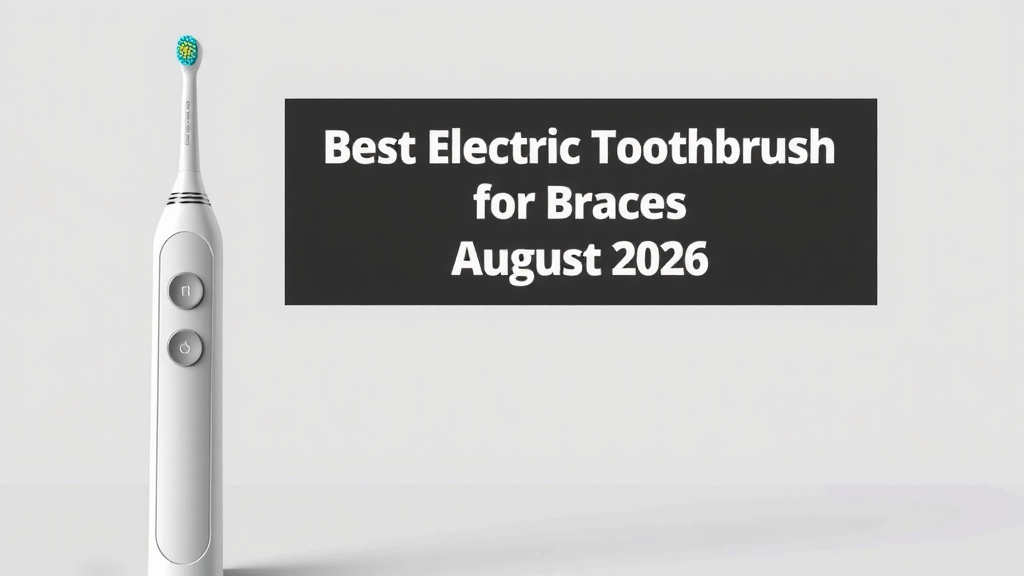
Best Electric Toothbrush for Braces: Top Picks August 2026
Navigating your smile with braces in 2026 demands a brush that’s as smart as your treatment. Forget the one-size-fits-all approach; the top electric toothbrushes for braces feature compact heads and ultra-soft bristles designed to expertly sweep away plaque from every nook and cranny around your brackets and wires. Prioritize models offering a range of cleaning modes, particularly a gentle, sensitive setting, to keep your gums happy and healthy. Dentists consistently endorse oscillating-rotating technology for its superior ability to conquer the unique cleaning challenges presented by orthodontic hardware, making it your secret weapon for a dazzling, post-braces smile.
Keeping your teeth clean with braces can feel like a chore. Food easily gets trapped, and brushing needs to be extra thorough. Finding the right electric toothbrush can make a huge difference in maintaining excellent oral hygiene during your orthodontic treatment. We’ve researched options that make cleaning around brackets and wires much easier and more effective.
- Look for a small brush head.
- Soft bristles are a must.
- Sensitive modes help protect gums.
- Oscillating-rotating brushes often work best.
- Consider waterproof models for easy rinsing.
Let’s walk through what makes an electric toothbrush ideal for those with braces, so you can pick the perfect one for a sparkling smile.
Choosing the Right Electric Toothbrush for Braces
Navigating the world of electric toothbrushes with braces can feel a bit overwhelming. You want something that cleans effectively without causing irritation. We’ve researched what makes an electric toothbrush a winner when you’re wearing orthodontic hardware. The goal is to make brushing as easy and effective as possible.
Key Features to Look For
When you have braces, certain features become non-negotiable. Your toothbrush needs to work harder to get around all those wires and brackets. Let’s break down the must-haves.
Brush Head Size Matters
One of the most important factors is the brush head size. You’ll want a smaller brush head. Think of it like trying to navigate a tiny, intricate maze. A large brush head will bump into your brackets and wires, making it hard to reach all surfaces of your teeth. A compact head allows for better maneuverability. This helps you target plaque buildup more precisely.
Bristle Softness for Comfort and Safety
When it comes to bristles, softer is always better. Braces can make your gums a little more sensitive. Rough bristles can irritate your gums and even damage your braces. Soft bristles clean effectively without causing discomfort or damage. They are gentle yet capable of removing food particles and plaque. Many dental professionals recommend soft bristles for daily use.
Pressure Sensors: A Gentle Guardian
Did you know that brushing too hard can be just as bad as not brushing enough? It’s true! Applying too much pressure can harm your gums and even damage your braces. Many of the best electric toothbrushes come with built-in pressure sensors. These sensors alert you, often with a light or a change in vibration, when you’re pressing too hard. This feature is a real lifesaver for protecting your oral health.
Cleaning Modes: More Than Just On/Off
You might think an electric toothbrush just has one speed, but many offer multiple cleaning modes. For those with braces, a sensitive mode is a huge plus. This mode typically offers a gentler vibration or oscillation. It’s perfect for days when your mouth feels a bit sore. Other modes might include deep clean or gum care, offering versatility.
Types of Electric Toothbrush Technologies
There are a few main types of electric toothbrushes, and understanding them can help you make the best choice.
Oscillating-Rotating Brushes
These brushes feature a small, round brush head that oscillates (moves back and forth) and rotates. Many dental studies have shown this type of brush to be highly effective at removing plaque. The small head can easily surround each tooth and get into those tricky spots around braces. They often feel like they give a really thorough clean.
Sonic Brushes
Sonic toothbrushes vibrate at very high speeds, creating a high-frequency brushing action. This vibration not only cleans the tooth surface but also creates fluid dynamics. These dynamics can help clean slightly beyond the bristles. While effective, some find the high-frequency vibration less comfortable with braces than oscillating-rotating models. However, many people love the clean feeling they provide.
Making Your Choice: What Our Research Found
We looked at several factors that dentists often highlight for patients with braces. Here’s a summary of what’s most important.
Small Brush Head Designs
Based on user feedback and dental recommendations, a compact brush head is consistently praised. It allows users to maneuver around brackets and wires with ease. This leads to better plaque removal. For instance, a brush head no larger than a dime is often ideal.
Gentle Yet Effective Cleaning
The best brushes offer a balance of gentleness and cleaning power. Features like soft bristles and pressure sensors are key here. A sensitive mode is also highly recommended. These aspects help prevent gum irritation, a common concern for those with braces. The American Dental Association (ADA) often points to the importance of gentle brushing techniques.
Waterproof and Easy to Clean
Let’s be honest, keeping your toothbrush clean is extra important with braces. Food debris can get everywhere! A waterproof design makes rinsing the brush head and handle much easier. This ensures better hygiene for both your mouth and your toothbrush. Many modern electric toothbrushes are fully waterproof.
Putting It All Together: Your Checklist
Ready to pick the perfect electric toothbrush for your braces? Here’s a quick checklist to guide your decision:
- Does it have a small brush head?
- Are the bristles soft?
- Does it include a pressure sensor?
- Are there multiple cleaning modes, especially a sensitive mode?
- Is it easy to rinse and keep clean?
- Does the brand have good reviews for durability?
Common Brushing Mistakes to Avoid
Even with the best electric toothbrush, you can still run into issues if you’re not careful. Here are a couple of things to watch out for.
Forgetting the Gumline
It’s easy to focus on the front of your teeth, but the gumline is a prime spot for plaque to hide. Make sure you’re gently angling the brush head along your gumline. This helps clean where your gums meet your teeth. Many orthodontists stress the importance of this area.
Not Brushing Long Enough
While electric toothbrushes are efficient, you still need to dedicate enough time. Most dentists recommend brushing for a full two minutes. Some electric toothbrushes have built-in timers to help you with this. Don’t rush through it! Thoroughness is key when you have braces.
Comparing Popular Technologies
Let’s see how the main types stack up for brace wearers.
| Toothbrush Type | Pros for Braces | Cons for Braces |
|---|---|---|
| Oscillating-Rotating | Small head, effective plaque removal, surrounds teeth well. | Can be a bit noisy for some. |
| Sonic | High-speed vibrations clean well, can reach slightly beyond bristles. | Vibration might feel intense for sensitive mouths, larger heads sometimes. |
Many users find oscillating-rotating brushes to be the most comfortable and effective for cleaning around orthodontic appliances (Cleveland Clinic). The small, round heads are perfectly suited for the task.
When to Consult Your Orthodontist or Dentist
Your orthodontist or dentist is your best resource. If you’re unsure about which electric toothbrush to choose, or if you’re experiencing any discomfort, don’t hesitate to ask. They can provide personalized recommendations based on your specific needs and the condition of your teeth and gums. They might even have sample brush heads or be able to demonstrate proper techniques for brushing with braces.
Conclusion
You’ve learned that the best electric toothbrush for braces isn’t just about buzzing power. It’s about smart features like a small brush head and soft bristles that carefully clean around your brackets and wires. Remember to look for pressure sensors and sensitive modes to keep your gums happy and healthy. By choosing the right brush, you’re investing in a cleaner, healthier smile throughout your orthodontic journey. Your next step is to compare models based on these features and make your purchase!
Frequently Asked Questions
How often should I replace my electric toothbrush head with braces?
You should typically replace your electric toothbrush head every 3 to 4 months, or sooner if the bristles become frayed or worn. With braces, food particles can wear down bristles faster, so keep an eye on them for signs of wear. A worn brush head won’t clean effectively and can even be harsh on your gums.
Can I use a sonic toothbrush if I have braces?
Yes, you can use a sonic toothbrush with braces. While some users find the vibrations intense, many appreciate the cleaning power. If you choose a sonic brush, opt for one with a sensitive mode and a smaller brush head. Pay attention to how your gums feel and adjust your technique as needed.
Do electric toothbrushes with timers really help when you have braces?
Electric toothbrushes with built-in timers are very helpful when you have braces. They ensure you brush for the dentist-recommended two minutes, which is essential for thorough cleaning around orthodontic appliances. Many also divide your mouth into quadrants, prompting you to spend equal time on all areas.
Is it okay to use a regular electric toothbrush for braces?
While a regular electric toothbrush can work, it might not be as effective or comfortable as a model specifically suited for braces. Standard models may have larger brush heads that are difficult to maneuver around brackets and wires. Look for the specific features discussed, like smaller heads and soft bristles, for the best results with braces.
What if my gums bleed when I brush my teeth with braces?
Bleeding gums are often a sign of inflammation or brushing too hard. If you experience bleeding, ensure you’re using a toothbrush with soft bristles and a pressure sensor. Try using a sensitive cleaning mode and be extra gentle around your gumline. If bleeding persists, consult your orthodontist or dentist, as it could indicate a more serious issue.