How Long Do Philips Sonicare Brushes Last?
Your Philips Sonicare brush heads typically last about three months with regular use. This is the general recommendation from dental professionals and Philips themselves to ensure optimal cleaning performance. Replacing them on time helps maintain your oral hygiene.
When was the last time you replaced your Sonicare brush head? If it’s been a while, you might be missing out on peak cleaning power. Brushing twice a day is pretty standard, and that schedule helps determine the lifespan of your brush head. We found that using them consistently means they wear down faster.
- Philips Sonicare brush heads generally last 3 months.
- This timeframe applies to regular brushing, usually twice a day.
- Using your Sonicare consistently affects how quickly they wear out.
- Regular replacement ensures effective plaque removal and a clean feeling.
- Check the bristles for signs of wear as an extra reminder.
Ready to get the most out of your Philips Sonicare? Let’s walk through exactly what to look for and why it matters for your smile.
When Should You Replace Your Sonicare Brush Head?
So, how long do Philips Sonicare brush heads really last? The general rule of thumb is **three months**. This isn’t just a random guess; it’s a guideline from dental professionals and Philips alike. Consistent use, typically brushing twice a day, is what this estimate is based on. Think of it like changing the oil in your car. You wouldn’t wait until the engine seizes, right? Your toothbrush head needs similar timely attention.
The 3-Month Mark: Why It’s the Magic Number
Why three months? Over time, the bristles on your Sonicare brush head begin to fray and lose their effectiveness. They can’t reach into those tight spots between your teeth or along your gumline as well. This means you’re not getting the best possible clean. Dental experts often stress the importance of **regular replacement** for optimal plaque removal and gum health (CDC). It’s a simple step that makes a big difference in maintaining that dentist-clean feeling.
What Happens If You Don’t Replace It?
Ignoring the three-month rule can lead to a few less-than-ideal outcomes. First, your brushing might start to feel less effective. You might even find yourself pressing harder, thinking you’re getting a better clean, but that can actually harm your gums. Worn bristles are less efficient at sweeping away plaque, which is the sticky film that causes cavities and gum disease. It’s a bit like trying to sweep your floor with a worn-out broom; it just doesn’t do the job properly.
Signs Your Brush Head Needs an Upgrade Sooner
While three months is the standard, sometimes your brush head might call it quits earlier. What should you look for? Keep an eye on the bristles. If they’re **splayed out, bent, or look fuzzy**, it’s a clear sign they’re past their prime. Some Philips Sonicare brush heads even have blue indicator bristles that fade over time. When you see that fading, it’s a visual cue that replacement is near. You might also notice a change in how your teeth feel after brushing – less smooth, perhaps. Trust your own senses; your mouth will often tell you when something’s up!
Factors That Influence Brush Head Lifespan
Your individual brushing habits play a huge role in how long your brush head lasts. It’s not just about the number of months you’ve had it. We found that several factors can speed up or slow down the wear and tear process.
Brushing Frequency and Duration
If you brush more than the recommended twice a day, or if your brushing sessions tend to be longer, your brush head will naturally wear out faster. Think of it as a runner. Someone who runs marathons daily will wear out their shoes faster than someone who jogs once a week. Your Sonicare brush head is no different. Each brushing session puts a little bit of wear on those bristles, so more sessions mean quicker depletion.
Brushing Intensity
Are you a gentle brusher or do you tend to scrub? Many people unknowingly apply too much pressure when brushing. Philips Sonicare toothbrushes are designed to do the work for you with their sonic vibrations. Pressing too hard can damage the bristles, causing them to splay and wear out prematurely. This not only shortens the life of your brush head but can also be harsh on your gums and tooth enamel. It’s a common mistake we found people make, so try to let the brush do the talking!
Dietary Habits
What you eat and drink can also have an indirect effect. Highly acidic foods and drinks can soften enamel over time, making it more susceptible to wear from brushing. While this doesn’t directly impact the brush head’s physical structure, it means that aggressive brushing with even a new head could cause more wear on your teeth. This is a good reminder to use a **gentle touch**, no matter how clean you want your teeth to feel.
How to Extend the Life of Your Sonicare Brush Head (Slightly)
While you can’t make your brush head last indefinitely, there are a couple of ways to ensure you get the most out of it within its effective lifespan. The key is proper care and maintenance.
Rinse Thoroughly After Each Use
After you finish brushing, take a moment to rinse the brush head thoroughly under running water. This helps remove any toothpaste residue and food particles that might get trapped between the bristles. Letting toothpaste dry on the bristles can make them stiff and prone to damage over time. A good rinse keeps them clean and ready for the next use.
Store it Properly
Allow your brush head to air dry completely between uses. Avoid storing it in a closed container or damp area, as this can encourage bacterial growth. Many Sonicare models come with a travel cap; use this only for travel to keep the bristles clean, not for daily storage. Storing it upright in a holder where air can circulate is ideal. This helps maintain the integrity of the bristles and keeps things hygienic.
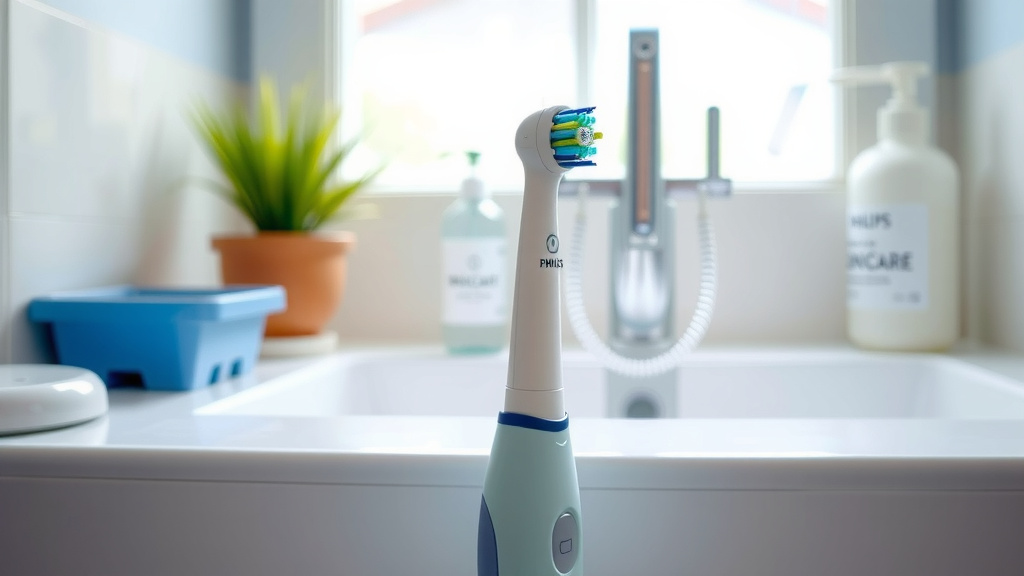
When to Buy New Brush Heads
It’s a good idea to keep a **spare set of brush heads** on hand. This way, you’re not caught off guard when it’s time for a replacement. Many online retailers and pharmacies offer multi-packs, which can be more cost-effective. We found that stocking up when they’re on sale is a smart move for your wallet and your smile!
Brush Head Replacement Checklist
Not sure if it’s time to swap out your brush head? Run through this quick checklist:
- Have you used the current brush head for about three months?
- Are the bristles visibly frayed, splayed, or fuzzy?
- Have the blue indicator bristles faded significantly?
- Does your mouth feel less clean after brushing than it used to?
- Do you notice yourself pressing harder to feel like you’re cleaning effectively?
- Is it just time for a refresh? (Sometimes, you just know!)
Conclusion
You’ve learned that your Philips Sonicare brush head generally lasts about three months with regular use. Consistent brushing twice a day is the baseline for this timeframe. Remember to watch for frayed bristles and faded indicator colors – these are your visual cues for replacement. Not replacing your brush head means less effective plaque removal and potentially more dental issues down the line. Make it a habit to check your brush head regularly and replace it promptly to keep your smile healthy and bright.
Frequently Asked Questions
How do I know if my Philips Sonicare brush head is worn out?
The most common sign is visibly frayed or splayed bristles that look fuzzy or bent. Many Sonicare brush heads also have blue indicator bristles that fade over time; significant fading means it’s time for a change. You might also notice your teeth don’t feel as clean after brushing.
Can I use my Sonicare brush head for longer than three months?
While you might be tempted to stretch it, using a brush head beyond three months significantly reduces its cleaning effectiveness. Worn bristles can’t properly remove plaque, potentially leading to cavities and gum problems. It’s best to stick to the recommended replacement schedule for optimal oral health.
Does brushing harder make my Sonicare brush head wear out faster?
Yes, applying too much pressure can damage and wear out your brush head bristles much faster. Sonicare toothbrushes are designed to clean effectively with sonic vibrations, so you don’t need to scrub. Excessive pressure can also harm your gums and tooth enamel, so let the brush do the work.
How often should I replace my Sonicare brush head if I have braces?
If you have braces, you might need to replace your brush head slightly more often, perhaps every 6-8 weeks. Braces can cause extra wear and tear on the bristles due to the added complexity of cleaning around brackets and wires. Keep a close eye on bristle condition.
Can I just rinse my Sonicare brush head and keep using it if it looks okay?
Rinsing your brush head thoroughly after each use is important for hygiene and maintenance. However, even if the bristles look outwardly okay, their internal structure and ability to effectively clean can degrade over three months. The three-month mark is a guideline based on bristle performance and hygiene.