Electric Toothbrush Oscillating vs Sonic: Better
Deciding between an oscillating and sonic electric toothbrush can feel like choosing a superpower for your smile. We found that sonic toothbrushes generally offer a more advanced clean by vibrating at higher speeds. They create thousands of brush strokes per minute, helping to disrupt plaque even beyond where the bristles touch. This makes them a strong contender for superior oral hygiene.
Both types of electric toothbrushes are a big step up from manual brushing. Oscillating brushes use a rotating-bristle motion, like a tiny, powerful scrubber. Sonic brushes, on the other hand, use rapid vibrations. Many dentists agree that both can improve gum health and remove more plaque than a manual brush, but the sonic technology often takes the lead in overall efficiency.
- Sonic toothbrushes vibrate faster, cleaning more surface area.
- Oscillating toothbrushes use a rotating head motion.
- Both are better than manual brushing for plaque removal.
- Consider your personal preference and dental needs.
Let’s dive into the details of each to help you make the best choice for your smile.
Oscillating vs. Sonic Toothbrushes: Which Cleans Better?
Choosing the right electric toothbrush can make a real difference in your daily routine. We found that both oscillating and sonic models offer a superior clean compared to manual brushing. They both work by moving the brush head in ways your hand can’t easily replicate. But how do they stack up against each other? Let’s break down the technology behind each.
Understanding Oscillating-Rotating Toothbrushes
Think of an oscillating-rotating toothbrush as having a tiny, powerful scrubbing head. This type of brush features a round or oval head that moves in a back-and-forth, circular motion. It rotates rapidly in one direction, then the other. This action is designed to cup each tooth. It then sweeps away plaque and debris.
How Oscillating Heads Work
The brush head on an oscillating model is typically smaller than a sonic brush head. Its movement is very specific. It oscillates, meaning it spins back and forth, and then often it also pulsates or moves slightly in and out. This combination is intended to dislodge plaque effectively. Many models come with different modes for cleaning, whitening, or gum care.
Pros and Cons of Oscillating Brushes
One of the biggest advantages of oscillating brushes is their familiar brushing sensation. For many people, it feels more like traditional brushing, just with more power. They are also very effective at scrubbing away surface stains. This can lead to a noticeably brighter smile.
However, the smaller heads might mean you spend a little more time brushing to cover all surfaces. Some users also find the oscillation motion to be a bit more vigorous. This can be a concern for those with sensitive gums or teeth. We found that some people can feel a slight vibration that might take getting used to.
Exploring Sonic Toothbrushes
Sonic toothbrushes operate on a different principle. Instead of rotating, the brush head vibrates at incredibly high speeds. These vibrations create thousands of brush strokes per minute. We found this rapid movement creates a dynamic cleaning action.
The Science Behind Sonic Vibrations
The high-frequency vibrations of a sonic toothbrush do more than just move the bristles. They create tiny waves of fluid. This fluid can reach areas that the bristles might not directly touch. These fluid dynamics help to disrupt plaque and bacteria even in between teeth and along the gumline. This is a key difference from oscillating brushes.
What Makes Sonic Brushes Unique?
The sheer speed of sonic vibrations is impressive. Many top-tier sonic toothbrushes can generate up to 30,000 to 60,000 brush strokes per minute. This is far beyond what any manual toothbrush can achieve. This high speed contributes to a very thorough cleaning. It is especially effective at removing plaque and improving gum health. Many dental professionals point to this ability to clean beyond bristle contact as a major benefit.
Pros and Cons of Sonic Brushes
The main benefit of sonic toothbrushes is their deep cleaning capability. The fluid dynamics and high-speed vibrations are excellent for reaching difficult areas. Many users report a “dentist-clean” feeling after using a sonic brush. They are also often gentler on the gums because the motion is less about scrubbing and more about vibration.
On the downside, the high-frequency vibrations can take some getting used to. Some people find the buzzing sensation a bit strange at first. Also, sonic brush heads are often larger, which might feel different in your mouth. We found that the learning curve for optimal placement and pressure can be slightly steeper for some.
Key Differences at a Glance
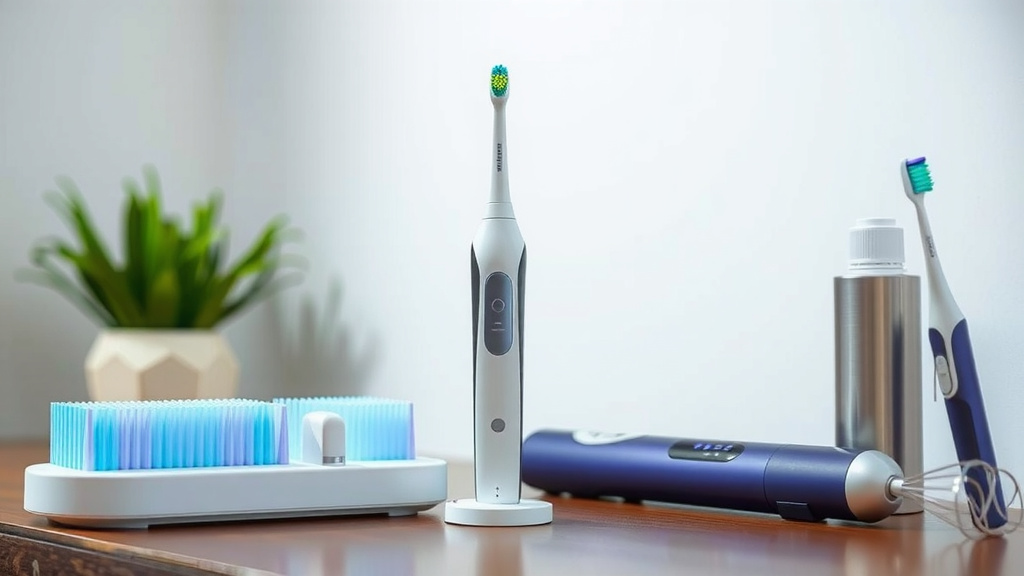
To help you visualize the differences, let’s compare them side-by-side. Understanding these distinctions can help you pick the best fit for your smile.
| Feature | Oscillating-Rotating | Sonic |
|---|---|---|
| Movement | Rotates back-and-forth; may pulsate | Vibrates side-to-side at high speed |
| Head Shape | Typically round or oval, smaller | Often elongated, similar to manual brushes |
| Cleaning Action | Scrubbing and sweeping motion | High-speed vibrations and fluid dynamics |
| Plaque Removal | Very effective at surface plaque | Effective on surfaces and hard-to-reach areas |
| Gum Health | Good, but can be vigorous | Often gentler, with dynamic cleaning |
Which Type is “Better” for You?
The question of which is “better” really depends on your personal needs and preferences. There’s no single answer that fits everyone.
Considering Your Dental Health Needs
If you have sensitive gums or find vigorous brushing uncomfortable, a sonic toothbrush might be a better choice. Its vibrating action can be gentler. For those who want to focus on removing surface stains and enjoy a more familiar brushing feel, an oscillating brush could be ideal. If you have braces or dental work, both can be beneficial, but some find the sonic’s fluid action better for cleaning around hardware.
Your Personal Comfort and Experience
Have you used electric toothbrushes before? If you’re switching from manual, either type will likely feel like a big upgrade. Think about what feels most comfortable in your hand and mouth. Some people love the buzzy feeling of sonic brushes, while others prefer the more direct scrubbing action of oscillating models. We found that trying out a friend’s or a travel-sized model, if possible, can offer a sneak peek.
Making Your Final Decision
Ultimately, the best electric toothbrush is the one you’ll use consistently and correctly. Both oscillating and sonic toothbrushes are proven to be effective. Research suggests that consistent use is key for maintaining good oral hygiene (CDC). So, choose the one that fits your budget, your comfort level, and your motivation to keep those pearly whites sparkling.
Quick Checklist for Your Choice:
- Do you prefer a scrubbing or a vibrating sensation?
- Are your gums sensitive?
- Do you want to focus on stain removal or deep cleaning?
- What is your budget?
- How much time are you willing to spend getting used to a new brush?
- What does your dentist recommend for your specific needs?
Conclusion
So, you’ve learned the difference between oscillating and sonic toothbrushes. Oscillating models offer a familiar scrubbing action. Sonic brushes use high-speed vibrations for a dynamic clean. Both excel over manual brushing for plaque removal and gum health. Your best choice depends on your personal comfort and specific dental needs. Do you have sensitive gums? Prefer a vigorous clean? Consider these factors. Ultimately, the toothbrush you use consistently is the one that will give you the healthiest smile. Make the choice that encourages you to brush twice a day!
Frequently Asked Questions
Are sonic toothbrushes really better for gum health?
Research suggests that sonic toothbrushes can be very effective for gum health. Their high-speed vibrations create fluid dynamics that help clean beyond the bristles. This can gently disrupt plaque and bacteria along the gumline. Many users find them gentler than oscillating brushes.
Can an oscillating toothbrush be too harsh for sensitive teeth?
Some people find the rotating motion of oscillating toothbrushes to be quite vigorous. If you have sensitive teeth or gums, you might experience some discomfort. You can mitigate this by using gentle pressure and perhaps a softer brush head. However, a sonic brush might be a gentler starting point.
How long does it take to get used to an electric toothbrush?
Most people adapt to electric toothbrushes within a week or two. Sonic brushes might take a little longer for some to get used to the vibrating sensation. Oscillating brushes often feel more familiar initially. Consistent use is key, so be patient with the adjustment period.
Do I need a special technique for sonic toothbrushes?
While you don’t need a complex technique, sonic toothbrushes work best with a gentle, sweeping motion. You don’t need to scrub. Simply guide the brush head slowly from tooth to tooth. Let the vibrations and fluid dynamics do the work for you. Avoid pressing too hard, as this can reduce effectiveness.
Which type is better for people with braces?
Both oscillating and sonic toothbrushes can be beneficial for cleaning around braces. However, some users report that the fluid action of sonic toothbrushes is particularly effective at cleaning debris from orthodontic hardware. They can help reach areas that are difficult to access with manual brushing.