How to Choose an Electric Toothbrush: Buyer
Choosing an electric toothbrush can feel overwhelming, but picking the right one is easier than you think. We’ve found that the best electric toothbrush for you depends on your oral health needs and budget. Consider key features like brushing modes and pressure sensors to make an informed decision.
Beyond basic cleaning, electric toothbrushes offer advanced technology to improve your oral hygiene. Many models come with built-in timers to ensure you brush for the dentist-recommended two minutes. Some even connect to apps, providing personalized feedback on your brushing habits for better results.
- Consider your budget and needs.
- Look for cleaning modes (whitening, gum care).
- A pressure sensor prevents gum damage.
- Timers help you brush longer.
- Connectivity features offer personalized feedback.
Let’s walk through exactly how to choose the perfect electric toothbrush for your smile.
Picking Your Perfect Electric Toothbrush
So, you’re ready to upgrade your brushing game. That’s fantastic! Choosing an electric toothbrush might seem like a big decision, but it’s simpler than you think. We’ve researched what makes a great electric toothbrush. Your best bet really comes down to your specific dental needs and how much you want to spend. Let’s break down the key features that matter most.
Understanding the Main Types of Electric Toothbrushes
When you start shopping, you’ll notice two main types of electric toothbrushes. Each has its own way of cleaning your teeth.
1. Oscillating-Rotating Brushes
These are probably the most common type you’ll see. They have a small, round brush head. This head spins back and forth, or oscillates and rotates. It also pulsates to break up plaque. Many dentists prefer this action. Research shows they can be very effective at removing plaque (American Dental Association).
2. Sonic Brushes
Sonic toothbrushes have brush heads that look more like a manual toothbrush. They vibrate at very high speeds. Think thousands of movements per minute. This creates a dynamic cleaning action. It can reach between teeth and along the gum line. These vibrations also help to create fluid dynamics. This can help clean areas beyond where the bristles physically touch.
Key Features to Consider for Your Smile
Now that you know the basic types, let’s talk about the bells and whistles. Not every brush needs every feature, but some are real game-changers for your oral health.
Pressure Sensors: Your Gums Will Thank You
This is a big one, especially if you tend to brush a bit too hard. Many people accidentally scrub their gums. This can lead to recession and sensitivity over time. A pressure sensor is your toothbrush’s way of saying, “Whoa there, easy does it!” When you press too hard, the brush will alert you. It might slow down, change its vibration, or light up. This protects your gums and enamel from damage. We found this feature is especially helpful for folks who are new to electric toothbrushes.
Built-In Timers: Brushing for the Right Amount of Time
Did you know most people don’t brush for the full two minutes dentists recommend? It’s true! Electric toothbrushes often come with a timer. This timer ensures you brush for the optimal duration. Many have a 30-second quadrant pacer. This means it pulses every 30 seconds. It prompts you to move to a different section of your mouth. This ensures a balanced clean. Two minutes doesn’t seem like much, but it makes a big difference.
Cleaning Modes: Tailoring Your Brush to Your Needs
Some brushes offer different cleaning modes. These are like preset programs for specific goals. You might find modes for:
- Daily Clean: Your standard, everyday brushing.
- Whitening: Designed to polish away surface stains.
- Gum Care/Massage: Gentler vibrations to stimulate gums.
- Sensitive: A lower-speed setting for tender teeth or gums.
- Deep Clean: Often a longer session or more intense action.
Think about your current dental concerns. Do your gums bleed easily? A gum care mode could be beneficial. Want a brighter smile? Look for a whitening option. You don’t need every single mode, but having one that matches your needs is helpful.
Brush Head Variety: Options for Every Need
Most electric toothbrush brands offer a range of replacement brush heads. These aren’t just generic. You can find heads designed for:
- Sensitive teeth and gums
- Deep cleaning
- Whitening
- Orthodontics (for braces)
- Tongue cleaning
It’s worth checking what options are available before you buy. This way, you can swap heads as your needs change. You can also try different ones to see what feels best for you.
Smart Features: Brushing with a Digital Assistant
This is where things get really interesting. Many newer electric toothbrushes are “smart.” They connect to your smartphone via Bluetooth.
App Connectivity: Personalized Coaching for Your Mouth
These smart toothbrushes pair with a mobile app. The app can track your brushing habits in real-time. It shows you which areas you’re missing. It might even give you a score on your technique. This kind of feedback can be incredibly helpful. It guides you toward better brushing. We found that people who use these apps often report a noticeable improvement in their oral hygiene. It’s like having a dental coach in your pocket! Some apps can even remind you to replace your brush head.
Battery Life and Charging: Convenience is Key
Think about how often you travel or if you just hate being tethered to an outlet. Most electric toothbrushes have rechargeable batteries. Battery life can range from a few days to several weeks on a single charge. Some come with charging stands, while others use USB cables or charging cases. A longer battery life is generally more convenient. It means fewer charges and less hassle. Consider what charging method best fits your lifestyle.
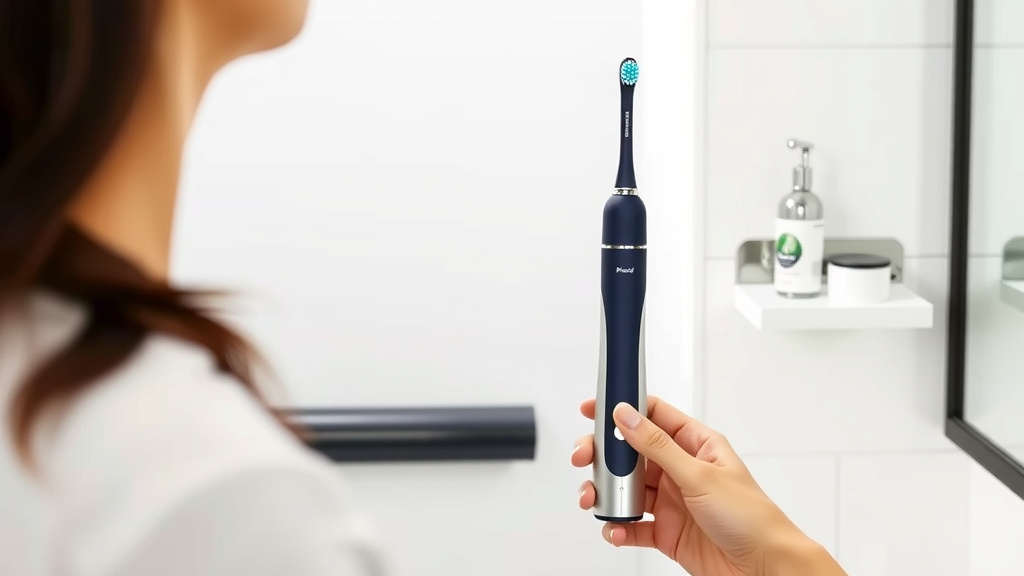
Budgeting for Your Electric Toothbrush
Electric toothbrushes come at various price points. You can find decent options for under $50. High-end models with all the smart features can cost $100 or more. Replacement brush heads also add to the ongoing cost. They typically need replacing every three months. Think about your budget realistically. You don’t always need the most expensive model to get a great clean. Focus on the features that are most important for your oral health. A moderately priced brush with a pressure sensor and timer can be a fantastic choice.
Making Your Final Choice: A Quick Checklist
Ready to narrow it down? Here’s a quick way to think about what you need:
- Assess your oral health: Do you have sensitive gums? Plaque buildup?
- Set your budget: How much are you comfortable spending upfront and for replacement heads?
- Prioritize features: Is a pressure sensor a must? Are app features appealing?
- Consider brush head types: What kind of cleaning action do you prefer?
- Read reviews: See what other users say about reliability and performance.
- Consult your dentist: They can offer personalized recommendations.
Conclusion
You’ve learned how to choose an electric toothbrush that fits your smile and your life. We found that understanding the basic types—oscillating-rotating and sonic—is a great starting point. Prioritizing features like pressure sensors and timers protects your oral health. Consider your budget and desired cleaning modes for a truly personalized experience. Your next step is to assess your specific dental needs and set a budget. Then, make your choice and enjoy a cleaner, healthier mouth!
Frequently Asked Questions
How often should I replace my electric toothbrush head?
Most manufacturers recommend replacing your electric toothbrush head every three months. This ensures optimal cleaning performance and hygiene. Over time, bristles fray and lose their effectiveness. Some smart toothbrushes can even remind you via their connected app.
Are oscillating-rotating or sonic toothbrushes better?
Research suggests both types are highly effective at removing plaque. Oscillating-rotating brushes offer a more targeted, physical cleaning action. Sonic brushes use high-speed vibrations and fluid dynamics for a broader reach. Your personal preference for the brushing sensation will play a big role in what feels better.
What is a pressure sensor, and do I really need one?
A pressure sensor alerts you when you’re brushing too hard, preventing gum damage and enamel wear. We’ve found this feature is highly beneficial, especially for those new to electric toothbrushes or who tend to apply too much force. It’s a great way to protect your oral health.
Can smart toothbrushes really improve my brushing habits?
Yes, smart toothbrushes with app connectivity can offer personalized feedback on your technique. They track coverage, duration, and pressure, acting like a dental coach. This guidance can help you identify and correct areas you might be missing for a more effective clean.
Are expensive electric toothbrushes worth the investment?
Not necessarily. While premium models offer advanced features, a moderately priced electric toothbrush with essential functions like a pressure sensor and timer can provide excellent cleaning. Focus on the features most important for your oral health and budget, rather than just the price tag.