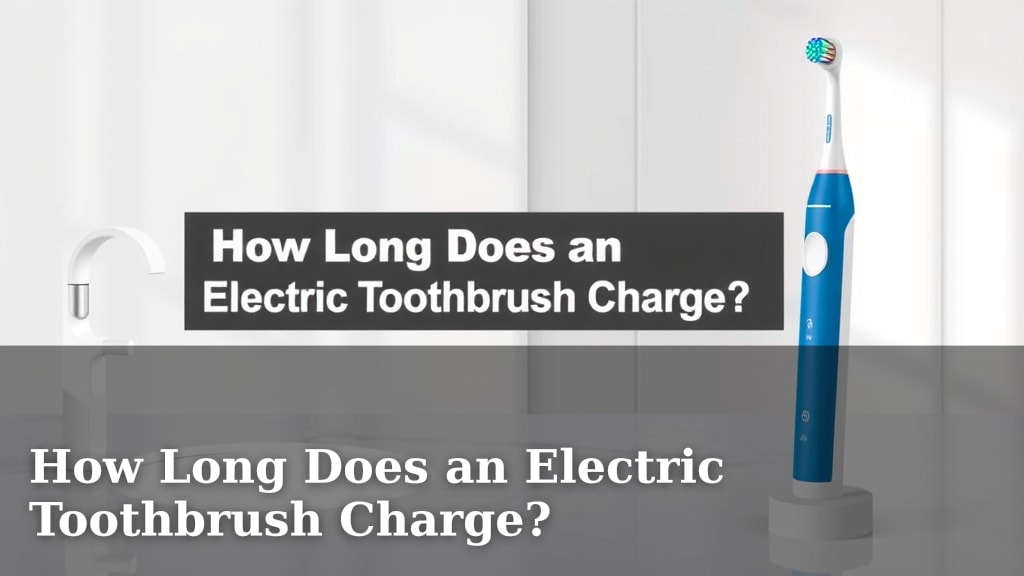
How Long Does an Electric Toothbrush Charge?
Most electric toothbrushes take about 12 to 24 hours for a full charge. This might sound long, but it usually gives you weeks of brushing time. So, you generally don’t need to worry about your toothbrush dying mid-brush, which is a huge relief!
We found that charge times can vary by brand and model. Some newer models charge much faster, in just a few hours. Others might need that overnight charge to be fully ready. Keeping your toothbrush charged is key for consistent cleaning power and a healthier smile.
TL;DR:
- Full charge usually takes 12-24 hours.
- One full charge lasts for weeks of brushing.
- Faster charging models are becoming more common.
- Check your specific model’s manual for exact times.
Let’s dive a little deeper into what affects your toothbrush’s charging time and how to get the most out of it.
Understanding Your Electric Toothbrush’s Charge Time
You might be wondering, “How long does it really take for my electric toothbrush to get a full charge?” It’s a great question, and the answer isn’t always a single number. We’ve found that the charging period can vary quite a bit.
Generally, you’re looking at anywhere from 12 to 24 hours for most models. That might sound like a long time, but remember, that single charge will power your toothbrush for weeks. So, it’s not something you need to monitor constantly. Think of it like charging your phone; you plug it in overnight and forget about it until morning.
Factors Influencing Charge Duration
Several things can affect how long it takes to get your toothbrush juiced up. It’s not just about the battery size. The type of charger you use plays a big role.
Charger Type Matters
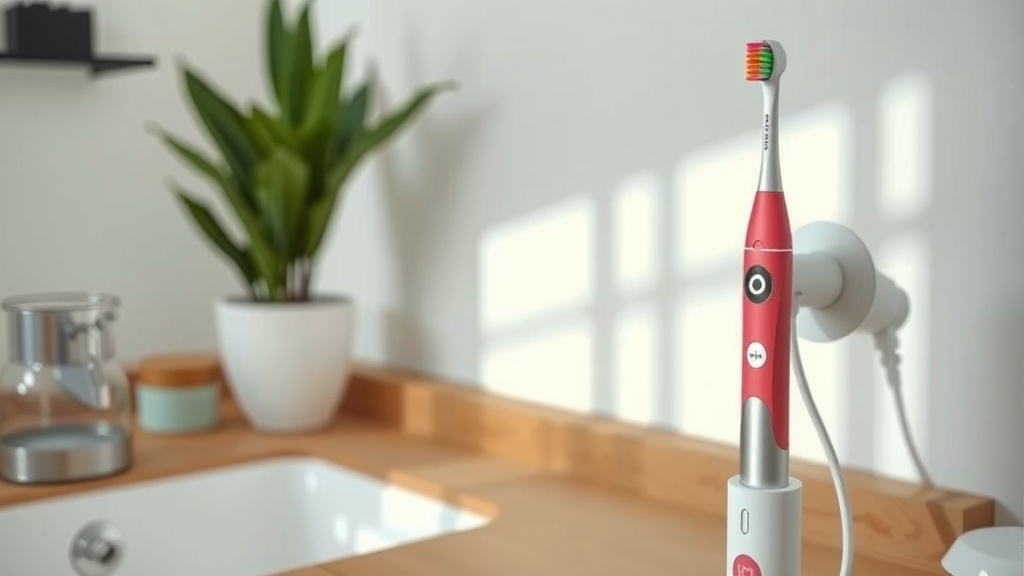
Most electric toothbrushes come with a charging base. Some are simple inductive chargers, while others might be a bit more advanced. Older models or basic designs might take the full 24 hours. Newer or premium models often use faster charging technology.
Some toothbrushes even have charging travel cases. These can sometimes charge faster or offer a quick top-up when you’re on the go. We found that understanding your specific charger can help set your expectations.
Battery Health and Age
Just like any rechargeable device, the battery in your toothbrush doesn’t last forever. Over time, batteries degrade. This means an older toothbrush might take longer to charge, or it might not hold a charge for as long as it used to. It’s a natural process.
If your toothbrush seems to be taking much longer to charge than it used to, and the charge doesn’t last as long, it might be a sign that the battery is nearing the end of its lifespan. Many experts suggest replacing electric toothbrush heads every three months anyway, and eventually, the whole unit might need an update (American Dental Association).
Typical Charging Times by Brand (General Estimates)
While we can’t give exact times for every single model, we’ve gathered some general estimates. These are based on common models and user reports. It’s always best to check your toothbrush’s manual for the most accurate information.
| Brand/Model Type | Estimated Full Charge Time | Typical Use Time Per Charge |
|---|---|---|
| Basic Electric Toothbrush | 16-24 hours | 1-2 weeks |
| Mid-Range Electric Toothbrush | 12-18 hours | 2-3 weeks |
| Advanced/Smart Toothbrush | 8-12 hours | 2-4 weeks (often more with smart features off) |
| Toothbrushes with Fast Charging | 2-6 hours | 2-3 weeks |
You can see there’s quite a range! A basic model might require an overnight charge, while a newer, high-tech model could be ready to go after a few hours. It’s helpful to know what to expect from your specific device.
What Does “Fully Charged” Mean?
When a manufacturer says “fully charged,” they mean the battery has reached its maximum capacity. For most electric toothbrushes, this is indicated by a light on the handle or the charging base. Sometimes it turns green, or it might stop blinking.
You generally don’t need to worry about overcharging modern electric toothbrushes. Most have built-in circuitry to prevent this. Once the battery is full, it stops accepting power. So, leaving it on the charger longer than necessary usually won’t harm it, though it’s less efficient.
Maximizing Battery Life and Performance
Want your electric toothbrush to perform its best for as long as possible? A few simple practices can help. It’s not complicated, and it makes a difference in your daily routine.
Initial Charge Recommendations
Many manufacturers recommend a longer initial charge for new toothbrushes. This helps to calibrate the battery properly. We found that for many models, charging it for a full 24 hours right out of the box is a good idea. This ensures the battery management system gets accurate baseline information.
Regular Charging Habits
Avoid letting the battery completely drain too often. While modern lithium-ion batteries are quite forgiving, consistently running them down to zero can still impact their long-term health. It’s often better to top them up when you have the chance, rather than waiting for the low battery indicator.
Think of it like keeping a small reserve. Your toothbrush will thank you with consistent power for brushing. Many users find it easiest to simply place their toothbrush on its charger after each use or every few uses. This ensures it’s always ready when you need it.
Storage and Temperature
Extreme temperatures can affect battery performance and longevity. It’s best to store your electric toothbrush and its charger at room temperature. Avoid leaving it in a hot car or a very cold bathroom for extended periods. These conditions can stress the battery.
Troubleshooting Common Charging Issues
Occasionally, you might run into a problem where your toothbrush isn’t charging properly. Don’t panic; there are a few common culprits.
Check the Connections
Make sure the charging base is plugged into a working outlet. Try a different outlet if you’re unsure. Also, check that the toothbrush is seated correctly on the charging base. Sometimes a slight adjustment is all it takes.
We found that a build-up of toothpaste or debris on the charging contacts can interfere with the connection. Gently wipe the charging base and the bottom of the toothbrush handle with a damp cloth. Ensure they are dry before placing the toothbrush back on the charger.
Is it the Charger or the Toothbrush?
If you suspect a charging issue, try testing the charger with another compatible toothbrush if possible. Or, if you have another compatible charger, try using it with your toothbrush. This helps isolate whether the problem lies with the charger or the toothbrush handle itself.
Contacting customer support is always a good next step if you can’t resolve the issue. Most reputable brands offer a warranty on their products.
Tips for a Brighter Smile and a Charged Toothbrush
Keeping your electric toothbrush charged is straightforward. Follow these simple tips to ensure it’s always ready to give you a fantastic clean:
- Read your manual: It has the exact charge times for your model.
- Initial charge properly: Give new toothbrushes a long first charge.
- Regular top-ups are fine: Don’t wait for the battery to die.
- Keep it clean: Wipe down charging contacts regularly.
- Store smart: Avoid extreme temperatures for your toothbrush.
- Troubleshoot simple fixes: Check outlets and connections first.
Conclusion
You now have a clear picture of electric toothbrush charging. While most need 12-24 hours, this powers them for weeks. Remember that charger type and battery age can affect these times. Newer models often offer faster charging. For the best performance, follow simple tips like proper initial charging and regular top-ups. Keeping your toothbrush charged ensures a consistent, effective clean for your oral health. Your next step? Check your toothbrush manual for its specific charging needs to maximize its battery life and your brushing experience.
Frequently Asked Questions
How long does a full charge really last on an electric toothbrush?
Typically, a full charge will keep your electric toothbrush running for about two to four weeks. This duration can vary based on the specific model and how often you brush. Most users find this lasts them a good amount of time between charges.
Can I leave my electric toothbrush on the charger all the time?
Yes, for most modern electric toothbrushes, it’s perfectly fine to leave them on the charging base. They have built-in technology to prevent overcharging and protect the battery’s health. It ensures your toothbrush is always ready when you need it.
Does the type of charger make a difference in charging speed?
Absolutely. While older or basic models might use slower chargers that take up to 24 hours, newer or premium toothbrushes often come with faster charging technology. Some even include charging travel cases that can speed up the process.
My electric toothbrush seems to be charging slower now. What’s wrong?
Battery health naturally degrades over time. If your toothbrush is older, it might take longer to charge or not hold a charge as long as it used to. This is normal wear and tear for rechargeable batteries.
What’s the best way to charge a new electric toothbrush for the first time?
For your new electric toothbrush, most manufacturers recommend a longer initial charge, often around 24 hours. This helps calibrate the battery management system accurately. It ensures you get the best performance and battery life from the start.