Sonic vs Electric Toothbrush: What’s the Real Difference
The main difference between a sonic and electric toothbrush lies in their cleaning motion. Sonic toothbrushes vibrate at a high speed, creating fluid dynamics to clean teeth. Electric toothbrushes, on the other hand, typically use a rotating or oscillating head. Both aim to remove plaque more effectively than manual brushing, but they achieve it differently.
Many people wonder if one type is inherently better. Research and user experiences suggest both can be highly effective. The key is often the brush head design and how well you use it. We’ve found that consistent, proper technique matters most for achieving a healthier smile with either type of brush.
- Sonic brushes vibrate fast for fluid cleaning.
- Electric brushes usually rotate or oscillate.
- Both are better than manual brushes for plaque removal.
- Technique is key for effectiveness.
Let’s break down the specifics of each type so you can decide which might be best for your smile!
Understanding Sonic vs. Electric Toothbrush Differences
So, you’re looking to upgrade your brushing game and wondering about sonic and electric toothbrushes. It’s a common question! While both are powered gadgets designed to clean your teeth better than a manual brush, they work in surprisingly different ways. Let’s dive into what makes each one tick.
How Sonic Toothbrushes Work Their Magic
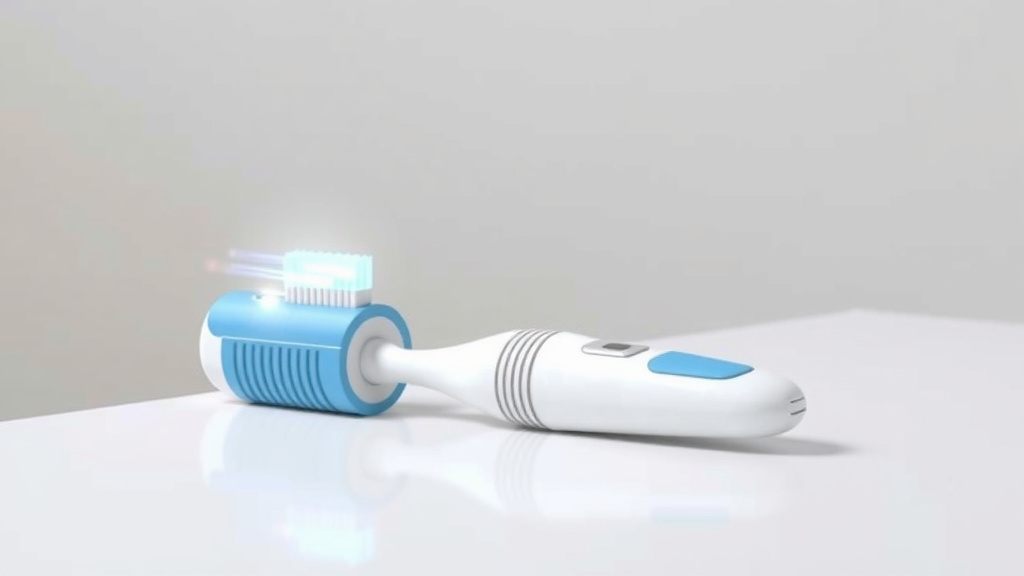
Think of a sonic toothbrush as a high-speed dancer for your teeth. These brushes vibrate incredibly fast – we’re talking tens of thousands of strokes per minute. This rapid movement creates a dynamic cleaning action.
The Power of Fluid Dynamics
It’s not just about the bristles hitting your teeth. The high-speed vibrations agitate the toothpaste and saliva in your mouth. This creates tiny bubbles and fluid motion that can reach areas bristles might miss. It’s like a gentle, super-fast wash for your entire mouth.
Many dental professionals note that this fluid action can help disrupt plaque even slightly beyond where the bristles touch. This is a key advantage of sonic technology for achieving a cleaner feel and better oral hygiene (American Dental Association).
What the Vibration Feels Like
When you use a sonic toothbrush, you’ll feel a distinct buzzing or humming sensation. It might take a little getting used to, but many people find it gentle and effective. The brush head typically moves side-to-side very rapidly.
Exploring the World of Electric Toothbrushes
Now, let’s look at traditional electric toothbrushes. These also use power, but their movement is usually more distinct. Instead of super-fast vibrations, most electric toothbrushes rely on a more mechanical motion.
Rotation and Oscillation: The Core Mechanics
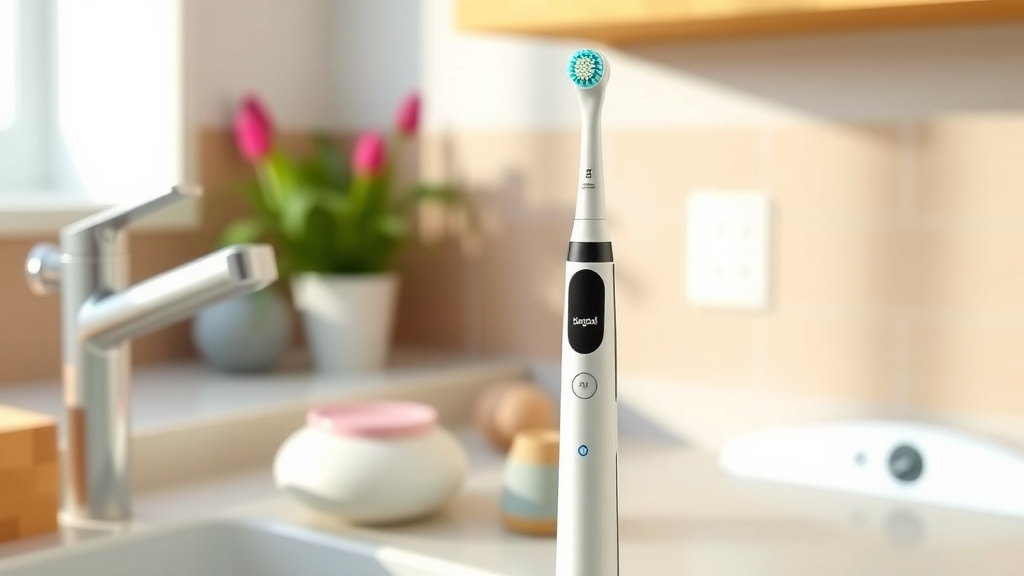
The most common type of electric toothbrush features a small, round brush head. This head either rotates back and forth (oscillates) or spins in a circular motion. Some models might combine these movements. The goal is to use the physical action of the moving head to scrub away plaque.
Different Brush Head Designs
Because the cleaning action is more about direct contact, the design of the electric toothbrush head is really important. You’ll often find smaller, cup-shaped heads designed to cup each tooth individually. The bristles are usually arranged in tufts that move vigorously.
Comparing the Brushing Sensation
Using an electric toothbrush feels different from a sonic one. You’ll feel the distinct pulsing or scrubbing of the oscillating head. Some find this motion more satisfying for a deep clean. It’s a more direct, physical scrubbing action compared to the sonic’s high-frequency buzz.
Key Differences at a Glance
To help clarify, let’s put the main distinctions side-by-side. Understanding these can really help you make a choice.
| Feature | Sonic Toothbrush | Electric Toothbrush (Oscillating/Rotating) |
|---|---|---|
| Cleaning Motion | High-speed vibrations (tens of thousands per minute) | Rotating, oscillating, or spinning head |
| How it Cleans | Fluid dynamics, high-frequency scrubbing | Direct mechanical scrubbing |
| Brush Head Shape | Often similar to manual brushes (elongated) | Typically small and round |
| Sensation | Buzzing, humming | Pulsing, scrubbing |
| Plaque Removal | Effective, aided by fluid action | Highly effective through direct scrubbing |
Effectiveness: Which One Wins?
This is the million-dollar question, right? Both sonic and electric toothbrushes are proven to be significantly more effective at removing plaque than manual toothbrushes. Numerous studies support this (Cochrane Database of Systematic Reviews).
Plaque Removal Capabilities
When it comes to simply removing plaque, both types are excellent. Some research has suggested that oscillating-rotating electric toothbrushes might have a slight edge in plaque removal and gingivitis reduction over sonic toothbrushes. However, the difference is often small, and user technique plays a huge role.
Gum Health and Sensitivity
For those with sensitive gums, sonic toothbrushes are often recommended. Their high-speed vibrations can be gentler, and the fluid dynamics may reduce the need for aggressive scrubbing. If you tend to brush too hard, a sonic brush might help you break that habit. Electric toothbrushes can also be gentle if used with the correct pressure.
User Preference and Habit
Ultimately, the best toothbrush is the one you’ll use consistently and correctly. Some people prefer the familiar feel of a manual brush shape with sonic technology. Others love the direct cleaning action of a rotating electric head. Your personal comfort and how well you adapt to the brush are key.
Making Your Final Choice
So, you’ve got the lowdown on how they move and clean. Now what? Think about your own mouth and habits. Do you have sensitive gums? Do you tend to press too hard? Do you want that dentist-clean feeling every day?
Questions to Ask Yourself
Consider these points to guide your decision:
- What’s your budget? Prices can vary widely.
- Do you have specific dental concerns, like gum disease?
- Which brushing sensation feels more comfortable for you?
- How much time are you willing to spend learning a new technique?
We found that many dentists suggest starting with a more gentle option if you’re unsure. You can always switch later if you feel a different type would suit you better. The important thing is to establish a great daily brushing routine.
Tips for Brushing Success
No matter which type you choose, remember these simple tips for optimal cleaning:
- Brush for the full two minutes.
- Don’t forget to brush all surfaces of your teeth.
- Apply just enough pressure to clean – don’t scrub hard.
- Replace your brush head every 3-4 months.
- Floss daily for complete oral care.
By understanding the mechanics and sensations, you’re well on your way to choosing the right powered toothbrush for a healthier, brighter smile!
Conclusion
You now understand the core differences between sonic and electric toothbrushes. Sonic brushes use high-speed vibrations and fluid dynamics for a unique cleaning action, while electric brushes typically rely on oscillating or rotating heads for direct scrubbing. Both are powerful tools for improving your oral hygiene over manual brushing. We’ve found that the best choice often comes down to personal preference, gum sensitivity, and your brushing habits. Your next step is to consider what feels best for you and commit to a consistent brushing routine for a healthier smile!
Frequently Asked Questions
Are sonic toothbrushes better for sensitive gums?
Many people with sensitive gums find sonic toothbrushes to be gentler. Their high-speed vibrations create fluid motion that can clean effectively without requiring intense pressure. This often translates to a less abrasive experience compared to some electric brushes.
Can an electric toothbrush head get into tight spaces?
Electric toothbrushes, especially those with small, oscillating heads, are designed to cup each tooth. This can help them reach into crevices between teeth and along the gumline effectively. However, daily flossing remains essential for a complete clean.
Which type of toothbrush is generally more affordable?
Typically, basic electric toothbrushes with oscillating heads can be more affordable upfront than sonic toothbrushes. However, prices vary widely for both types, and replacement brush heads can add to the long-term cost of either option.
Do I need to use a special toothpaste with these brushes?
No, you can use your regular fluoride toothpaste with either a sonic or electric toothbrush. The technology of the brush itself is designed to enhance the cleaning power of standard toothpaste, not replace it.
How do I know if I’m brushing too hard with a powered toothbrush?
Many modern electric and sonic toothbrushes have pressure sensors that alert you if you’re pressing too hard. If yours doesn’t, pay attention to the sensation; if it feels like you’re scrubbing aggressively or causing discomfort, you’re likely using too much pressure.