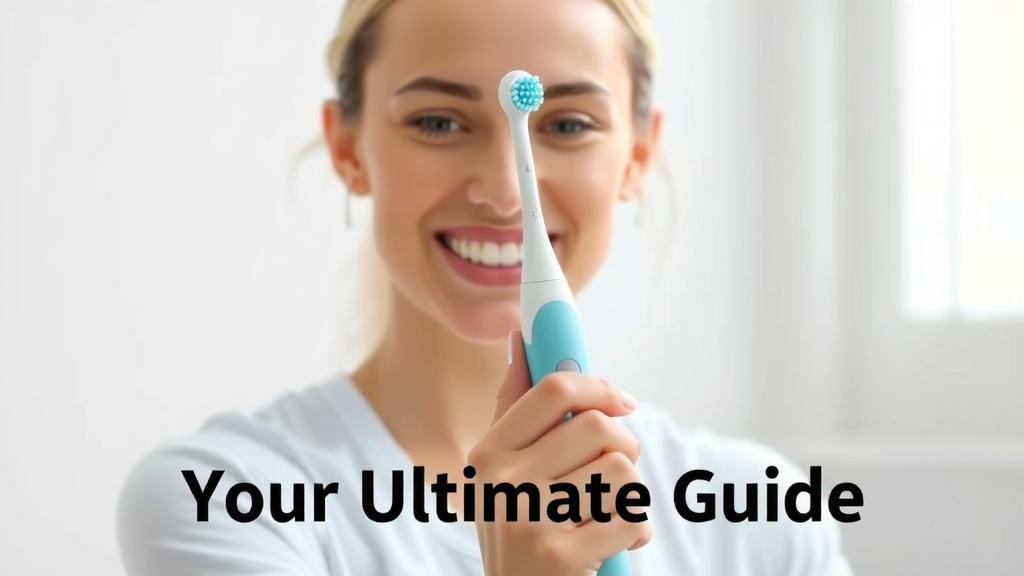
Oral B iO Electric Toothbrush: Your Ultimate Guide
Using your Oral-B electric toothbrush is quite simple, and you’ll get a great clean right away. Just wet the brush head, apply a pea-sized amount of toothpaste, and then place it on your teeth before turning it on. This simple method helps prevent toothpaste splatter and ensures you get the most out of your brushing session.
Oral-B electric toothbrushes use advanced technology to give you a superior clean compared to manual brushes. They often come with different brushing modes and pressure sensors to protect your gums. Many dentists agree that electric toothbrushes are a fantastic tool for improving oral hygiene for most people.
- Wet the brush head and add toothpaste.
- Place the brush on your teeth before turning it on.
- Guide the brush slowly across all surfaces.
- Don’t forget to brush your tongue!
Ready to get that dentist-clean feeling at home? Let’s walk through exactly how to use your Oral-B electric toothbrush step by step to make sure you’re getting the best possible clean every time.
Getting Started with Your Oral-B Electric Toothbrush
So, you’ve got a new Oral-B electric toothbrush! That’s fantastic. It’s like upgrading from a bicycle to a sports car for your teeth. We’re here to guide you through using it so you can get that amazing, dentist-clean feeling every single day. It’s really quite straightforward once you know the simple steps.
Preparation is Key: What to Do Before You Brush
Before you even think about turning your Oral-B on, a little prep work goes a long way. Think of it as setting the stage for a perfect performance. This ensures a smoother experience and a better clean.
Attaching the Brush Head
First things first, let’s make sure the brush head is securely attached. Most Oral-B models have brush heads that simply push onto the handle until they click into place. You might feel a little resistance, but it should feel snug and secure. A loose brush head won’t clean as effectively, and we want maximum power!
Applying Toothpaste the Right Way
Now for the toothpaste. You don’t need a big glob here. A pea-sized amount is all you need. This is less about quantity and more about quality application. We’ll cover why applying it before you turn the brush on is a good idea in just a moment.
A Splash of Water? Yes, Please!
A little water can help create a nice lather. Just a quick rinse under the tap for the brush head after you’ve put the toothpaste on is perfect. This helps distribute the toothpaste evenly from the start. Remember the intro mentioned this, and it’s a key step to prevent splatter.
The Brushing Technique: How to Move Your Oral-B
This is where the magic happens. Your Oral-B does most of the hard work, but your guidance ensures it reaches every nook and cranny. Forget scrubbing; it’s all about positioning and letting the brush do its thing.
Placing the Brush Head on Your Teeth
Here’s a tip that many people find helpful: place the brush head onto your teeth before you press the power button. This simple action is a fantastic way to avoid toothpaste splatter all over your bathroom mirror. Once it’s in position on a tooth, then hit that power button.
Guiding the Brush: Slow and Steady Wins the Race
Instead of moving the brush back and forth like you would with a manual toothbrush, you’ll want to guide it slowly. Think of it as hovering the brush head over each tooth. Let the bristles do the work. Spend a few seconds on each tooth, covering all surfaces: the outside, the inside, and the chewing surface.
Dividing Your Mouth into Sections
To ensure you don’t miss any spots, we recommend dividing your mouth into quadrants: upper right, upper left, lower right, and lower left. Spend about 30 seconds on each quadrant. This helps you reach the recommended two minutes of brushing time. Some Oral-B models even have built-in timers to help you with this!
Exploring Your Oral-B’s Special Features
Many Oral-B toothbrushes come with extra features designed to enhance your brushing experience and protect your oral health. Let’s take a peek at some common ones.
Understanding Different Brushing Modes
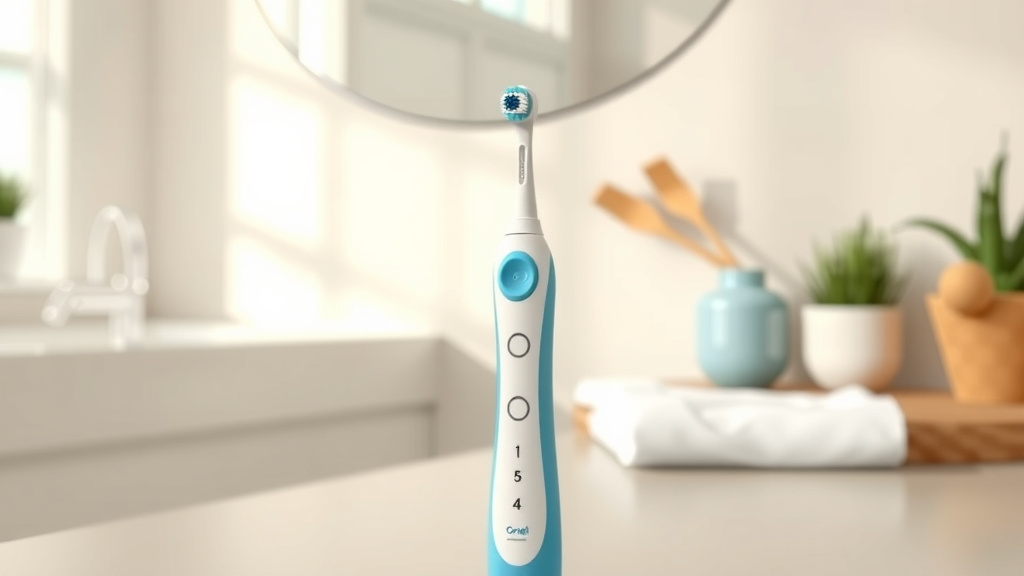
You might have noticed a button or two that changes the brushing mode. These aren’t just for show! Common modes include:
- Daily Clean: This is your go-to for everyday brushing.
- Sensitive: A gentler speed for those with sensitive gums or teeth.
- Whitening: Designed to polish away surface stains.
- Gum Care: A softer massage for your gum line.
- Deep Clean: Extends brushing time for an extra thorough clean.
Experiment with these to see what feels best for you. If you have sensitive gums, starting with the Sensitive mode is a smart choice. Many dental professionals suggest using specialized modes based on your specific oral health needs.
The Pressure Sensor: Your Gum’s Best Friend
Does your Oral-B light up red or change its vibration pattern when you press too hard? That’s the pressure sensor! Brushing too aggressively can damage your gums and enamel. This feature is a lifesaver for your gums, gently reminding you to ease up. It’s a key reason dentists often recommend electric toothbrushes.
Don’t Forget These Often-Missed Spots!
You’re doing great getting those teeth sparkling, but let’s not forget about the rest of your mouth. A truly fresh feeling includes your tongue!
Cleaning Your Tongue
Yes, your tongue needs cleaning too! Bacteria can build up on your tongue, leading to bad breath. After brushing your teeth, you can use your Oral-B brush head to gently sweep over your tongue. Start from the back and move forward. You can also use a dedicated tongue scraper if you have one. This simple step can make a huge difference in your breath.
After You Brush: Cleaning and Storing Your Oral-B
Keeping your toothbrush clean ensures it performs at its best and lasts longer. It’s a simple habit that pays off.
Rinsing the Brush Head and Handle
Once you’re done brushing, rinse the brush head thoroughly under running water. Make sure to remove any toothpaste residue. Give the handle a quick rinse too, especially around where the brush head attaches. This helps prevent toothpaste buildup.
Storing Your Toothbrush Properly
It’s best to store your electric toothbrush upright in a toothbrush holder or cup. This allows it to air dry properly between uses. Avoid storing it in closed containers or drawers, as this can create a damp environment where bacteria can thrive. Keeping it away from the toilet is also a good idea!
A Quick Checklist for Your Brushing Routine
To make sure you’re getting the most out of your Oral-B, here’s a handy checklist:
- Attach the brush head securely.
- Use a pea-sized amount of toothpaste.
- Wet the brush head after applying toothpaste.
- Place brush on teeth before turning it on.
- Guide the brush slowly over all tooth surfaces.
- Brush your tongue for fresher breath.
- Rinse brush head and handle well after use.
Conclusion
You’ve now got the full picture on how to get the most out of your Oral-B electric toothbrush. Remember, it’s all about gentle guidance and letting the brush do the powerful cleaning. By following these simple steps—from prepping your brush head to cleaning your tongue and storing it properly—you’re setting yourself up for excellent oral hygiene. You’re ready to experience that professional clean feeling every single day. So go ahead, give your smile the best care it deserves!
Frequently Asked Questions
How long should I brush my teeth with an Oral-B electric toothbrush?
Most dentists recommend brushing for a total of two minutes, twice a day. Many Oral-B models have a built-in timer that pulses every 30 seconds to signal when you should move to a different quadrant of your mouth. This helps ensure you brush for the optimal duration.
Can I use my regular toothpaste with an Oral-B electric toothbrush?
Yes, you can use your favorite regular toothpaste with your Oral-B electric toothbrush. Just remember to use only a pea-sized amount. The electric toothbrush’s motion creates its own lather, so you don’t need as much toothpaste as you might with a manual brush.
What should I do if my Oral-B toothbrush feels too harsh?
If your Oral-B feels too harsh, first check if it has a pressure sensor. If it does, it should alert you when you’re pressing too hard. You can also switch to the “Sensitive” mode if your toothbrush has one. Gently guide the brush head over your teeth without scrubbing.
How often do I need to replace my Oral-B brush head?
It’s generally recommended to replace your Oral-B brush head every three months, or sooner if the bristles become frayed or worn. Worn bristles won’t clean as effectively and could potentially harm your gums. Many brush heads have indicator bristles that fade to signal replacement time.
Is it okay to use my Oral-B toothbrush while it’s charging?
While some Oral-B models may allow you to brush while they are plugged in, it’s usually best to use them after they have been fully charged. Brushing while charging might not provide the optimal power, and it’s safer to avoid using electrical devices near water sources.