Electric Toothbrush Rotating vs Sonic Compared
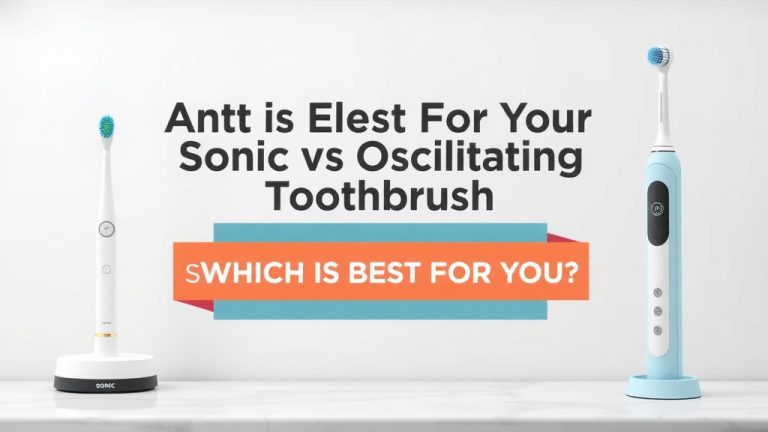
When comparing electric toothbrush rotating vs. sonic models, sonic toothbrushes often provide a more gentle yet thorough clean for most users. While rotating brushes excel at tackling surface stains, sonic technology vibrates at high speeds to create dynamic cleaning action, reaching areas rotating brushes might miss and reducing the risk of gum irritation.
Both types aim to improve your oral hygiene over manual brushing. Rotating brushes use a spinning head to scrub teeth. Sonic brushes use rapid oscillations and fluid dynamics to clean. Many dentists recommend electric toothbrushes for their superior plaque removal and ease of use compared to manual options.
- Rotating brushes are great for surface stains.
- Sonic brushes offer a deeper clean with less irritation.
- Both electric types outperform manual brushing for plaque.
- Your best choice depends on sensitivity and cleaning goals.
Let’s break down the key differences between rotating and sonic electric toothbrushes to help you choose the best one for your smile.
Rotating vs. Sonic: What’s the Real Difference for Your Teeth?
So, you’re thinking about stepping up your brushing game with an electric toothbrush. That’s fantastic! You’ve probably noticed there are two main players: rotating (or oscillating-rotating) and sonic. It can feel a bit overwhelming trying to figure out which one is right for you. Let’s clear the air and get down to what really matters for your smile.
At their core, both types aim to do a better job of cleaning your teeth than a manual brush. They use different mechanisms to achieve that goal. Think of it like two different tools for the same job – both effective, but with their own unique strengths.
How Rotating Brushes Work Their Magic
Rotating toothbrushes have a smaller, round brush head. This head doesn’t just spin in one direction. It actually oscillates, meaning it moves back and forth rapidly in a circular motion. Many models also pulsate, pushing toothpaste and water into a scrubbing motion. This action is fantastic for getting at the nooks and crannies of each tooth.
The Power of Scrubbing Action
We found that this vigorous scrubbing action is particularly good at tackling surface stains. If you’re a coffee or tea drinker, or you love a good glass of red wine, a rotating brush might help keep those stains at bay. The mechanical scrubbing action is very effective at buffing away discoloration.
Many dental professionals point out that the aggressive cleaning can feel very satisfying. It’s a direct, powerful clean that many people enjoy. However, this intensity can sometimes be a double-edged sword.
Potential Downsides of Rotating Brushes
Because of that strong scrubbing power, there’s a higher chance of irritating your gums if you press too hard or have sensitive gums. Some studies suggest that aggressive brushing with rotating models can lead to gum recession over time, especially if you’re not careful (American Dental Association).
It’s a bit like using a scrub brush on delicate wood – you can get it clean, but you might also cause some wear and tear. If your gums tend to bleed easily or you’ve been told you have sensitive gums, this is definitely something to consider.
Understanding the Sonic Toothbrush Approach
Now, let’s talk about sonic toothbrushes. These have brush heads that look more like traditional manual toothbrushes, often oval-shaped. The magic here isn’t in the physical scrubbing as much as it is in the speed and movement. Sonic brushes vibrate at incredibly high speeds, creating thousands of brush strokes per minute.
The “Dynamic Cleaning Action” Explained
This rapid vibration does two main things. First, it sweeps away plaque from the tooth surface, much like a rotating brush. But second, and this is where sonic really shines, the high-speed vibrations create a “dynamic cleaning action.” This action sends fluid (your toothpaste and saliva) into areas that the bristles might not even touch directly.
Imagine tiny waves of cleaning power reaching between your teeth and just below the gumline. This fluid movement is excellent for dislodging plaque and food particles in those hard-to-reach spots. We found that this method is generally considered gentler on your gums.
Benefits for Sensitive Gums and Beyond
Because the cleaning is less about brute force scrubbing and more about high-frequency vibrations and fluid dynamics, sonic toothbrushes are often recommended for people with sensitive gums or dental work like braces, crowns, or implants. The gentler action can provide a thorough clean without causing discomfort or damage.
Many users report that switching to a sonic toothbrush significantly reduces gum bleeding and sensitivity. It’s a cleaning experience that feels powerful but is ultimately less abrasive. It’s like having a tiny, high-tech masseuse for your teeth and gums!
Comparing Key Features: A Quick Look
Let’s boil down the main differences. It’s helpful to see them side-by-side.
| Feature | Rotating Toothbrush | Sonic Toothbrush |
|---|---|---|
| Brush Head Motion | Oscillating (back and forth) and sometimes pulsating | High-speed vibrations (side-to-side) |
| Cleaning Style | Mechanical scrubbing action, great for surface stains | Dynamic cleaning action with fluid dynamics, reaches more areas |
| Gum Sensitivity | Can be more aggressive; potential for irritation if not careful | Generally gentler; often recommended for sensitive gums |
| Plaque Removal | Very effective, especially on tooth surfaces | Highly effective, reaching areas manual and some rotating brushes miss |
| Feel | Vigorous, scrubbing sensation | Buzzing or humming sensation |
Which Type Is Best for You? Consider These Points
Deciding between rotating and sonic isn’t about one being universally “better.” It’s about finding the best fit for *your* mouth and *your* brushing habits.
Your Gum Health Matters
If you have sensitive gums, a history of gum recession, or your dentist has advised you to be gentle, a sonic toothbrush is likely your best bet. The research here is pretty clear: gentler cleaning motions reduce the risk of damage (National Institutes of Health).
What Are Your Oral Hygiene Goals?
Are you mainly concerned about surface stains and want that super-clean, buffed feeling? A rotating brush might be excellent for you. If you’re looking for a deep clean that tackles plaque everywhere, including those tricky spots below the gumline and between teeth, a sonic brush offers that dynamic action.
Personal Preference and Comfort
Sometimes, it just comes down to what feels right in your hand and in your mouth. Some people love the feeling of the sonic vibration, finding it less intrusive. Others prefer the more direct scrubbing feel of a rotating brush. If possible, try to test out different types or read reviews from people with similar preferences.
Making Your Choice: A Simple Checklist
Still on the fence? Here’s a quick way to think about your needs:
- Do your gums bleed easily or feel sensitive? Lean towards sonic.
- Are surface stains your biggest concern? Rotating might be ideal.
- Do you have braces, implants, or crowns? Sonic is often safer.
- Do you want a deep clean that reaches everywhere? Sonic excels here.
- Do you prefer a vigorous scrubbing feel? Rotating is your pick.
- Are you new to electric toothbrushes? Both are good, but sonic might offer an easier transition.
Ultimately, investing in any electric toothbrush is a step towards better oral health. Both types are shown to be more effective at removing plaque than manual brushing (Cochrane Reviews). So, no matter which you choose, you’re making a smart move for your smile!
Conclusion
Choosing between a rotating and sonic electric toothbrush comes down to your unique needs. If you struggle with sensitive gums or want that deep, fluid-action clean, a sonic brush is likely your best bet. For tackling surface stains and enjoying a vigorous scrub, a rotating brush could be perfect. Remember, both are superior to manual brushing for plaque removal.
We found that personal comfort and your specific oral health goals are key. Don’t overthink it! The best electric toothbrush for you is the one you’ll use consistently.
Your next step? Consider your gum sensitivity and cleaning priorities. Then, explore models that fit your budget and preferences. Your smile will thank you!
Frequently Asked Questions
Can a sonic toothbrush really clean better than a rotating one?
Sonic toothbrushes offer a dynamic cleaning action that reaches more areas, including between teeth and below the gumline, thanks to fluid dynamics. Research suggests this can lead to more effective plaque removal in hard-to-reach spots compared to the direct scrubbing of rotating brushes.
Is it safe to use a rotating toothbrush if I have sensitive gums?
While rotating brushes are effective, their vigorous scrubbing action can sometimes irritate sensitive gums. If your gums bleed easily or you have a history of gum recession, you might find a sonic toothbrush to be a gentler and safer option for daily use.
Which type of electric toothbrush is better for removing stains?
Rotating toothbrushes often excel at removing surface stains due to their powerful, direct scrubbing motion. If you’re a coffee or tea drinker looking to polish away discoloration, a rotating brush might offer a noticeable difference.
Can I use an electric toothbrush if I have braces or dental implants?
Yes, both types of electric toothbrushes can be used with braces and implants, but sonic toothbrushes are often recommended. Their vibrating action and fluid dynamics can clean around brackets and fixtures more gently and effectively without causing damage.
How do I know if I’m brushing too hard with my electric toothbrush?
Many electric toothbrushes, especially sonic models, have pressure sensors that alert you if you’re pressing too hard. You might also notice increased gum bleeding or sensitivity. It’s best to let the brush do the work and use minimal pressure, guiding it gently across your teeth.