Electric Toothbrush Sonic vs Oscillating
When choosing between a sonic and an oscillating electric toothbrush, most research indicates that sonic toothbrushes generally clean more thoroughly by reaching further between teeth. They work by vibrating at high speeds to create a powerful yet gentle cleaning action. If you’re looking for a superior clean and a healthier smile, sonic technology is often the preferred choice for many.
Both types offer a noticeable upgrade from manual brushing. Sonic toothbrushes use a sweeping motion, while oscillating ones spin or pulsate. We found that the high-frequency vibrations of sonic brushes are particularly effective at breaking up plaque. Understanding the core differences helps you make the best choice for your dental health.
- Sonic brushes vibrate fast for a deeper clean.
- Oscillating brushes spin or move back and forth.
- Sonic vibrations reach further between teeth.
- Both are better than manual brushing.
- Your dental needs guide the best choice.
Let’s break down exactly what makes each type tick and which one might be your new favorite way to brush.
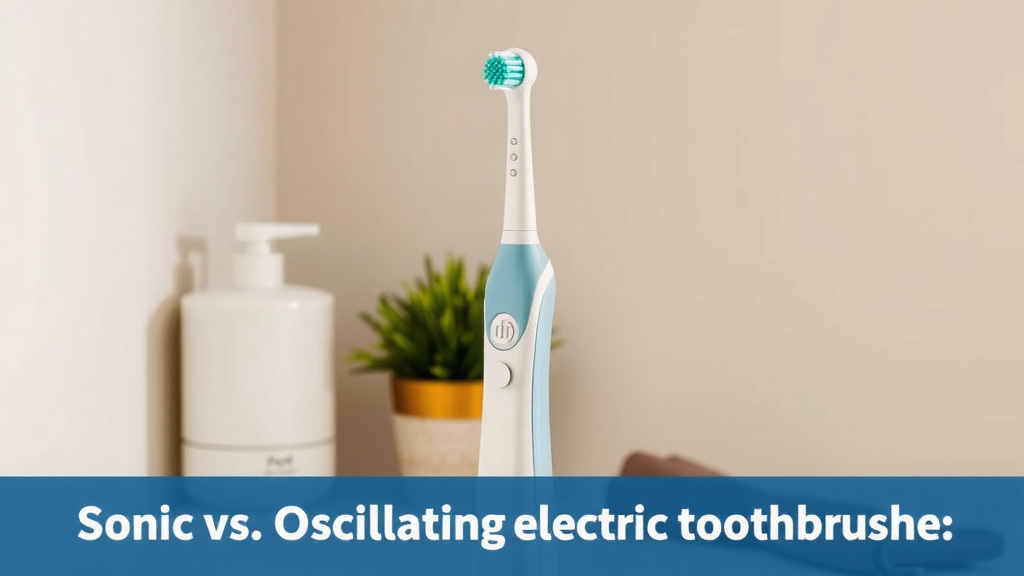
Sonic vs. Oscillating Electric Toothbrushes: Which Cleans Best?
When you’re looking to upgrade your brushing routine, the choice between a sonic and an oscillating electric toothbrush can feel a bit overwhelming. Both promise a superior clean compared to manual brushing, but they get there in different ways. We’ve found that understanding these differences is key to picking the right tool for your smile.
Essentially, sonic toothbrushes vibrate at incredibly high speeds. This creates a sweeping motion that cleans your teeth. Oscillating toothbrushes, on the other hand, spin and pulsate. This means the brush head itself moves back and forth rapidly. Research often points to sonic technology for its ability to reach areas manual brushes struggle with.
How Sonic Toothbrushes Work Their Magic
Imagine a tiny, high-speed ballet dancer for your teeth! That’s kind of what a sonic toothbrush is doing. Its brush head vibrates at an astonishing rate – many can reach tens of thousands of brush strokes per minute. This rapid vibration creates a dynamic cleaning action. It doesn’t just scrub; it also creates fluid dynamics.
This fluid action helps drive toothpaste and water between your teeth and along your gumline. Many dental professionals suggest this is where a lot of plaque hides. We found that this dynamic cleaning action is a major advantage for sonic brushes. It means a gentler yet more thorough clean.
The Power of High-Frequency Vibrations
The real star of the show for sonic brushes is their vibration frequency. This high-speed movement is what breaks up plaque effectively. It’s like a powerful, yet gentle, wave washing over your teeth. This also means you don’t need to scrub hard. Just guide the brush, and let the vibrations do the work.
Many studies have looked at the effectiveness of sonic vibrations. They often highlight how this technology can remove more plaque than manual brushing. Some research even suggests it’s more effective than oscillating brushes for certain areas. This is particularly true for reaching those tricky spots between teeth (NCBI).
Understanding Oscillating-Rotating Technology
Now, let’s talk about the oscillating-rotating toothbrushes. These typically have smaller, round brush heads. They work by spinning in a circular motion, often combined with pulsating movements. Think of a tiny power polisher for your teeth. This back-and-forth scrubbing action is designed to sweep away plaque.
We found that many users like the physical sensation of oscillating brushes. It feels like a deep clean in a more direct way. The brush head physically scrubs each tooth. This can be very effective at removing surface stains and plaque.
The Scrubbing Action Explained
The oscillating-rotating motion involves the brush head spinning rapidly. It might also move in and out, or pulsate. This action is designed to cup each tooth. It then scrubs away plaque from all sides. Many dentists recommend this type for its direct cleaning power.
Research comparing cleaning effectiveness often shows positive results for oscillating brushes too. They are known for their ability to remove plaque from tooth surfaces. Some people find this direct scrubbing action is what they prefer for that “just-cleaned” feeling. However, the smaller head size can sometimes make it harder to reach.
Key Differences: Sonic vs. Oscillating at a Glance
So, what’s the main takeaway when you put them side-by-side? It’s all about the motion. Sonic brushes use high-speed vibrations and fluid dynamics. Oscillating brushes use a physical scrubbing action with spinning and pulsating heads. Both are effective, but they tackle plaque differently.
We’ve put together a quick comparison to help you visualize the distinctions. This should make it easier to decide which technology might suit your needs best.
| Feature | Sonic Toothbrush | Oscillating-Rotating Toothbrush |
|---|---|---|
| Motion | High-speed vibrations (tens of thousands per minute) | Spinning and pulsating (circular, back-and-forth) |
| Cleaning Action | Fluid dynamics, sweeping motion, vibration | Direct scrubbing, physical removal of plaque |
| Brush Head Shape | Often elongated, similar to manual brushes | Typically round, smaller |
| Plaque Removal | Effective, especially between teeth and along gums | Effective on tooth surfaces, good for stain removal |
| Pressure Sensitivity | Generally gentler, relies on vibration | Can require more direct pressure, some have sensors |
Which Technology Wins for Plaque Removal?
When it comes to getting rid of plaque, both technologies are leaps and bounds ahead of manual brushing. However, research often gives a slight edge to sonic toothbrushes. Their high-frequency vibrations and fluid action can reach into areas a scrubbing head might miss. This makes them excellent for cleaning between teeth and under the gumline.
A review of multiple studies found that sonic toothbrushes can be more effective at reducing gingivitis and plaque compared to manual brushing and even some oscillating brushes (Cleveland Clinic). The dynamic fluid action is a key factor here. It helps dislodge debris even where the bristles don’t physically touch.
Gum Health Considerations
For your gum health, both types can be beneficial when used correctly. However, the gentler, sweeping motion of sonic toothbrushes is often recommended for people with sensitive gums. Because you don’t need to apply as much pressure, there’s less risk of irritation or gum recession. Many experts suggest that the key is to let the brush do the work.
Oscillating brushes can also be great for gum health, especially those with pressure sensors. These sensors alert you if you’re brushing too hard. This helps prevent damage to your gums and enamel. It’s important to follow the manufacturer’s instructions for either type.
Ease of Use and User Experience
How easy is it to actually use these brushes day-to-day? For many, sonic toothbrushes are very intuitive. The elongated brush head feels familiar, much like a manual toothbrush. You simply guide it along your teeth, letting the vibrations do the heavy lifting. This makes the transition from manual brushing quite smooth.
Oscillating-rotating brushes might feel a little different at first. The smaller, round head requires you to place it on each tooth surface. Some people love this precise control. Others find it takes a bit of getting used to. It’s a matter of personal preference and what feels most comfortable in your hand and mouth.
Battery Life and Features
When looking at electric toothbrushes, you’ll also want to consider battery life and extra features. Most modern sonic and oscillating brushes boast long battery lives, often lasting weeks on a single charge. This is great for travel. Many also come with multiple brushing modes, timers, and even app connectivity.
These extra features can help you perfect your brushing technique. Timers ensure you brush for the dentist-recommended two minutes. Some apps can track your coverage. We found that while these features are nice, the core cleaning technology is the most important factor for your oral hygiene.
Making the Right Choice for Your Smile
Deciding between a sonic and an oscillating electric toothbrush comes down to your personal preferences and dental needs. If you’re looking for a deep clean that reaches into tricky spots and are gentle on your gums, a sonic toothbrush might be your best bet. Their vibrating action is excellent for plaque disruption and fluid cleaning.
If you prefer a more direct, scrubbing sensation and a smaller brush head that can precisely clean each tooth, an oscillating-rotating brush could be ideal. Many people find they love the feeling of a physical scrub. Whichever you choose, upgrading to an electric toothbrush is a fantastic step for your oral health.
Your Personal Brushing Checklist
To help you decide, consider these points:
- Do you have sensitive gums?
- Do you want to focus on reaching between teeth?
- Do you prefer a familiar brush head shape?
- Do you like a direct scrubbing feeling?
- Are you looking for advanced features like app tracking?
- What’s your budget for a new toothbrush?
Conclusion
You’ve learned that both sonic and oscillating electric toothbrushes offer fantastic upgrades from manual brushing. Sonic brushes excel with their high-speed vibrations, creating fluid dynamics that reach deep between teeth and along the gumline. If you have sensitive gums or want to tackle hard-to-reach plaque, a sonic brush is likely your best bet. Oscillating brushes, with their direct scrubbing action, are great for removing surface stains and giving you that “physically cleaned” feeling. Consider your personal comfort and specific dental needs to make your final choice. Your journey to a healthier smile starts with picking the right tool for you!
Frequently Asked Questions
Are sonic toothbrushes better for sensitive gums than oscillating ones?
Yes, sonic toothbrushes are often recommended for sensitive gums. Their high-frequency vibrations create a sweeping motion that’s generally gentler. You typically don’t need to apply as much pressure, reducing the risk of irritation or gum recession.
Can an oscillating toothbrush clean between my teeth effectively?
Oscillating toothbrushes can clean between teeth, especially those with smaller, round heads designed to cup each tooth. However, research often suggests sonic toothbrushes may have an edge due to their fluid dynamics, which help dislodge debris in tight spaces.
How long do the brush heads on these electric toothbrushes usually last?
Most electric toothbrush manufacturers recommend replacing the brush head every three months. This ensures optimal cleaning performance and hygiene. You’ll find replacement heads readily available for both sonic and oscillating models.
Is there a big difference in battery life between sonic and oscillating models?
Generally, battery life is comparable between the two types. Most modern sonic and oscillating electric toothbrushes can last several weeks on a single charge. This makes them convenient for travel without needing a charger.
Which type of electric toothbrush is better for removing coffee stains?
For surface stains like those from coffee, an oscillating-rotating toothbrush might offer a slight advantage. Its direct scrubbing action is very effective at polishing away stains from the tooth’s surface. However, both types will significantly improve overall oral hygiene.