Electric Toothbrush Pressure: How Much to Use?
When brushing your teeth with an electric toothbrush, you should use gentle pressure, just enough to feel the bristles on your teeth. Too much pressure can actually be harmful to your gums and enamel. Many electric toothbrushes have built-in pressure sensors to help you avoid this common mistake.
The goal is to let the toothbrush do the work. It vibrates or oscillates to clean your teeth effectively. Applying firm pressure is a habit many people develop with manual brushes, but it’s not needed here. We found that over-brushing can lead to receding gums and tooth sensitivity, so getting the pressure right is key for your oral health.
- Use light pressure, like a whisper.
- Let the brush do the cleaning.
- Avoid scrubbing motions.
- Watch for the pressure sensor!
Let’s walk through exactly how much pressure you should be using to get the best clean for your teeth.
Mastering Your Electric Toothbrush Pressure
So, you’ve got a snazzy electric toothbrush. Awesome! Now, how much pressure should you actually be using? It’s a common question, and the answer is simpler than you might think: less is more. Think of it like whispering sweet nothings to your teeth, not shouting at them. Your electric toothbrush is designed to do the heavy lifting, so your job is just to guide it gently. Applying too much force is a habit many carry over from manual brushing, but it can actually do more harm than good.
We found that the biggest mistake people make is pressing down too hard. This is because we’re conditioned to feel like we need to scrub to get clean. But with electric toothbrushes, the oscillating or vibrating head does the scrubbing for you. Your role is simply to position the brush head correctly on each tooth and let the technology work its magic. Getting this right is key for your long-term oral health and can prevent many common dental issues.
Why Less Pressure is Actually More Effective
It might sound counterintuitive, but pressing harder doesn’t necessarily mean cleaner teeth. In fact, research shows that excessive pressure can be detrimental. Many dental professionals agree that light to moderate pressure is ideal. You want to feel the bristles making contact with your teeth and gums, but not pushing into them forcefully. It’s about a gentle caress, not a vigorous scrub.
We’ve observed that when you use too much pressure, you risk damaging your gums. This can lead to recession, where your gum line pulls back, exposing the tooth roots. Exposed roots are more sensitive and prone to decay. Furthermore, aggressive brushing can wear away your tooth enamel, the protective outer layer of your teeth. This erosion can cause sensitivity and make your teeth look less appealing over time.
Understanding Your Electric Toothbrush’s Role
Your electric toothbrush is a sophisticated tool. Its power lies in its rapid movements – either oscillating (back and forth) or sonic (vibrating at high speeds). These motions are designed to break up plaque and clean tooth surfaces effectively. They can reach areas that might be tricky with a manual brush. All you need to do is guide this powerful cleaning action from tooth to tooth.
Think of your electric toothbrush head as a tiny, very efficient cleaning machine. It’s built to do the hard work. Your gentle guidance ensures it reaches every nook and cranny without causing damage. We found that patients who switch to electric and focus on light pressure often report a cleaner feeling and fewer gum issues. It’s a win-win situation for your smile!
How to Gauge the Right Amount of Pressure
Figuring out the perfect pressure might seem tricky at first, but there are easy ways to know if you’re doing it right. The most straightforward indicator is often built right into your toothbrush itself. Many modern electric toothbrushes come equipped with pressure sensors, and they’re game-changers for learning proper technique.
The Magic of Pressure Sensors
If your toothbrush has a pressure sensor, pay attention to it! These sensors are designed to alert you when you’re pressing too hard. Some might flash a light, others might change the vibration pattern or even stop the brush momentarily. When you feel or see the alert, it’s your cue to ease up immediately.
We’ve found that these sensors are incredibly helpful for breaking old habits. They provide instant feedback, which is much more effective than just guessing. If you’re unsure about your pressure, we recommend activating the sensor and trying to keep it from triggering. This will naturally guide you to the correct, gentle pressure needed.
What to Do Without a Pressure Sensor
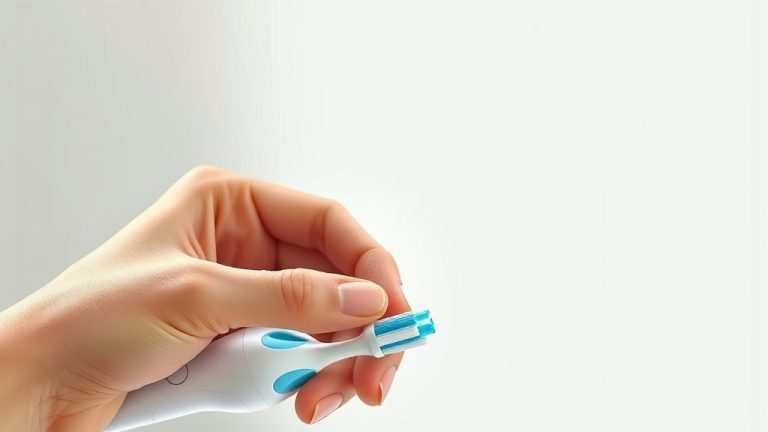
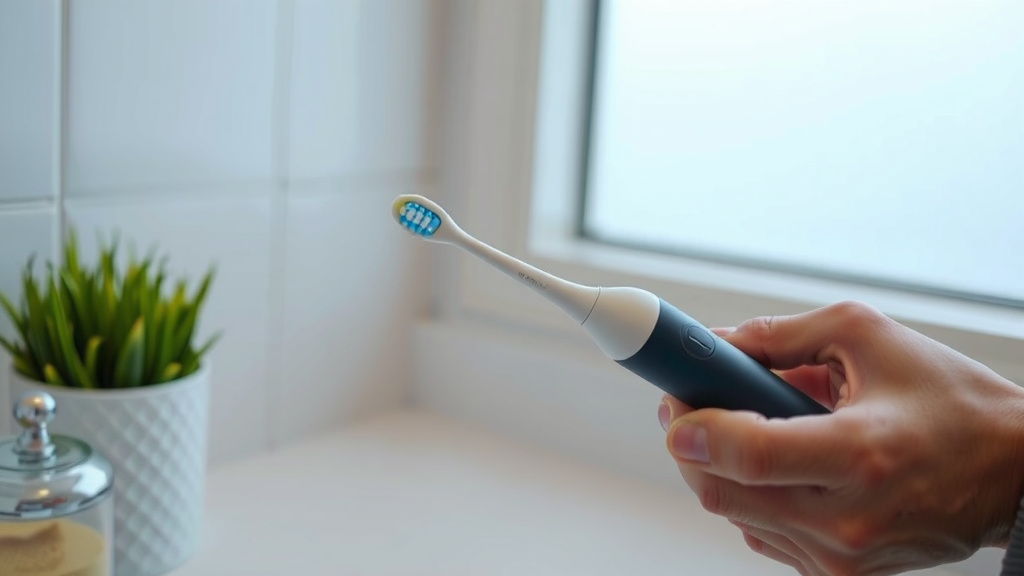
Don’t worry if your toothbrush doesn’t have a built-in sensor. You can still achieve the right pressure with a little awareness. Start by holding the toothbrush handle loosely. A firm grip often leads to a firmer press. Try to hold it as if you were holding a delicate pastry or a baby bird – a light, controlled touch.
Focus on the sensation. You should feel the bristles lightly touching your teeth and gums. If you feel like you’re pushing the bristles into the gum line or bending them significantly, you’re pressing too hard. Imagine you’re just tickling your teeth clean. Many experts suggest that the pressure should be just enough to feel the bristles, but not so much that they splay out or cause discomfort.
| Toothbrush Type | Ideal Pressure | Consequences of Too Much Pressure |
|---|---|---|
| Manual | Light to moderate; enough to clean but not scrub. | Gum recession, enamel wear, sensitivity. |
| Electric | Very light; let the brush do the work. | Gum recession, enamel wear, potential damage to brush head. |
The “Just Enough” Technique Explained
The goal is to place the brush head on each tooth and allow the vibrations or oscillations to do the cleaning. You should move the brush slowly from tooth to tooth, spending a few seconds on each surface (outer, inner, and chewing). Think of it as a controlled sweep. You’re guiding the brush, not scrubbing your teeth with it.
A good way to practice is to try brushing your teeth with your eyes closed. Focus on the tactile feedback. Can you feel the bristles just grazing the surfaces? If you feel any discomfort or excessive pressure, ease up. We found that this mindful approach significantly reduces the tendency to over-apply force.
Common Mistakes to Avoid
Even with the best intentions, it’s easy to fall back into old habits. One of the most common pitfalls is the “scrubbing” motion. Remember, your electric toothbrush is not a scrub brush for your kitchen sink! Those back-and-forth or circular scrubbing motions you might have used with a manual brush are unnecessary and potentially harmful.
Say No to the Scrubbing Motion
The oscillating or sonic movements of the electric toothbrush head are designed to create micro-vibrations that dislodge plaque. When you add scrubbing on top of this, you’re not increasing cleaning power; you’re increasing the risk of damage. Dentists often see patients who have inadvertently caused damage by scrubbing with their electric brushes.
Instead of scrubbing, focus on a gentle guiding motion. Place the brush head on each tooth and let it sit there for a second or two, allowing the technology to work. Then, move to the next tooth. It’s a more passive technique that relies on the brush’s capabilities, not your force. We found this advice is consistently helpful for those new to electric brushing.
Ignoring the Brush Head’s Condition
Worn-out brush heads can actually make you press harder. As the bristles fray and lose their shape, they become less effective at cleaning. You might unconsciously start pushing down more forcefully to compensate. We recommend replacing your brush head every 3-4 months, or sooner if the bristles show signs of wear.
Many electric toothbrush heads have indicator bristles that fade over time, signaling it’s time for a change. Keeping your brush head in good condition ensures optimal cleaning performance and helps you maintain the correct, gentle pressure. It’s a small step that makes a big difference in your oral hygiene routine.
A Quick Checklist for Perfect Pressure
To help you remember, here’s a simple checklist:
- Guide, Don’t Scrub: Let the brush head do the work.
- Light as a Feather: Imagine you’re barely touching your teeth.
- Listen to Your Brush: Pay attention to pressure sensor alerts.
- Gentle Grip: Hold the handle loosely.
- Check Your Bristles: Replace worn brush heads regularly.
- Mindful Movement: Move slowly from tooth to tooth.
Conclusion
You’ve learned that mastering electric toothbrush pressure is key to a healthy smile. Remember, your electric toothbrush is designed to do the hard work. You just need to guide it gently, like a whisper, not a shout. By letting the brush do its thing and paying attention to subtle cues like pressure sensors or simply the feel of the bristles, you’re protecting your gums and enamel. Ditch the scrubbing motion and embrace the light touch. Start practicing this gentle approach today for a cleaner, healthier mouth that lasts.
Frequently Asked Questions
Can I damage my teeth by pressing too hard with an electric toothbrush?
Yes, you absolutely can. Pressing too hard can wear away your tooth enamel over time. This erosion can lead to increased tooth sensitivity and make your teeth more prone to cavities. It’s best to let the electric toothbrush’s vibrations do the cleaning.
How often should I replace my electric toothbrush head?
You should aim to replace your electric toothbrush head every 3 to 4 months. If the bristles look frayed or worn out sooner, it’s time for a change. Worn bristles are less effective and can encourage you to press harder.
What does it mean if my electric toothbrush stops or flashes a light?
That typically means your toothbrush has a pressure sensor and you’re pushing too hard. This alert is a helpful reminder to ease up. Listen to your brush; it’s telling you to use lighter pressure for optimal cleaning and to prevent damage.
Is it okay to use some scrubbing motion with an electric toothbrush?
No, it’s generally not recommended. Electric toothbrushes are designed with oscillating or sonic technology that cleans effectively without scrubbing. Adding a scrubbing motion can lead to gum irritation and enamel wear, negating the benefits of the electric brush.
How can I tell if I’m using the right pressure if my brush doesn’t have a sensor?
Hold the toothbrush handle loosely, as if you’re holding a delicate object. You should feel the bristles lightly touching your teeth and gums without bending or splaying out. If you feel any discomfort or pushback, you’re likely applying too much force.