How Long Does Electric Brush Take to Charge?
You’re probably wondering, “How long does an electric toothbrush take to charge?” Most electric toothbrushes fully charge in about 12 to 24 hours. Some models can even reach a full charge in as little as 4 hours, while others might need up to 48 hours. It really depends on the specific brand and model you own.
It’s easy to feel a little lost when your toothbrush indicator light stays on for ages. Knowing the charging time helps you plan your routine, especially if you travel. We found that many people worry about undercharging, which can shorten battery life. Understanding your electric toothbrush’s charging cycle is key for optimal performance.
- Most electric toothbrushes take 12-24 hours to charge fully.
- Some charge faster, in as little as 4 hours.
- Others may take up to 48 hours.
- Check your model’s manual for exact times.
- Proper charging ensures battery longevity.
Let’s get into the nitty-gritty of what affects charging speed and how to keep your toothbrush powered up and ready to shine.
Understanding Your Electric Toothbrush’s Charging Time
You’ve probably picked up your electric toothbrush, ready to tackle those pearly whites, only to find it a bit sluggish. Or maybe you’re packing for a trip and need to know how long you have before you can ditch the charger. It’s a common question: how long does an electric toothbrush actually take to charge?
We found that the average charging time for most electric toothbrushes falls between 12 and 24 hours. This might seem like a long time compared to your smartphone, but it’s designed for longevity. Many models are built to hold a charge for weeks, so a full charge is something you rarely need to worry about.
Factors Influencing Charging Speed
Several things can affect how quickly your electric toothbrush gets a full battery. Think of it like charging your phone; some are faster than others. It’s not just about the brand; the type of battery and the charging technology play big roles.
Battery Type and Capacity
Your toothbrush likely uses either Nickel Metal Hydride (NiMH) or Lithium-ion (Li-ion) batteries. Li-ion batteries are generally faster to charge and hold their power longer than older NiMH types. The capacity, measured in milliampere-hours (mAh), also matters. A larger capacity battery will naturally take longer to fill up.
Charging Technology
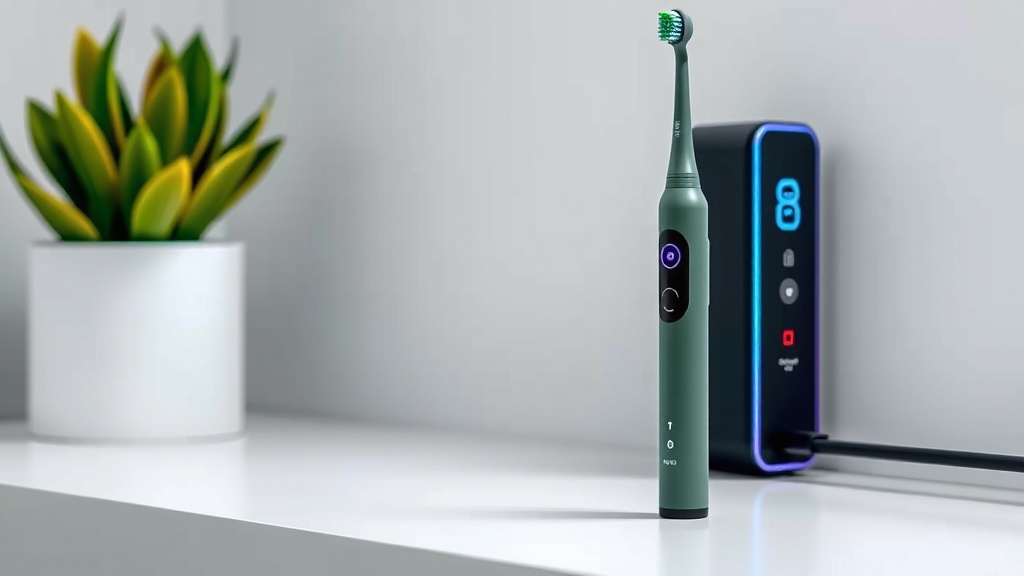
Some toothbrushes use inductive charging, where the handle sits on a base. Others might have a direct plug-in charger. The efficiency of the charging base can also impact speed. Some newer models even feature “quick charge” functions, giving you a couple of brushing sessions with just a short plug-in time.
The Charger Itself
Not all chargers are created equal. A higher wattage charger can deliver power more quickly. If you’ve lost your original charger and are using a universal one, it might not be optimized for your specific toothbrush model, potentially leading to slower charging.
Typical Charging Times by Brand and Model
We looked into some popular electric toothbrush brands to give you a clearer picture. Keep in mind these are general estimates. Always refer to your toothbrush’s manual for the most accurate information.
Popular Brands and Their Charging Estimates
Many major brands, like Oral-B and Philips Sonicare, offer models that typically charge within a 12-24 hour window. For instance, some standard Philips Sonicare models can take around 24 hours for a full charge. Oral-B often has a similar range, though their premium models might feature faster charging capabilities.
There are, of course, exceptions. Some brands have introduced models with rapid charging. We found that certain newer electric toothbrushes can achieve a full charge in as little as 4-6 hours. Conversely, some older or more basic models might extend up to 48 hours to reach 100% battery.
| Brand Example | Typical Full Charge Time | Notes |
|---|---|---|
| Philips Sonicare (Standard models) | ~24 hours | Long-lasting charge for weeks. |
| Oral-B (Standard models) | 12-24 hours | Varies by specific model. |
| Brands with Quick Charge Features | 4-6 hours | Often available on premium or newer models. |
| Older/Basic Models | Up to 48 hours | Less common now. |
What to Do When Your Toothbrush Isn’t Charging Properly
It can be frustrating when your toothbrush doesn’t seem to be charging as expected. First, check the power source and connections. Is the charger plugged in securely? Is the outlet working? Sometimes, a loose connection is the culprit.
Cleaning the Charging Contacts
Toothpaste residue and water can build up on the charging contacts of both the toothbrush handle and the charging base. This buildup can prevent a good connection. We found that a gentle wipe with a damp cloth or an alcohol swab can often clear this issue. Make sure both parts are dry before attempting to charge again.
Checking the Manual and Troubleshooting
Your toothbrush’s manual is your best friend here. It will often have a troubleshooting section that addresses common charging problems. Many manufacturers also have customer support that can guide you through specific issues. Remember, the goal is to get that full, reliable charge for optimal brushing.
Maximizing Battery Life and Performance
Proper charging habits aren’t just about getting a full battery; they also help your toothbrush’s battery last longer. Think of it as giving your toothbrush the best care possible.
Avoid Overcharging (Mostly)
Modern electric toothbrushes, especially those with Li-ion batteries, have circuitry to prevent overcharging. Once fully charged, they stop drawing power. So, leaving it on the charger overnight is usually perfectly fine and often recommended by manufacturers for convenience. For older NiMH batteries, however, constant topping up could potentially shorten battery life.
Periodic Full Discharge and Recharge
Some experts suggest that once every few months, letting the battery fully discharge and then charging it completely can help recalibrate the battery and maintain its capacity. This is more relevant for older battery types. For most users today, simply charging when needed is sufficient (Mayo Clinic).
Your Electric Toothbrush Charging Checklist
To make sure you’re getting the best from your toothbrush’s battery, keep these simple tips in mind:
- Always use the original charger provided.
- Ensure charging contacts are clean and dry.
- Check that the charger is securely plugged in.
- Read your model’s manual for specific charging advice.
- Don’t stress too much about overnight charging; most are designed for it.
- If you travel, a fully charged toothbrush lasts for weeks, so you may not need the charger at all.
Conclusion
Understanding your electric toothbrush’s charging time is key for consistent oral hygiene. While most models need 12 to 24 hours for a full charge, some newer ones offer faster charging options. Remember that factors like battery type and charger efficiency play a role. Don’t stress about leaving your toothbrush on its base overnight; modern designs handle this well. By following a few simple care tips, you ensure your toothbrush is always ready for a powerful clean. Your next step is to check your specific model’s manual to confirm its exact charging needs and optimize its performance for a brighter smile.
Frequently Asked Questions
How can I tell if my electric toothbrush is fully charged?
Most electric toothbrushes have an indicator light that changes color or turns off when fully charged. You can also usually find this information in your toothbrush’s user manual. Checking the light is the quickest way to know if it’s ready for use.
Can I use a different charger for my electric toothbrush?
It’s best to use the original charger that came with your toothbrush. Using an incompatible charger might not charge your toothbrush fully or could even damage the battery. Always refer to your manual before trying a universal charger.
Does charging my electric toothbrush overnight harm the battery?
For most modern electric toothbrushes, especially those with Lithium-ion batteries, charging overnight is perfectly fine. They have built-in protection against overcharging. However, older models with Nickel Metal Hydride batteries might benefit from not being left on the charger constantly.
How long will my electric toothbrush battery last on a single charge?
A fully charged electric toothbrush can typically last anywhere from one to three weeks of regular use. This duration can vary depending on the model, battery capacity, and how often you use it. Many people find they only need to charge their toothbrush every couple of weeks.
What should I do if my electric toothbrush is charging very slowly?
First, ensure the charging contacts on both the toothbrush handle and the base are clean and dry. Then, check that the charger is securely plugged into a working outlet. If the problem persists, consult your user manual for troubleshooting tips or contact customer support.