Electric vs Manual Toothbrush: Which Is Better For Your Smile
When choosing between an electric toothbrush and a manual one, electric toothbrushes generally offer superior cleaning. Research and found that electric models remove more plaque and reduce gingivitis more effectively than manual brushes. They make it easier to achieve a thorough clean, especially for those with dexterity issues.
This doesn’t mean manual brushes are bad. With proper technique, a manual toothbrush can also keep your teeth clean. But electric toothbrushes often bring a higher level of consistency. Many studies have looked into the differences, and the results lean towards electric for a healthier smile.
- Electric toothbrushes remove more plaque.
- They are better at reducing gum inflammation.
- Many people find them easier to use correctly.
- Manual brushes can still work well with good technique.
Let’s break down the pros and cons of each so you can decide which one is right for your daily routine.
Electric Versus Manual: Your Guide to a Cleaner Smile
Choosing the right toothbrush is a big deal for your oral health. You want a brush that effectively removes plaque and keeps your gums happy. We’ve looked into the differences between electric and manual toothbrushes. Many studies have shown electric brushes tend to be more effective for most people. Let’s explore why and help you make the best choice for your smile.
The Power of Electric: Why It Stands Out
Electric toothbrushes use powered movements to clean your teeth. This can be oscillating (back-and-forth) or sonic (vibrating at high speed). These motions often do a lot of the work for you. Research and found that this powered action leads to better plaque removal compared to manual brushing.
Superior Plaque Removal
Plaque is a sticky film of bacteria that causes cavities and gum disease. Electric toothbrushes are designed to sweep away plaque more efficiently. Their rapid movements can reach areas that are harder to clean with a manual brush. A review of studies by Cochrane found that electric toothbrushes reduced plaque by 21% and gingivitis by 11% compared to manual brushes.
Ease of Use for Everyone
For many people, an electric toothbrush simplifies the brushing process. You simply guide the brush head over each tooth surface. This is a big plus for individuals with limited mobility, such as those with arthritis or carpal tunnel syndrome. It means they can achieve a thorough clean without struggling. Many dentists recommend electric brushes for these very reasons.
Built-in Timers and Pressure Sensors
Do you ever wonder if you’re brushing for long enough? Many electric toothbrushes come with built-in two-minute timers. Some even have quadpacers that beep every 30 seconds. This helps you ensure you’re spending enough time on each section of your mouth. Others have pressure sensors that alert you if you’re brushing too hard. This can protect your gums and enamel from damage.
The Strength of Manual: When Simplicity Wins
Don’t count out the humble manual toothbrush just yet! When used correctly, it can be a very effective tool. The key here is technique. You need to be mindful of your brushing motion and ensure you cover all surfaces of your teeth.
Affordability and Accessibility
Manual toothbrushes are significantly cheaper than electric ones. You can find a good quality manual brush for just a few dollars. They don’t require batteries or charging, making them ideal for travel or situations where power isn’t readily available. Everyone can easily afford and access a manual brush.
Control Over Your Brushing
With a manual brush, you have complete control over the pressure and motion. Some people prefer this hands-on approach. They feel more connected to the cleaning process. This can be an advantage if you have specific areas you need to focus on or a particular brushing style you trust.
The Importance of Proper Technique
To get the most out of a manual brush, you need to use the right technique. Dentists often recommend a gentle, circular motion. You should aim to clean the outer, inner, and chewing surfaces of each tooth. Holding the brush at a slight angle towards the gum line can help clean along the gum line effectively. Focusing on technique is absolutely vital for manual brush users.
Key Differences at a Glance
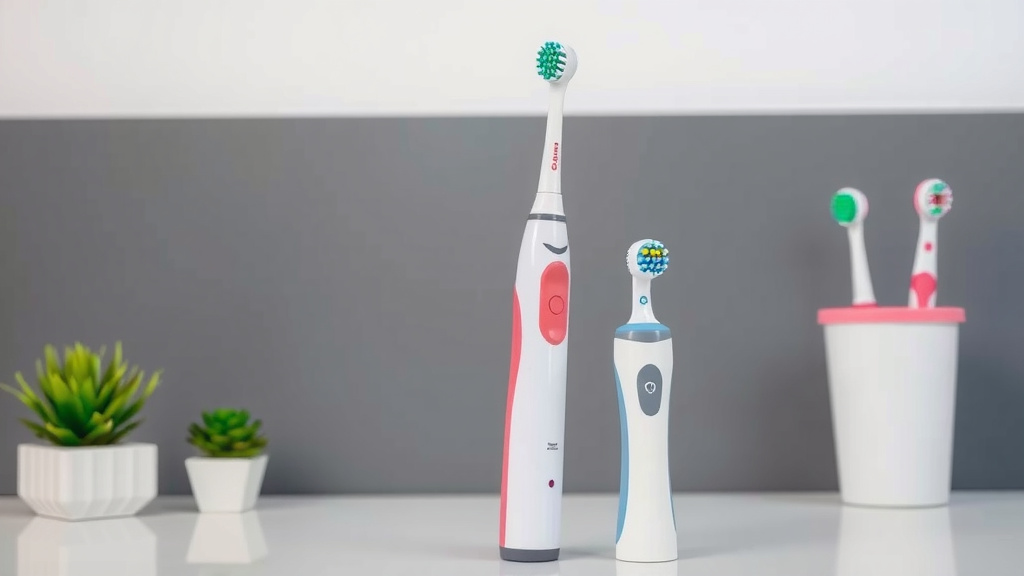
Let’s summarize the main points to help you visualize the choice.
| Feature | Electric Toothbrush | Manual Toothbrush |
|---|---|---|
| Plaque Removal | Generally more effective due to powered movements. | Effective with proper technique. |
| Gum Health | Studies show better reduction in gingivitis. | Good if used gently and correctly. |
| Ease of Use | High; often recommended for mobility issues. | Requires good manual dexterity and technique. |
| Cost | Higher initial cost, replacement heads add up. | Very affordable. |
| Features | Timers, pressure sensors, different modes. | Basic brush head and handle. |
| Power | Requires charging or batteries. | No power needed. |
Making Your Decision: What’s Best for You?
Ultimately, the “best” toothbrush is the one you will use consistently and correctly. If you struggle with manual dexterity or find it hard to brush for the full two minutes, an electric toothbrush could be a fantastic investment in your oral health. The consistency and features often make up for the higher cost.
However, if you have excellent brushing technique and are diligent about brushing for two minutes twice a day, a manual toothbrush can certainly keep your teeth clean and healthy. It’s also a much more budget-friendly option. Many people even use both, perhaps an electric at home and a manual for travel.
Your Personalized Oral Health Checklist
To help you decide, consider these questions about your own habits and needs:
- Do you find it hard to brush for the full two minutes?
- Do you have any dexterity issues that make manual brushing difficult?
- Are you concerned about brushing too hard and damaging your gums?
- What is your budget for oral hygiene tools?
- Do you travel frequently and need a low-maintenance option?
- Are you looking for features that encourage better brushing habits?
Conclusion
Choosing between an electric and manual toothbrush boils down to your personal needs and habits. Research shows electric toothbrushes often offer a more effective clean, especially for plaque and gum health, and can be a great help if you have dexterity challenges. However, a manual brush, used with the right technique, can still provide excellent oral hygiene and is budget-friendly. Think about your budget, any physical limitations, and how consistently you brush. Your best bet is the brush that gets you to brush thoroughly, every time, for a healthier, happier smile.
Frequently Asked Questions
Are electric toothbrushes really worth the extra cost?
For many people, yes. Research consistently shows electric toothbrushes remove more plaque and reduce gingivitis better than manual ones. If you struggle with manual brushing technique or have limited mobility, the added features like timers and pressure sensors can make a big difference in achieving a better clean.
Can a manual toothbrush still give you a healthy smile?
Absolutely. A manual toothbrush can be very effective when you use proper technique. This means brushing gently in a circular motion for two minutes, twice a day, ensuring you clean all surfaces of your teeth. The key is consistency and correct form.
Which type of toothbrush is better for sensitive gums?
Electric toothbrushes with pressure sensors can be very beneficial for sensitive gums. They alert you if you’re brushing too hard, which can prevent irritation and damage. If using a manual brush, focus on very gentle strokes and a soft-bristled brush.
Is it okay to use both an electric and a manual toothbrush?
Yes, that’s a great approach for some people! You might prefer the thoroughness of an electric toothbrush at home but use a manual one for travel or quick touch-ups. This gives you the benefits of both options without being locked into just one.
How often should I replace my toothbrush head or manual brush?
Dentists recommend replacing both manual toothbrushes and electric toothbrush heads every three to four months, or sooner if the bristles become frayed. Worn bristles are less effective at cleaning your teeth and can even harm your gums.