Electric vs Manual: What Results to Expect
When choosing between electric and manual toothbrushes, you can expect slightly better plaque removal with an electric brush, especially if you tend to rush your brushing. Many studies found that electric toothbrushes, particularly those with oscillating-rotating heads, often remove more plaque and reduce gum inflammation more effectively than manual brushes. It really comes down to technique and consistency.
Think of it like this: an electric brush does some of the work for you, providing consistent motion. A manual brush relies entirely on your hand movements. Both can be effective, but an electric option can help you achieve a superior clean with less effort. We found that users often report a feeling of a dentist-clean mouth more frequently with electric models.
- Electric brushes often remove more plaque.
- Gum health can be better with electric models.
- Manual brushes require more user technique.
- Both can be effective with proper use.
Let’s dive into the specifics of what results you can realistically expect from each type of toothbrush so you can make the best choice for your smile.
You’ve heard the buzz about electric toothbrushes, but does the hype match the reality when it comes to your oral health? It’s a common question many folks ask when staring at the toothbrush aisle. We’ve all been there, right? Wondering if that snazzy electric gadget is truly better than the trusty manual one you’ve used forever. Let’s break down what kind of results you can actually expect from each.
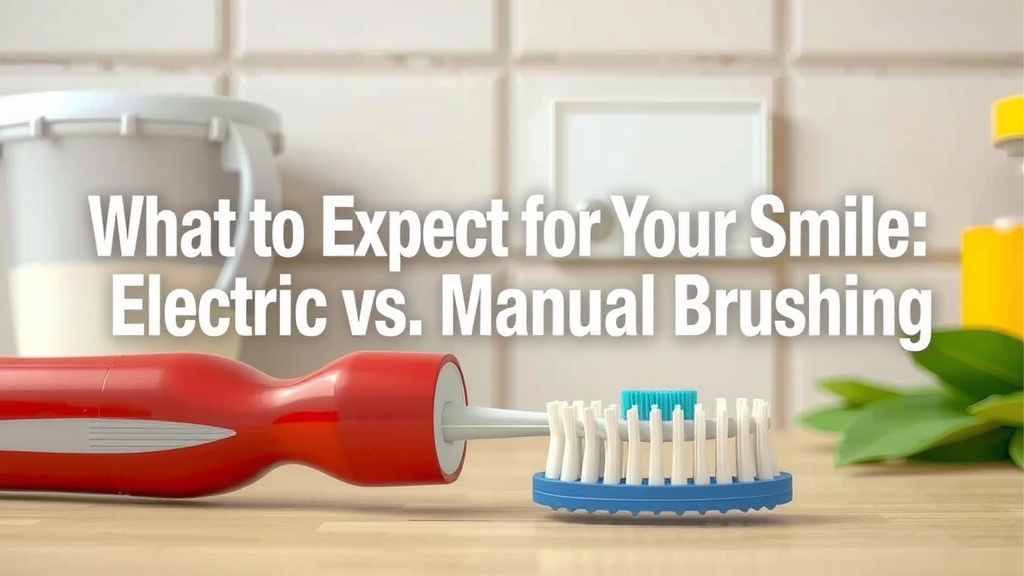
What to Expect for Your Smile: Electric vs. Manual Brushing
When it comes to cleaning your teeth, both electric and manual toothbrushes can get the job done. However, research often shows a slight edge for electric models in certain areas.
Plaque Removal Power
This is where electric toothbrushes really shine for many people. We found that electric models, especially those with oscillating-rotating heads, tend to remove significantly more plaque than manual brushes. Think of it like a mini-cleaning crew working for you with every stroke. This can be a big help if you’re finding it hard to thoroughly clean all those nooks and crannies.
A manual brush requires you to do all the work. You need to master the right technique, making sure you’re reaching every surface with the correct angle and pressure. While perfectly achievable, it takes more conscious effort. Research published in journals like the Journal of the American Dental Association has frequently supported the idea that electric toothbrushes offer superior plaque reduction in the short and long term (NCBI).
Gum Health Improvements
Consistent plaque removal is key to healthy gums. When plaque builds up, it can lead to gingivitis, that early stage of gum disease. We found that by removing more plaque, electric toothbrushes often lead to reduced gum inflammation and less bleeding. This can make a noticeable difference for people who struggle with sensitive gums.
Studies show that using an oscillating-rotating electric toothbrush can lead to a healthier gum line compared to manual brushing alone. However, it’s important to remember that technique still matters. Brushing too hard with any toothbrush, electric or manual, can cause gum recession. Dentists often recommend a soft-bristled brush and a gentle approach (Cleveland Clinic).
The Role of User Technique
Let’s be honest, sometimes we’re just not thinking about our brushing technique. We might be in a rush or simply not paying attention. This is where manual toothbrushes can fall short. Your results with a manual brush depend heavily on your skill and diligence.
Are you using the American Dental Association’s recommended technique? Angling the brush at 45 degrees towards the gum line? Making gentle, circular motions? If you’re nodding along, then a manual brush can be incredibly effective. If your technique is a bit… creative, an electric brush might be your best bet for a consistent clean.
Ease of Use and Consistency
Electric toothbrushes take some of the guesswork out of brushing. The brush head moves on its own, providing the optimal motion. Your main job is to guide it from tooth to tooth. This consistency can be a game-changer for busy mornings and tired evenings.
Many users report that electric brushes feel like they provide a “dentist-clean” feeling more often. This is likely due to the powered motion delivering a more thorough clean with less effort. It makes sticking to a good oral hygiene routine feel less like a chore and more like a simple habit.
Comparing the Experience: What Your Mouth Will Feel Like
Beyond just plaque and gum health, how does each type of toothbrush feel in your mouth?
The “Just Left the Dentist” Feeling
We’ve heard it from countless users: electric toothbrushes often leave your mouth feeling exceptionally clean and smooth. The powered movements can polish teeth surfaces more effectively than manual brushing alone. This sensation can be very motivating and make you feel more confident about your smile.
Manual brushing can also achieve this, but it typically requires more time and careful attention to detail. If you enjoy that smooth, polished feeling and want to achieve it more consistently with less manual effort, an electric brush might be worth considering.
Sensory Differences
Some people love the sensation of an electric toothbrush, finding the vibrations invigorating. Others might find it a bit intense or ticklish at first. It can take a little time to get used to the different feel.
On the flip side, a manual toothbrush offers a more direct, tactile experience. You have complete control over the pressure and movement. If you prefer a simpler, no-frills approach and enjoy the direct control, a manual brush will always be a reliable option.
Making the Right Choice for You
So, which one is the winner? It really depends on your personal preferences, habits, and oral health needs.
Who Benefits Most from Electric?
Electric toothbrushes are often recommended for people who:
- Struggle with plaque buildup.
- Have dexterity issues that make manual brushing difficult.
- Want to ensure a consistent clean with less effort.
- Are looking for improved gum health.
- Enjoy the feeling of a very deep clean.
Who is Manual Still a Great Option For?
A manual toothbrush can be perfectly effective if you:
- Have excellent brushing technique.
- Are diligent about brushing for the full two minutes.
- Prefer a simpler, more hands-on approach.
- Travel frequently and prefer not to carry a charger.
- Are on a tighter budget (manual brushes are typically less expensive upfront).
Remember, regardless of the type you choose, your dentist is your best resource. They can assess your individual needs and recommend the best tools and techniques for your smile.
| Feature | Electric Toothbrush | Manual Toothbrush |
|---|---|---|
| Plaque Removal | Generally superior, especially oscillating-rotating models. | Effective with proper technique. |
| Gum Health | Often leads to reduced inflammation and bleeding. | Good if technique is correct and pressure is gentle. |
| Ease of Use | Requires less user technique; consistent motion. | Entirely dependent on user’s technique and diligence. |
| Cost | Higher initial cost, replacement heads vary. | Low initial cost, affordable replacements. |
| Portability | May require charging; bulkier. | Lightweight and simple. |
Here’s a quick checklist to help you decide:
- Do you consistently brush for two full minutes?
- Do you feel you reach all surfaces effectively?
- Are your gums healthy with no excessive bleeding?
- Do you want a “dentist-clean” feeling more often?
- Is ease of use a priority for you?
- What’s your current budget for oral care tools?
Conclusion
Ultimately, the choice between an electric and manual toothbrush comes down to your personal habits and what you want to achieve. Research consistently shows that electric models, particularly oscillating-rotating ones, often provide superior plaque removal and can lead to better gum health for many users. This is especially true if you struggle with consistent technique or want a noticeably cleaner feeling with less effort.
However, a manual brush can still be highly effective if you have excellent technique and are diligent. Consider your budget, travel needs, and personal preference. We recommend talking to your dentist to determine the best fit for your unique smile and oral health goals.
Frequently Asked Questions
Will switching to an electric toothbrush really make a difference in my smile?
Yes, for many people, switching to an electric toothbrush can lead to noticeable improvements. You might find you remove more plaque and your gums feel healthier. Users often report a feeling of a “dentist-clean” mouth more consistently with electric models.
Is it true that electric toothbrushes are better for my gums?
Research suggests electric toothbrushes can often lead to reduced gum inflammation and bleeding due to more effective plaque removal. However, brushing too hard with any toothbrush can still harm your gums. Always use a gentle approach and soft bristles.
How long does it take to get used to an electric toothbrush?
Most people adapt to the sensation of an electric toothbrush within a few days to a week. Some find the vibrations intense at first, while others enjoy the feeling immediately. It’s a matter of personal preference and getting accustomed to the powered motion.
Can a manual toothbrush be just as good as an electric one?
A manual toothbrush can be just as effective if you have excellent brushing technique and are consistent for the full two minutes. The key is mastering the correct angle and motion to remove plaque thoroughly from all surfaces.
Are there specific types of electric toothbrushes that are better?
Studies often highlight oscillating-rotating electric toothbrushes as being particularly effective at plaque removal and improving gum health. These models use a back-and-forth, pulsating motion that many find superior to other electric types.