How Do Electric Toothbrushes Whiten Teeth?
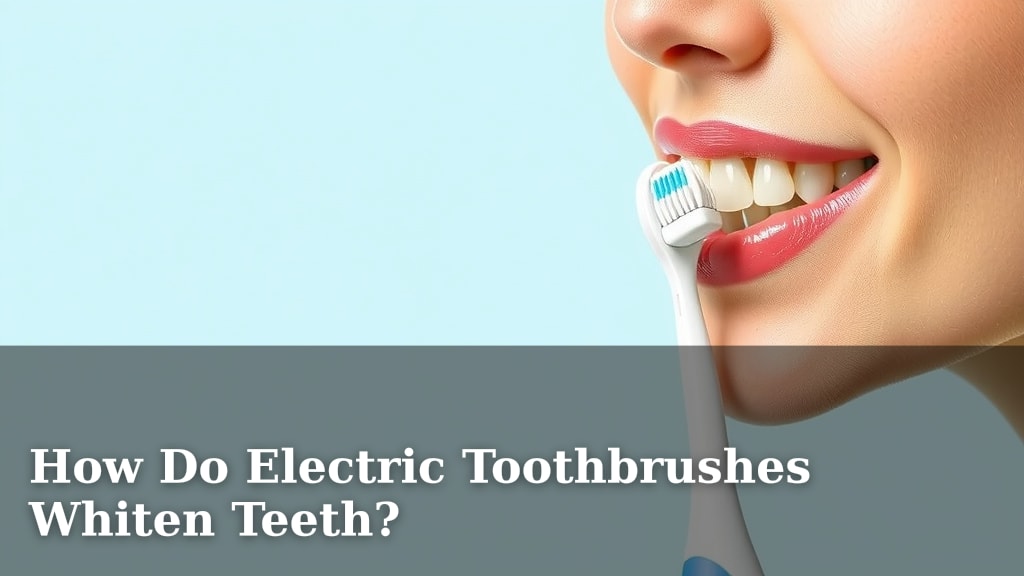
Yes, electric toothbrushes can help whiten your teeth by removing surface stains more effectively than manual brushes. They achieve this through high-speed bristle movements that polish away discoloration. Think of it like a mini power-wash for your smile, scrubbing away things like coffee and wine marks from your enamel. So, while they don’t chemically bleach your teeth, they definitely offer a noticeable brightening effect.
The vibrations and rotations of an electric toothbrush are designed for a more thorough cleaning. This enhanced cleaning action can lift away more stubborn stains from the tooth’s surface. Many studies suggest that electric toothbrushes offer a superior plaque removal compared to their manual counterparts. This improved cleaning often leads to a brighter, healthier-looking smile overall.
- Electric toothbrushes remove surface stains better.
- They use fast bristle movements to polish teeth.
- This action can make teeth appear whiter.
- They also remove more plaque than manual brushes.
Ready to understand just how these amazing gadgets work their magic? Let’s break down the science behind electric toothbrush teeth whitening.
How Electric Toothbrushes Enhance Tooth Brightness
You’re curious about how those buzzing brushes can lead to a whiter smile. It’s a great question! The main reason electric toothbrushes help whiten teeth is their superior cleaning power. They simply remove more surface stains than a manual brush can. Think of it like using a power scrubber versus a regular sponge. The power scrubber gets the job done faster and more thoroughly.
The Mechanics of a Whiter Smile
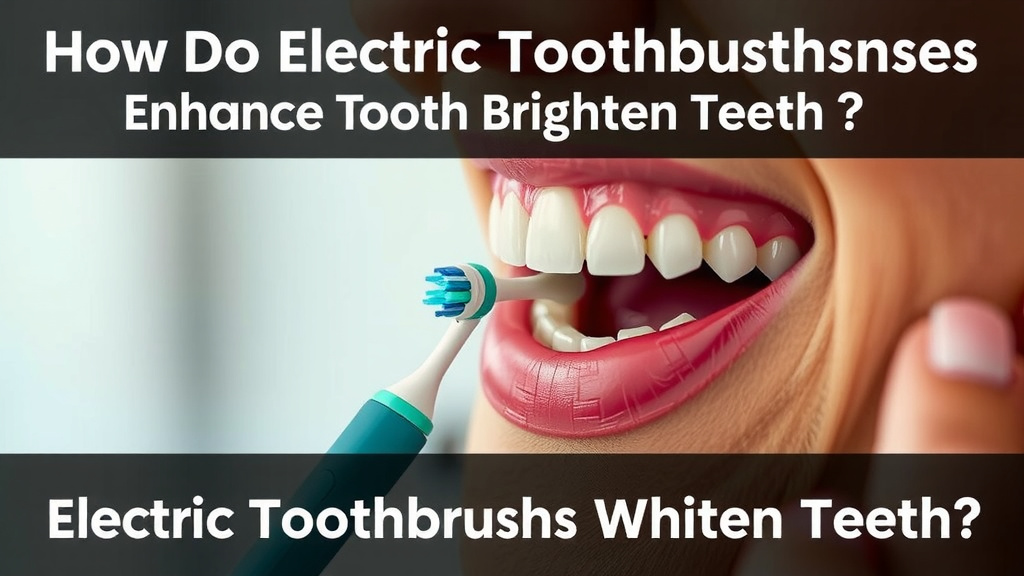
Electric toothbrushes work by moving their brush heads at very high speeds. This can be through oscillations, rotations, or sonic vibrations. These rapid movements create friction. This friction is key to polishing away discoloration. It’s like buffing a dull surface until it shines again. Your teeth’s enamel is tough, but it can still get stained.
Speed and Power Matter
A manual brush relies on your arm’s motion. This motion is often inconsistent and less powerful. An electric brush, on the other hand, does the hard work for you. Many models perform thousands, even tens of thousands, of brush strokes per minute. This high-frequency action is incredibly effective at dislodging and removing stains.
Types of Electric Toothbrushes and Their Whitening Abilities
Not all electric toothbrushes are created equal. Different designs target stains in slightly different ways. Understanding these differences can help you choose the right tool for your smile.
Oscillating-Rotating Brushes
These brushes have small, round heads. They spin back and forth, or oscillate. Many also pulsate. This action is very effective at scrubbing away stains. Research has found these brushes are particularly good at reducing surface stains (NCBI). They can reach into nooks and crannies that manual brushes might miss.
Sonic Toothbrushes
Sonic toothbrushes vibrate at extremely high frequencies. They create waves of fluid motion. This helps sweep away plaque and stains. Even the fluid in your mouth is agitated. This means they clean areas the bristles don’t directly touch. Some studies suggest they are also very effective at stain removal (NCBI).
What Kinds of Stains Can They Tackle?
Electric toothbrushes are best at removing extrinsic stains. These are stains on the outside of your teeth. They come from things you eat and drink. Coffee, tea, red wine, and tobacco are common culprits. The abrasive action of the bristles helps lift these colored particles off your enamel.
Surface Stains vs. Intrinsic Stains
It’s important to know that electric toothbrushes primarily tackle surface stains. They don’t change the natural color of your teeth. They won’t typically whiten intrinsic stains. These are stains that occur within the tooth structure. They might be caused by medication, trauma, or aging. For intrinsic stains, you might need professional whitening treatments.
| Action | Benefit for Whitening |
|---|---|
| High-Speed Bristle Movements | Polishes away colored particles from food/drink. |
| Enhanced Plaque Removal | Less plaque means a brighter, cleaner appearance. |
| Gentle Abrasion | Lifts stains without damaging enamel. |
The Role of Toothpaste
Your toothpaste plays a big part too. Whitening toothpastes often contain mild abrasives. These help boost the stain-removing action of your electric toothbrush. Some also have polishing agents. Always use a toothpaste recommended for your needs. Dentists often suggest whitening toothpastes for stain removal (Mayo Clinic).
Choosing the Right Toothpaste
Look for toothpastes with the American Dental Association (ADA) Seal of Acceptance. This ensures safety and effectiveness. Avoid overly abrasive pastes. They can damage your enamel over time. A good balance is key for long-term oral health and brightness.
Consistency is Key for Results
Just like with manual brushing, using your electric toothbrush consistently makes a difference. Brushing twice a day, for two minutes each time, is recommended. This regular cleaning prevents new stains from setting in. It also maintains the brightness you achieve.
Building a Good Habit
Making brushing a habit is easier with an electric toothbrush. Many have built-in timers. These ensure you brush for the full two minutes. They can even remind you to switch quadrants of your mouth. This consistency is vital for noticeable whitening results.
Checklist for a Brighter Smile with Your Electric Toothbrush
- Brush twice daily for two minutes.
- Use a fluoride toothpaste.
- Consider a whitening toothpaste for surface stains.
- Replace your brush head regularly (every 3 months).
- Don’t forget to floss daily!
- Visit your dentist for regular check-ups.
Conclusion
You’ve learned that electric toothbrushes offer a real boost to your smile’s brightness. Their high-speed bristle actions effectively polish away common surface stains from food and drinks. By removing more plaque and stains than manual brushes, they help reveal a naturally whiter appearance. Remember, consistency with your brushing routine and the right toothpaste are key partners in this process. To maintain your bright smile, make a habit of brushing twice daily and don’t forget your regular dental check-ups.
Frequently Asked Questions
Can an electric toothbrush make my teeth whiter than they are naturally?
No, electric toothbrushes primarily work by removing surface stains. They help restore your teeth to their natural shade by cleaning away discoloration from things like coffee or wine. They don’t change the intrinsic color of your teeth.
How long does it typically take to see whitening results with an electric toothbrush?
Results can vary, but you might notice a difference in brightness within a few weeks of consistent use. This is mainly due to the effective removal of daily surface stains.
Are sonic toothbrushes better for whitening than oscillating-rotating ones?
Both types of electric toothbrushes are effective at removing surface stains. Sonic toothbrushes use vibrations to create fluid dynamics for cleaning, while oscillating-rotating brushes use a spinning motion. Research suggests both are good at tackling discoloration.
Will using a whitening toothpaste with an electric toothbrush damage my enamel?
When used correctly, a whitening toothpaste with an electric toothbrush is generally safe. Look for the ADA Seal of Acceptance to ensure the toothpaste is effective and safe. Avoid overly abrasive pastes, which could potentially harm enamel over time.
My electric toothbrush has a “whitening mode.” Does this make a difference?
Many electric toothbrushes have specialized modes, including whitening. These modes often adjust the speed or pattern of the brush head’s movement to maximize stain removal. They can enhance the polishing action for a brighter smile.