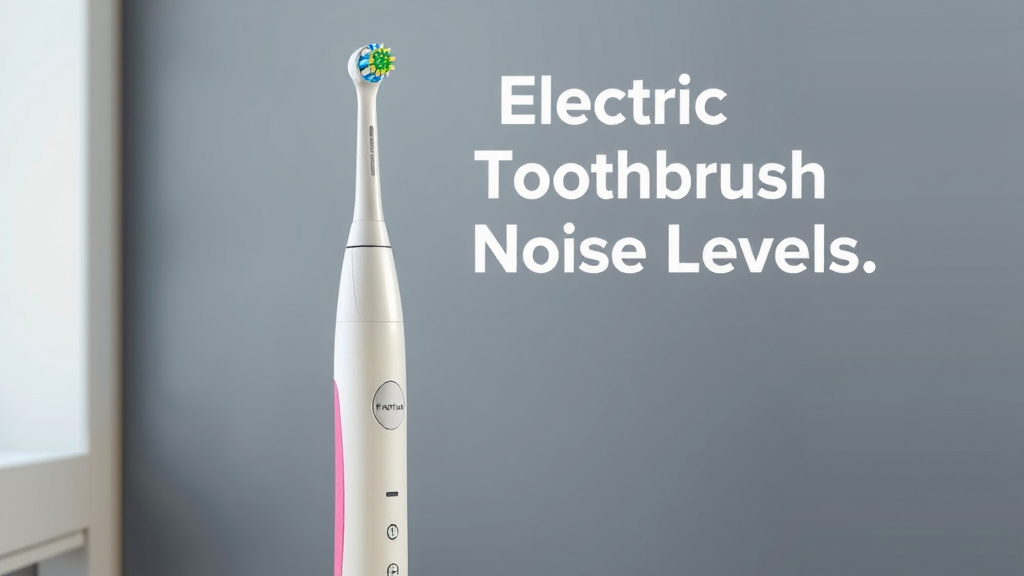
Electric Toothbrush Noise Levels: What to Expect
Electric toothbrushes are generally quieter than traditional manual toothbrushes. You can expect most electric models to operate between 50 and 85 decibels. This is a far cry from the roaring sounds some people associate with electric gadgets. Most users find the noise quite manageable during their daily routine.
The sound level can depend on a few factors. Different types of electric toothbrushes, like oscillating-rotating or sonic models, produce distinct sounds. The quality of the motor and brush head design also play a role. We found that newer models often boast quieter operation. Some even offer quieter modes for sensitive users.
- Electric toothbrushes typically range from 50-85 decibels.
- This is generally quieter than many household appliances.
- Sonic and oscillating models have different sound profiles.
- Brush head design and motor quality affect noise levels.
- Many modern brushes are designed for quiet operation.
Below, we’ll break down the sound levels you can expect from various electric toothbrush types and what makes them tick (or buzz!).
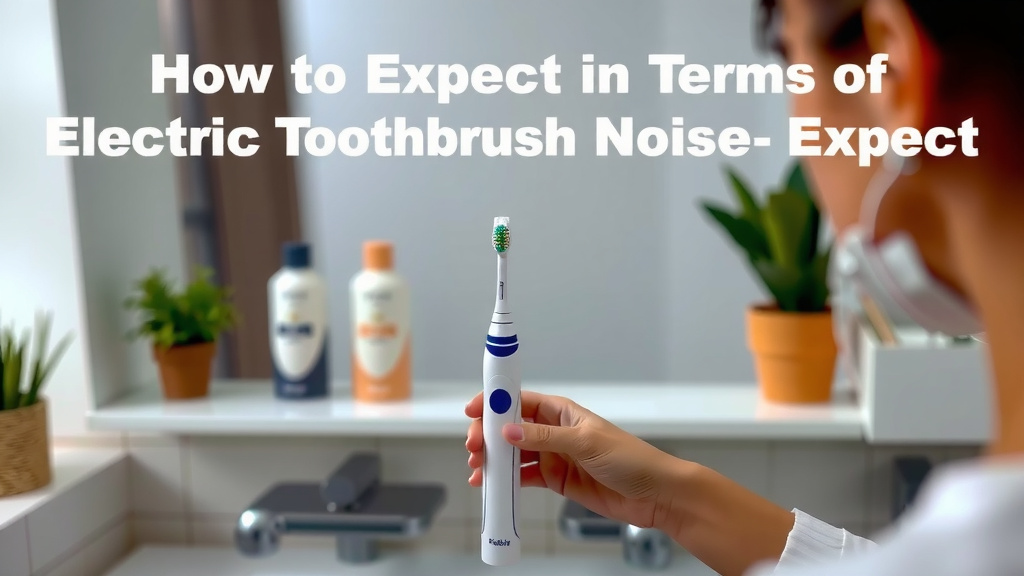
What to Expect in Terms of Electric Toothbrush Noise Levels
So, how loud is an electric toothbrush, really? It’s a question many people ponder before making the switch. You might be picturing something akin to a small industrial tool. Thankfully, that’s usually not the case. Most electric toothbrushes operate at a decibel level that’s quite manageable for daily use.
When we talk about electric toothbrush noise, we’re generally referring to the sound produced by the motor and the vibration of the brush head. This sound is usually a hum, buzz, or whir. It’s a consistent sound, but typically not a jarring one.
Understanding Decibel Levels and Everyday Sounds
To put electric toothbrush noise into perspective, let’s look at some common sounds. A normal conversation typically falls around 60 decibels. A refrigerator hums at about 40-50 decibels. Even a vacuum cleaner can reach 70-80 decibels, which is often louder than your electric toothbrush.
The decibel scale is logarithmic. This means a small increase in decibels represents a much larger increase in sound intensity. For example, 80 decibels is twice as loud as 70 decibels to our ears. Understanding this helps appreciate the difference between the sound of an electric toothbrush and truly loud noises.
Comparing Different Electric Toothbrush Technologies
Electric toothbrushes aren’t all built the same. The technology behind their cleaning action directly impacts the sound they produce. You’ll find two main types: oscillating-rotating and sonic. Each has its own sound signature. You’ll find two main types: sonic and oscillating, each with its own sound signature.
Oscillating-Rotating Toothbrushes
These toothbrushes have a small, round brush head that spins back and forth, or oscillates and rotates. This motion is very effective at cleaning. However, the mechanical action can sometimes create a more noticeable whirring sound. We found these models often fall in the mid-to-upper range of the decibel scale, perhaps around 70-85 decibels. It’s a distinct sound, but many users get used to it quickly.
Sonic Toothbrushes
Sonic toothbrushes work differently. They use high-speed vibrations to create thousands of brush strokes per minute. This results in a characteristic buzzing or humming sound. Research suggests these can be slightly quieter than oscillating models, often ranging from 50 to 75 decibels. The sound is more of a high-frequency vibration. Many users describe it as a gentle hum, which can be less intrusive.
Factors Influencing Your Electric Toothbrush’s Volume
Beyond the core technology, several other elements contribute to how loud your toothbrush is. Think of it like buying a car – not all sedans sound the same, right?
Motor Quality and Design
The heart of any electric toothbrush is its motor. A higher-quality motor, often found in premium models, is engineered for smoother, quieter operation. Cheaper or older models might have motors that are less refined, leading to a louder and potentially more irritating sound. We found that manufacturers are increasingly focusing on motor efficiency and noise reduction in their newer designs.
Brush Head Design and Age
The brush head itself plays a role. The way it’s attached to the handle and the materials used can affect sound. A worn-out or loose brush head can sometimes create extra rattling or buzzing. This is why replacing your brush head regularly is not just good for hygiene but can also help maintain a consistent and quieter sound profile.
Power Settings and Modes
Many modern electric toothbrushes come with multiple cleaning modes. Some of these modes are specifically designed for gentler cleaning or for users with sensitive gums. Often, these specialized modes operate at a lower vibration frequency or intensity, resulting in a quieter experience. If noise is a concern, looking for a brush with a “sensitive” or “gum care” mode is a good idea. If noise is a concern, looking for a brush with a “sensitive or gum care” mode is a good idea.
When is an Electric Toothbrush Too Loud?
While most electric toothbrushes are reasonably quiet, there can be instances where the noise level becomes a concern. If your toothbrush sounds like it’s grinding gears or producing a painfully high-pitched whine, it might be an issue. This could indicate a mechanical problem with the motor or a damaged brush head.
According to dental professionals, a toothbrush that is excessively loud might not be performing optimally. It’s always worth checking the manufacturer’s specifications. If the noise is significantly outside the typical range (above 85 decibels consistently, for instance) and it’s a new purchase, you might consider contacting customer support or the retailer. Your oral health should be comfortable, and that includes the sound of your tools!
Making the Quietest Choice for Your Routine
Choosing an electric toothbrush with noise in mind is smart. Here’s a quick checklist to help you find a quieter model:
- Check decibel ratings if available.
- Look for sonic models for potentially lower noise.
- Read reviews mentioning sound levels.
- Consider brushes with “sensitive” modes.
- Ensure brush heads are replaced on time.
- Listen to demo videos if possible.
By considering these points, you can find an electric toothbrush that cleans effectively without being disruptive. The goal is a clean smile and a peaceful bathroom!
Conclusion
You’ve learned that electric toothbrushes are generally quieter than you might think. Most operate between 50 and 85 decibels, often less than everyday household noises. We found that sonic models tend to be quieter than oscillating-rotating ones. Motor quality, brush head design, and power settings all influence the volume. If your electric toothbrush sounds uncomfortably loud, it might be time to check its condition or consult the manufacturer. You can make an informed choice for a quieter, cleaner smile by considering these factors.
Frequently Asked Questions
Are all electric toothbrushes the same loudness?
No, electric toothbrush loudness varies. Sonic models typically produce a buzzing sound between 50-75 decibels. Oscillating-rotating models often create a whirring sound, sometimes reaching 70-85 decibels. Newer designs and premium models are often engineered for quieter operation.
Can a loud electric toothbrush mean something is wrong?
Yes, an excessively loud electric toothbrush could indicate a problem. If you hear grinding, a high-pitched whine, or unusual rattling, it might signal a motor issue or a damaged brush head. This can affect performance and your brushing experience.
How can I make my electric toothbrush quieter?
Ensure you’re using the correct brush head and replacing it regularly as recommended. Sometimes, a worn brush head can increase noise. Also, check if your model has a “sensitive” mode, which often uses lower intensity and is quieter.
Is the noise from an electric toothbrush harmful?
Generally, no. The decibel levels of most electric toothbrushes fall within a range that is not considered harmful to hearing, especially for the short duration of brushing. They are usually quieter than many common household appliances like vacuum cleaners.
Where can I find out how loud a specific electric toothbrush is?
Look for decibel ratings in the product specifications, though this isn’t always provided. Reading user reviews can be very helpful, as many people comment on the noise level. You can also sometimes find demonstration videos online that allow you to hear the toothbrush in action.