How to Brush Your Tongue With Electric Brush
Yes, you can absolutely use your electric toothbrush to brush your tongue! It’s a super effective way to remove bacteria and freshen your breath. Many electric toothbrush heads are designed to be gentle enough for your tongue, helping you get a cleaner mouth overall.
Brushing your tongue is an often-overlooked part of oral hygiene, but it plays a big role. Harmful bacteria can hide on your tongue, leading to bad breath and other issues. Using your electric toothbrush can make this process quicker and more thorough than manual methods, so you can feel more confident about your smile.
TL;DR:
- Yes, electric toothbrushes can brush your tongue.
- It helps remove bacteria and bad breath.
- Look for gentle brush heads.
- It’s an easy way to boost your oral hygiene.
Ready to give your tongue the attention it deserves? Let’s walk through exactly how to brush your tongue with your electric toothbrush step by step.
Making Your Electric Toothbrush Work for Your Tongue
So, you’re already using an electric toothbrush for your teeth – that’s fantastic! Did you know that same tool can work wonders for your tongue? Many people are surprised to learn that brushing your tongue is just as important as brushing your teeth for a truly clean mouth and fresh breath. We’re here to guide you on how to add this simple step to your routine with your electric brush.
Your tongue is a cozy home for bacteria. These microscopic residents can multiply quickly. They contribute to that not-so-pleasant morning breath and can even affect your sense of taste. Think of your tongue like a fuzzy carpet; it traps particles and needs a good cleaning!
Using your electric toothbrush can be a gentle yet effective way to sweep away these bacteria. It’s often more thorough than a manual toothbrush. This post will show you how to do it safely and effectively, making sure you get the most out of your oral hygiene routine.
Understanding Your Electric Toothbrush and Your Tongue
Not all electric toothbrush heads are created equal when it comes to tongue cleaning. Some are specifically designed with softer bristles or textured surfaces for this purpose. Others might be a bit too stiff for the delicate tissues of your tongue.
Choosing the Right Brush Head
Before you start, take a look at your electric toothbrush’s brush head. Many newer models come with specialized tongue-cleaning attachments or have bristles that are engineered to be safe for tongue use. For example, some Philips Sonicare models have brush heads with rubber nubs, and some Oral-B models have softer bristles that can work. You can also find third-party tongue scrapers designed to attach to electric toothbrush handles.
If your current brush head feels too harsh, it might be time to look for a replacement head that’s gentler. You want bristles that are flexible and soft, not stiff and abrasive. We found that many dental professionals recommend looking for brush heads marketed as “sensitive” or having a specific “tongue cleaning” feature.
What Dental Professionals Recommend
Many dentists and dental hygienists support the practice of tongue cleaning for improved oral health. They often point out that bacteria on the tongue are a major cause of bad breath, a condition known medically as halitosis (Cleveland Clinic). Regular tongue brushing can significantly reduce these odor-causing bacteria.
Research indicates that using a tongue scraper or a soft-bristled toothbrush can remove up to 90% of the bacteria that cause bad breath. It also helps remove food debris and dead cells that can accumulate on the tongue’s surface. This can lead to a cleaner-feeling mouth and a more pleasant taste experience throughout the day.
Step-by-Step Guide to Brushing Your Tongue with an Electric Brush
Ready to try it? It’s a simple process that adds just a minute or two to your daily routine. You’ll be amazed at the difference it can make.
Preparation is Key
First, make sure your electric toothbrush is charged and ready to go. You don’t need any special toothpaste for your tongue; your regular toothpaste will do. Some people prefer to use a tiny bit of toothpaste, while others use none at all when cleaning their tongue.
Get your mouth a little wet, just as you would before brushing your teeth. This helps the brush head glide more smoothly. The goal is to clean, not to scrub aggressively. Think of it as a gentle sweep.
The Brushing Technique
Here’s how to do it:
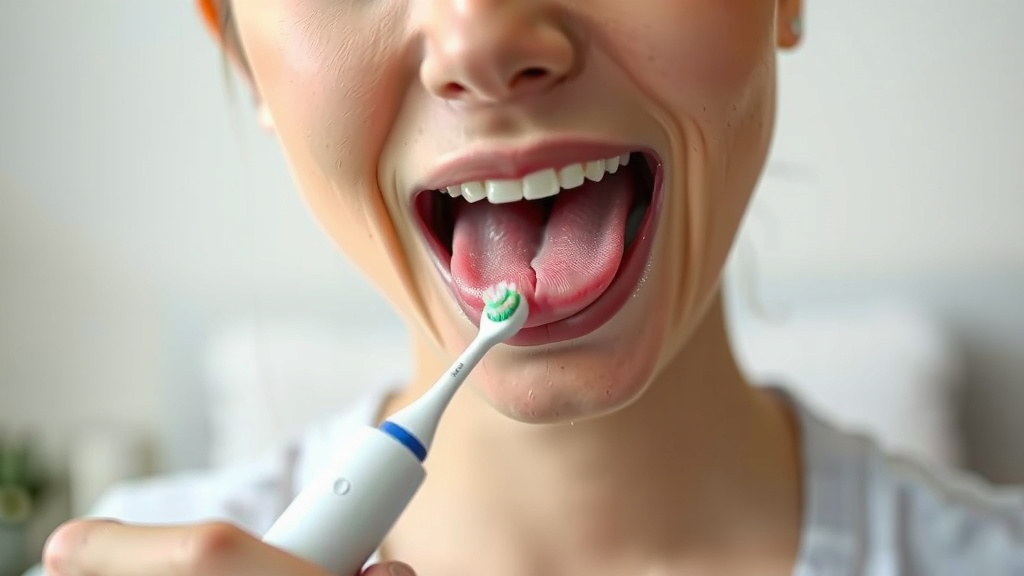
- Start at the back: Gently place the brush head as far back on your tongue as you comfortably can without gagging.
- Sweep forward: Slowly move the brush head from the back of your tongue towards the tip. Use light pressure.
- Repeat in sections: Work your way across the tongue, cleaning each section. You might do 2-3 passes.
- Rinse: Spit out any excess toothpaste and rinse your mouth thoroughly with water.
It’s important to use a light touch. Your tongue is a muscle, but its surface is sensitive. Pressing too hard can cause irritation or even small cuts. Most electric toothbrushes have pressure sensors, which can help you avoid brushing too hard, even on your tongue.
Cleaning the Sides and Underside
Don’t forget the sides of your tongue! You can gently extend your tongue and angle the brush head to clean the edges. Some people find it helpful to clean the underside of their tongue as well, especially if they tend to get a lot of buildup there.
If you find that your electric toothbrush head is too large to comfortably reach all areas, don’t force it. You can always switch to a manual toothbrush or a dedicated tongue scraper for those hard-to-reach spots. The main thing is to get the majority of the surface cleaned regularly.
Frequency and Best Practices
How often should you add this to your routine? Most oral health experts recommend cleaning your tongue at least once a day. Doing it in the morning is popular because it helps banish morning breath.
Daily vs. Weekly
Brushing your tongue daily is generally considered the most effective approach. It prevents bacteria from building up significantly. If you have specific oral health concerns, like persistent bad breath or a coated tongue, you might consider doing it twice a day. However, for most people, once a day is perfectly sufficient.
We found that consistency is more important than intensity. A gentle daily cleaning will yield better results than an occasional aggressive scrub. Listen to your mouth; if you experience any discomfort, reduce the pressure or frequency.
When to Be Extra Cautious
If you have any open sores, cuts, or infections in your mouth, it’s best to avoid brushing your tongue until they heal. Also, if you have a sensitive gag reflex, start by cleaning only the front half of your tongue and gradually work your way back as you get more comfortable.
If your tongue feels sore after brushing, you are likely using too much pressure. Try using a much lighter touch the next time. Some people also find that using a tongue scraper designed for electric toothbrushes is gentler. Many tongue scrapers are made of silicone or have very fine bristles, making them ideal for sensitive tongues (Mayo Clinic).
What to Expect After Tongue Brushing
You might be surprised by the immediate effects of brushing your tongue. Many people notice a cleaner mouth feel right away. Your breath will likely be fresher, too.
Some individuals report that their food tastes more vibrant after regularly cleaning their tongue. This is because the papillae (tiny bumps) on your tongue, which contain your taste buds, are no longer obscured by a layer of bacteria and debris. This can make your favorite foods taste even better!
Benefits Summarized
Here’s a quick recap of what you can gain:
- Fresher Breath: Directly targets bacteria that cause odor.
- Cleaner Mouth Feel: Removes debris and dead cells.
- Improved Taste: Uncovers taste buds for better flavor perception.
- Reduced Bacteria Load: Contributes to overall oral health.
Troubleshooting Common Issues
Occasionally, you might encounter a few hiccups. If you gag easily, try sticking your tongue out as far as it will go before starting. Focus on the front part of your tongue first.
If you experience bleeding, it’s a sign you’re pressing too hard or using a brush head that’s too stiff. Back off the pressure and consider a gentler brush head. If bleeding or soreness persists, consult your dentist. They can offer personalized advice.
Making Tongue Brushing a Habit
The key to reaping the benefits of tongue brushing is consistency. Try to integrate it into your existing brushing routine. Many find it easiest to do right after brushing their teeth, before they rinse their mouth completely.
Think of it as the final step in achieving a truly clean mouth. You’ve just cleaned your teeth, so why not give your tongue the same attention? It’s a small addition that makes a big difference.
A Simple Checklist for Success
To make sure you’re on the right track, here’s a quick checklist:
- Confirm your electric toothbrush head is suitable for tongue use.
- Use a light, sweeping motion from back to front.
- Don’t press too hard; be gentle.
- Clean for about 30-60 seconds.
- Rinse your mouth thoroughly afterward.
- Do this once daily for best results.
Conclusion
You’ve learned that your electric toothbrush is a powerful tool for more than just your teeth! Using it to brush your tongue is a simple yet highly effective way to boost your oral hygiene. It helps eliminate odor-causing bacteria, giving you noticeably fresher breath and a cleaner mouth feel. Remember to choose a gentle brush head and use light pressure. By making tongue brushing a consistent part of your daily routine, you’ll unlock a whole new level of oral freshness. So go ahead, give your tongue the clean it deserves – you’ll feel the difference!
Frequently Asked Questions
Can I use my regular toothpaste on my tongue?
Yes, your regular toothpaste is fine for brushing your tongue. Many people find it helpful to use just a tiny amount or even no toothpaste at all. The key is the gentle sweeping motion of the brush, not the paste itself.
What if my electric toothbrush head feels too rough for my tongue?
If your current brush head feels too abrasive, you should look for a replacement. Many brands offer “sensitive” or “tongue cleaning” specific heads with softer bristles. You can also find separate electric tongue scrapers designed to attach to your toothbrush handle.
How long should I brush my tongue for?
Aim for about 30 to 60 seconds to brush your tongue thoroughly. This should be done after you’ve brushed your teeth. It’s more about a gentle, consistent sweep than a long, hard scrub.
Is it normal to gag when brushing my tongue?
It’s quite common, especially when you first start or if you try to reach too far back. Try sticking your tongue out as far as it can go before starting and focus on the front and middle sections first. Gradually work your way back as you get more comfortable.
Will brushing my tongue whiten it?
While brushing your tongue removes bacteria and debris that can cause discoloration, it’s not a whitening treatment. Its primary benefits are fresher breath and a cleaner mouth feel. Any visual brightening is a secondary effect of removing buildup.