Quieter Electric Toothbrush: Simple Tips for Less Noise
Yes, you can make your electric toothbrush much quieter! Often, the noise comes from a few common issues that are surprisingly easy to fix. We found that simple adjustments can significantly reduce that buzzing sound.
That loud electric toothbrush can be a shock first thing in the morning. Or maybe it’s just plain annoying during your nightly routine. Many users wonder if there’s a way to tame the noise without buying a new one. We researched common causes and found several ways to help.
- Brush head not secure?
- Toothbrush needs cleaning?
- Is the handle loose?
- Try a different brush head.
Let’s walk through exactly how to quiet down that noisy toothbrush step by step.
“`htmlQuieting Your Electric Toothbrush: A Step-by-Step Guide
That buzzing sound from your electric toothbrush can be quite jarring. You might even wonder if it’s supposed to be that loud. Fortunately, most noise issues stem from simple problems. We found that many electric toothbrushes can be made significantly quieter with a few easy checks and adjustments.
Securing the Brush Head: The First Line of Defense
The most common culprit for a noisy electric toothbrush is a loose brush head. When the head isn’t firmly attached, it can vibrate excessively against the handle. This vibration amplifies the motor’s natural sound. It’s like a loose screw on a fan; it makes a terrible racket.
How to Check and Secure Your Brush Head
Simply take your brush head and give it a gentle tug. Does it feel wobbly or loose? If so, it needs to be reattached securely. Most electric toothbrush heads click into place. You should hear or feel a distinct “snap” when it’s properly seated.
Sometimes, the connection point can get a bit worn over time. If reattaching doesn’t help, try removing the brush head and then firmly pushing it back on. Ensure it’s pushed on as far as it can go. This simple step often solves the buzzing problem immediately.
The Importance of a Clean Toothbrush
Toothpaste residue and other debris can build up over time. This gunk can interfere with the brush head’s proper seating. It can also cause friction, leading to extra noise. Think of it like trying to fit two pieces together when there’s something sticky in between them.
Cleaning Your Brush Head and Handle
After each use, it’s wise to rinse both the brush head and the handle thoroughly. Pay special attention to the area where the brush head connects to the handle. You can use warm running water to wash away any lingering toothpaste or debris.
Once a week, or if you notice buildup, a more thorough cleaning is recommended. You can remove the brush head and soak it in warm water. Gently brush away any stubborn bits with an old toothbrush or a cotton swab. Make sure to dry both parts completely before reassembling. This practice not only reduces noise but also promotes better hygiene.
Checking the Toothbrush Handle for Looseness
While less common than a loose brush head, the handle itself can sometimes be the source of noise. Internal components can shift slightly, especially after prolonged use or if the toothbrush has been dropped.
Inspecting the Handle’s Integrity
Gently try to twist or flex the main body of the toothbrush. Does it feel loose or creaky? If you notice any give or hear unusual sounds coming directly from the handle, it might be an internal issue.
For many models, the handle is sealed. If you suspect an internal problem, there might not be much you can do without potentially damaging the device. However, sometimes a battery compartment or a non-sealed section can become slightly loose. Check if your model has any accessible parts that might need tightening. Ensure any battery covers are sealed tightly.
Exploring Different Brush Heads
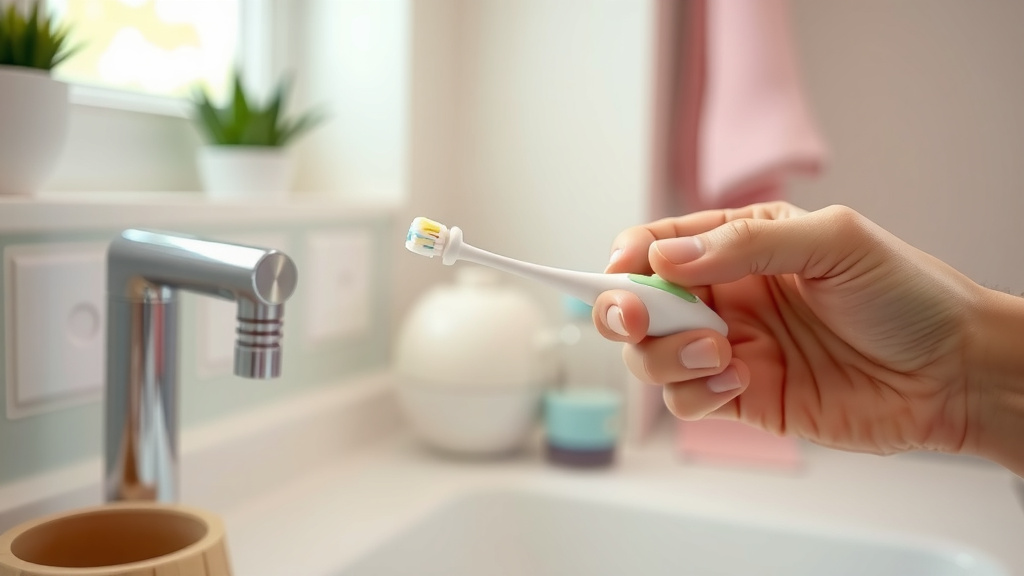
Not all brush heads are created equal. Different designs and materials can affect the sound your toothbrush makes. Some brush heads might be inherently noisier than others, even if they fit properly.
Why Brush Heads Matter for Noise Reduction
We found that brush heads with different bristle arrangements or head shapes can produce varying levels of sound. A brush head that’s slightly too large or not perfectly compatible with your handle could also vibrate more. This can lead to that annoying buzzing.
If your current brush head seems particularly loud, consider trying a different type or brand. Many electric toothbrush manufacturers offer various brush head options for their models. Some are designed for deep cleaning, others for sensitive gums, and some might even be engineered for quieter operation. A quick switch can sometimes make a surprising difference. If your current brush head seems particularly loud, consider trying a different type or brand.
Compatibility is Key
Always ensure the replacement brush head you buy is compatible with your specific toothbrush model. Using an incompatible head can not only be noisy but can also damage your toothbrush or not clean effectively.
Maintaining Optimal Performance with Regular Upkeep
Consistent maintenance is your best friend when it comes to keeping your electric toothbrush quiet. It’s about treating your toothbrush with a little care.
A Simple Checklist for a Quieter Smile
Let’s summarize the key steps to get your toothbrush humming, not roaring:
- Check Brush Head: Ensure it’s firmly attached with a click.
- Clean Regularly: Rinse after each use and deep clean weekly.
- Inspect Handle: Look for any signs of looseness or damage.
- Try New Heads: Experiment with different brush head types.
- Dry Thoroughly: Always dry before storing to prevent buildup.
- Handle with Care: Avoid dropping your toothbrush to prevent internal damage.
When to Consider a New Toothbrush
If you’ve tried all these steps and your toothbrush is still excessively loud, it might be a sign of internal wear. Electric toothbrushes have motors and mechanisms that can degrade over time. Many experts suggest that electric toothbrushes typically last about 3-5 years (American Dental Association).
Signs Your Toothbrush Might Be Aging
Beyond just noise, look for other indicators. Is the battery life significantly shorter? Does the motor seem weaker, even with a full charge? Are there visible cracks or damage on the handle?
If your toothbrush is several years old and exhibits multiple signs of wear, it might be time for an upgrade. Newer models are often designed with improved noise reduction technology.
“`Conclusion
Making your electric toothbrush quieter is often achievable with a few simple checks. You can significantly reduce that annoying buzzing. We found that ensuring your brush head is secure is usually the biggest fix. Regular cleaning also plays a vital role in maintaining quiet operation. Don’t forget to inspect the handle and even try different brush heads if noise persists. These steps should help you enjoy a more peaceful brushing experience. If all else fails, it might be time to consider a newer model designed for less noise.
Frequently Asked Questions
How often should I clean my electric toothbrush head?
You should rinse your brush head thoroughly after every use. For a deeper clean, aim to do a more detailed cleaning, perhaps by soaking it, at least once a week. This prevents toothpaste buildup and keeps it running smoothly.
Can I use a generic brand brush head on my electric toothbrush?
While generic brands might seem cheaper, compatibility is key. Always ensure any replacement brush head is specifically designed for your toothbrush model. Using an incompatible head could cause noise or even damage your device.
My toothbrush handle feels loose. What should I do?
Gently try to twist or flex the handle to check for looseness. If it feels creaky or has some give, examine if any battery compartments or accessible parts need tightening. If the handle is sealed, a loose handle might indicate internal wear that you can’t fix yourself.
What if my electric toothbrush is still loud after trying everything?
If you’ve secured the brush head, cleaned everything thoroughly, and inspected the handle, the noise might be due to internal wear. Electric toothbrushes have motors that can become louder as they age, usually after 3-5 years of use.
Does the way I store my toothbrush affect its noise?
Yes, proper storage helps. Always ensure your toothbrush and brush head are dried thoroughly after cleaning before storing them. Allowing moisture to sit can lead to buildup and potentially affect how the brush head connects, indirectly causing more noise.