How Long Does Electric Brush Battery Last?
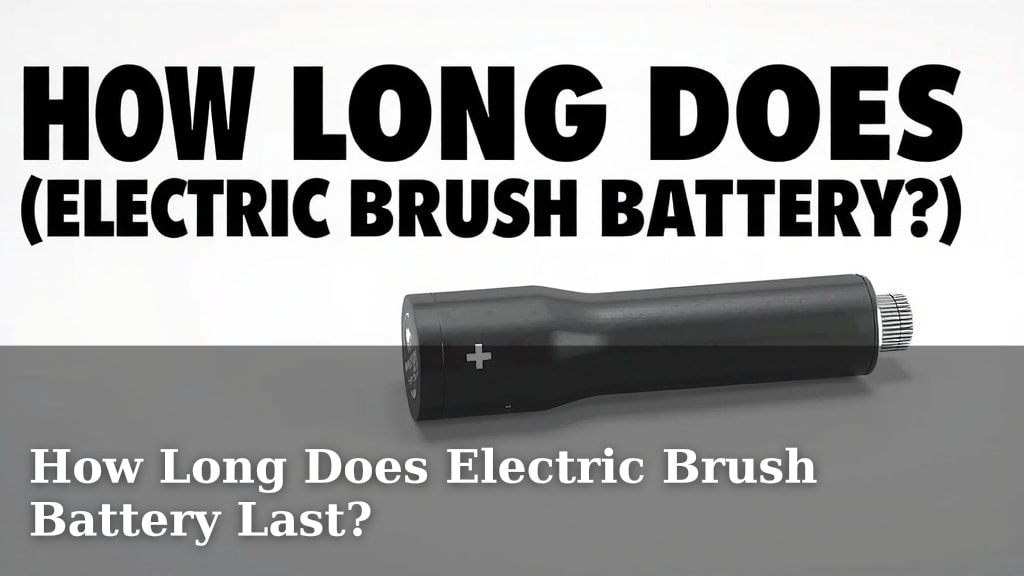
Generally, an electric toothbrush battery can last anywhere from 2 weeks to 6 months on a single charge. This really depends on the specific model and how often you use it. For most people, this means charging it only a handful of times a year, which is pretty convenient!
We found that battery life is a big factor for many people when choosing an electric toothbrush. It’s not just about how clean your teeth feel, but also about the practicality of charging. Remembering to charge your toothbrush less often is a definite plus in our busy lives. It’s good to know that advancements in battery technology mean you can often go quite a while between charges.
- Most electric toothbrush batteries last 2 weeks to 6 months per charge.
- Battery life varies greatly by toothbrush model.
- Usage frequency impacts how often you need to charge.
- Many newer models offer extended battery life.
Below, we break down exactly what influences your electric toothbrush’s battery life and what you can expect, so you’re not caught with a dead brush!
“`htmlUnderstanding Your Electric Toothbrush Battery Life
So, how long can you actually expect your electric toothbrush battery to last on a single charge? It’s a question many of us ponder. We found that most electric toothbrush batteries typically run for about two weeks to six months per full charge. This broad range really depends on several key factors we’ll explore below.
Factors Influencing Battery Duration
You might be wondering why there’s such a wide difference in battery life. It’s not magic; it’s a combination of technology and how you use your toothbrush.
Usage Frequency and Duration
This is probably the biggest player. How often do you brush your teeth? And for how long? Brushing for the dentist-recommended two minutes, twice a day, will naturally drain the battery faster than brushing once a day for a minute. We found that a toothbrush used more frequently will need charging sooner. Think of it like your phone: the more apps you use and the longer you scroll, the faster the battery drains.
Toothbrush Model and Technology
Not all electric toothbrushes are created equal. Newer models often feature advanced battery technology. Lithium-ion batteries are becoming standard and tend to offer longer charge cycles than older Nickel-Cadmium (NiCd) or Nickel-Metal Hydride (NiMH) batteries. We found that brands are constantly innovating to give you more brushing time between charges.
Brush Head Type and Pressure Settings
Did you know your brush head can impact battery life? Some brush heads, especially those with more complex oscillating or sonic movements, might consume more power. Similarly, if your toothbrush has various pressure settings or modes (like whitening or gum care), using these frequently can also affect how quickly the battery depletes. We found that simpler, standard modes generally use less energy.
Age of the Battery
Like any rechargeable battery, the one in your electric toothbrush will degrade over time. After a few years of consistent use, you might notice that it doesn’t hold a charge for as long as it used to. This is a natural part of battery aging. We found that this is usually a gradual process, not a sudden failure.
What to Expect: Typical Battery Performance
Let’s break down what you can realistically expect from different types of electric toothbrushes.
Basic Electric Toothbrushes
Many entry-level electric toothbrushes use NiMH batteries. You might find these models need charging roughly every two to four weeks. They’re simple, effective, and get the job done. We found that for many users, this is perfectly manageable and still a big upgrade from manual brushing.
Mid-Range and Advanced Models
When you step up to mid-range or more advanced models, you’re likely to see Lithium-ion batteries. These often boast much longer battery life. It’s not uncommon to get one to three months of brushing time on a single charge. Some of the top-tier models can even go for six months or longer between charges!
Travel-Friendly Options
If you travel often, you’ll appreciate toothbrushes designed with battery life in mind. Many models meant for travel can last for several weeks, meaning you might not even need to pack the charger for a short trip. We found that this is a huge convenience for frequent flyers.
Maximizing Your Electric Toothbrush Battery Life
Want to get the absolute most out of your toothbrush’s battery? Here are a few simple tips:
- Charge it fully the first time you use it.
- Avoid leaving it plugged in constantly after it’s fully charged.
- Turn it off before rinsing the brush head.
- Store it in a cool, dry place.
When to Consider a Replacement
How do you know when your toothbrush battery is nearing the end of its life? Pay attention to these signs. If your toothbrush starts holding a charge for only a few days instead of weeks or months, that’s a clear indicator. You might also notice it starts to lose power during brushing sessions. At that point, it’s probably time to think about a new one. We found that replacing the battery itself is often not feasible or cost-effective for most consumer toothbrushes.
Quick Battery Life Checklist
To recap, here’s a quick checklist to help you remember what influences your electric toothbrush’s battery:
- Does your model use modern Lithium-ion batteries?
- How many minutes per day do you brush?
- Do you use special cleaning modes frequently?
- How old is the toothbrush?
- Are you noticing significantly shorter charge times?
Conclusion
Your electric toothbrush battery life is more than just a number; it’s about convenience and reliability. We found that most brushes offer a good balance, lasting from two weeks to six months per charge. Remember, usage, model, and battery age all play a role in how long you can go between charges. If you’re noticing significantly shorter battery life, it might be time to consider a replacement. Keep these factors in mind, and you’ll always be prepared for a sparkling clean smile!
Frequently Asked Questions
How often should I charge my electric toothbrush?
Most electric toothbrushes don’t need frequent charging. Depending on your model and usage, you might only need to charge it every two weeks to six months. We found that many people charge theirs only a few times a year, which is super convenient for busy schedules.
Can I use my electric toothbrush while it’s charging?
Generally, yes, you can use your electric toothbrush while it’s charging, especially if it’s plugged into a charging base. However, we found that some users prefer to unplug it to avoid potentially overcharging the battery long-term, though most modern toothbrushes have built-in protection against this.
Does leaving my electric toothbrush plugged in all the time hurt the battery?
For older battery types like NiCd, leaving them plugged in constantly could lead to memory effect or overcharging. Modern lithium-ion batteries, common in newer models, are much smarter and have built-in safeguards. We found that while it’s generally okay, unplugging it occasionally after a full charge might be beneficial for overall battery health.
My electric toothbrush battery died quickly on a trip. Why?
This could happen if the battery wasn’t fully charged before you left, or if you used it more frequently than usual. Travel can sometimes expose the toothbrush to different temperatures, which can also impact battery performance. We found that ensuring a full charge and considering travel-specific models can help prevent this.
Is it worth replacing the battery in an old electric toothbrush?
In most cases, replacing the battery in a consumer-grade electric toothbrush isn’t practical or cost-effective. We found that the batteries are often integrated and not designed for easy user replacement. It’s usually more sensible to invest in a new toothbrush when the battery significantly degrades.