How Is an Electric Toothbrush Better?
An electric toothbrush is generally better than a manual one because it can remove more plaque and reduce gingivitis more effectively. Studies have consistently found that the powered cleaning action of electric models leads to a healthier smile. So, if you’re looking for a more efficient way to brush, an electric toothbrush is likely your best bet.
Think of it this way: your manual toothbrush relies entirely on your technique. An electric toothbrush, on the other hand, does a lot of the heavy lifting for you. This means less chance of missing spots and a more consistent clean every time you brush. Many dental professionals agree that these brushes can make a real difference in your oral hygiene.
TL;DR:
- Electric toothbrushes remove more plaque than manual ones.
- They are better at reducing gingivitis.
- Their powered action helps ensure a more consistent clean.
- Many dentists recommend them for improved oral health.
Ready to see why an electric toothbrush might be the upgrade your smile needs? Let’s dive into the specifics of how they stack up against their manual counterparts.
Why an Electric Toothbrush Might Be a Smarter Choice
So, you’re wondering if making the switch to an electric toothbrush is really worth it? You’re not alone! Many people use manual brushes their whole lives. But research and dental expert opinions consistently show that electric models offer some distinct advantages for your oral health. They can simply do a better job removing plaque and keeping your gums healthy.
Superior Plaque Removal Power
One of the biggest reasons dental professionals often recommend electric toothbrushes is their ability to remove more plaque. Think about how you brush manually. You’re relying on your own hand movements to scrub away that sticky film. Electric brushes use rapid oscillations, rotations, or sonic vibrations to do the hard work for you. This powered action can reach more tooth surfaces and dislodge plaque more effectively than manual brushing alone.
Studies have repeatedly found that electric toothbrushes can reduce plaque by up to 21% more than manual ones. This might not sound like a huge number, but over time, that extra plaque removal makes a big difference in preventing cavities and gum disease (NCBI).
The Science Behind the Spin (or Buzz!)
Electric toothbrushes come in a few main types, and each has its own cleaning mechanism. You have oscillating-rotating brushes that spin back and forth rapidly. Then there are sonic toothbrushes that vibrate at very high speeds, creating thousands of brush strokes per minute. Both methods are highly effective at sweeping away plaque. Your manual toothbrush simply can’t replicate that kind of consistent, high-speed cleaning action.
Aiding in Gingivitis Reduction
Plaque buildup is the primary culprit behind gingivitis, the early stage of gum disease. When plaque irritates your gums, they can become red, swollen, and bleed easily. Because electric toothbrushes are so good at removing plaque, they are also excellent at reducing gingivitis.
When you remove more plaque, you give your gums less reason to become inflamed. This means healthier gums, less bleeding, and a lower risk of developing more serious gum problems down the road. Keeping your gums in good shape is just as important as keeping your teeth clean!
Consistent Brushing Habits
Let’s be honest, sometimes we get a little rushed when we brush. Maybe we miss a spot here or there, or we don’t brush for the full two minutes recommended by dentists. Electric toothbrushes often come with built-in timers to help you brush for the recommended two minutes. Some even have pressure sensors to alert you if you’re brushing too hard, which can damage your gums and enamel.
This consistency is key. You get a more reliable clean every single time you pick up the brush. It takes a lot of the guesswork out of your daily routine. You can feel more confident that you’re doing the best job possible for your teeth and gums.
Who Benefits Most from an Electric Toothbrush?
While anyone can benefit from an electric toothbrush, certain groups might find them particularly helpful. They can be a real game-changer for people who struggle with certain aspects of manual brushing.
Individuals with Limited Mobility
If you have conditions like arthritis, carpal tunnel syndrome, or other issues that affect hand dexterity, an electric toothbrush can be a lifesaver. The powered motion does most of the work, requiring less manual dexterity. You can focus on guiding the brush head rather than performing complex scrubbing motions.
This allows individuals with mobility challenges to maintain a high level of oral hygiene independently. It’s about making oral care accessible and effective for everyone, regardless of physical limitations.
Those Who Tend to Brush Too Hard
As mentioned, brushing too aggressively can cause harm. It can lead to receding gums and enamel wear. Many electric toothbrushes feature pressure sensors that stop vibrating or light up if you’re applying too much force. This is a fantastic feature for anyone who tends to scrub with their manual brush.
Learning the right pressure can be tricky. These sensors provide immediate feedback, helping you adjust your technique without even thinking about it. It’s like having a dental coach right in your bathroom!
People Seeking an Enhanced Clean
Even if you have excellent manual brushing technique, an electric toothbrush can often provide a noticeably cleaner feeling. The high-speed movements can polish teeth and reach areas that are difficult to access manually. Many users report that their teeth feel smoother and look brighter after switching.
Comparing Electric vs. Manual: What the Research Says
When we look at the evidence, the advantages of electric toothbrushes become quite clear. It’s not just anecdotal; studies provide solid support for their effectiveness.
| Study Finding | Electric Toothbrush | Manual Toothbrush |
|---|---|---|
| Plaque Reduction | Significantly Higher | Lower |
| Gingivitis Reduction | More Effective | Less Effective |
| Ease of Use (for some) | Higher | Requires good technique |
This table summarizes what numerous clinical trials have found. The consistent finding across many studies is that electric toothbrushes generally outperform manual ones in key areas of oral hygiene (Cochrane Review).
Long-Term Oral Health Benefits
By consistently removing more plaque and reducing gum inflammation, electric toothbrushes contribute to better long-term oral health. This means a lower risk of cavities, gum disease, and potentially even tooth loss. Investing in a good electric toothbrush can be an investment in your overall health.
Making the Switch: What to Consider
Ready to consider making the jump? Here are a few things to keep in mind as you choose an electric toothbrush.
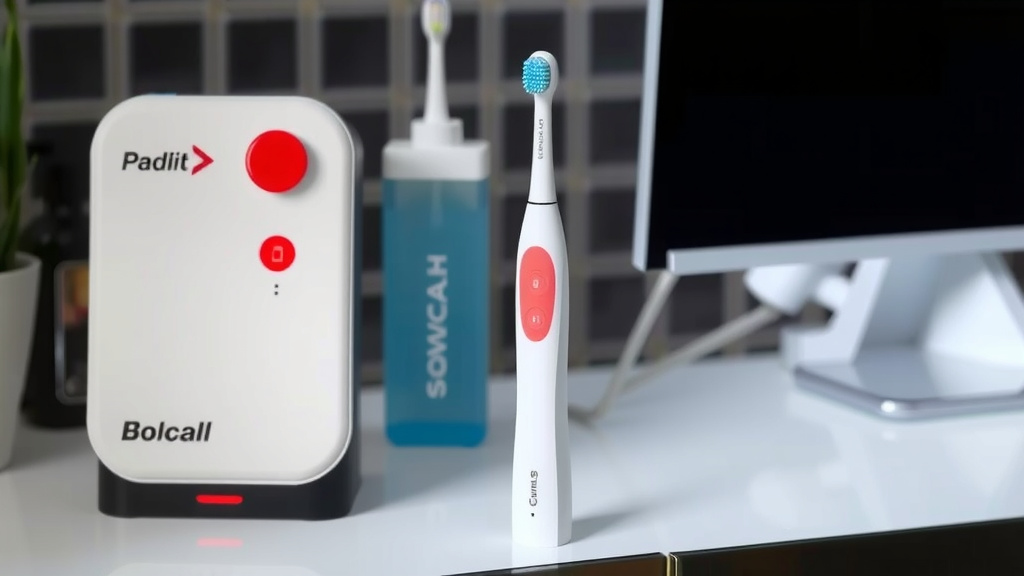
- Brush Head Types: Different brushes offer oscillating-rotating or sonic technology. Try to figure out which you might prefer.
- Features: Look for timers, pressure sensors, and multiple brushing modes if those appeal to you.
- Cost: Electric toothbrushes have a higher upfront cost, but replacement heads are usually reasonably priced.
- Travel: Many come with travel cases, which is handy if you’re often on the go.
Your Smile Checklist:
- Brush for a full two minutes, twice a day.
- Use an electric toothbrush with a pressure sensor if you tend to brush too hard.
- Ensure you’re covering all surfaces of your teeth.
- Pay attention to your gum line.
- Replace brush heads regularly (usually every 3 months).
Conclusion
You’ve seen how electric toothbrushes offer a powerful advantage for your oral health. Their advanced cleaning actions consistently remove more plaque and effectively reduce gingivitis compared to manual brushes. Whether you struggle with technique, brush too hard, or simply want a superior clean, an electric model can help you achieve a healthier smile. Making the switch is a straightforward step towards better dental hygiene. Consider trying one out for yourself to feel the difference!
Frequently Asked Questions
How often should I replace my electric toothbrush head?
You should plan to replace your electric toothbrush head approximately every three months. Like manual toothbrush heads, they become less effective and can harbor bacteria over time. Check your specific model’s recommendations, as some may suggest sooner replacement.
Are sonic or oscillating-rotating electric toothbrushes better?
Both sonic and oscillating-rotating electric toothbrushes have been proven effective at removing plaque and improving gum health. The “better” option often comes down to personal preference and comfort. Many people find the vibrating action of sonic brushes gentler, while others prefer the rotating motion.
Can an electric toothbrush really make my teeth whiter?
While not a teeth-whitening device, an electric toothbrush can help remove surface stains caused by food and drink. Its superior plaque removal capabilities also contribute to a brighter, cleaner appearance. You might notice your smile looks whiter simply because it’s cleaner.
Is it safe to use an electric toothbrush on sensitive teeth or gums?
Yes, many electric toothbrushes are safe for sensitive teeth and gums. Look for models with pressure sensors that alert you if you’re brushing too hard, as excessive force is often the cause of sensitivity. You can also find specific “sensitive” brush heads designed for a gentler clean.
How long does a typical electric toothbrush battery last?
Most modern electric toothbrushes offer excellent battery life, often lasting for two weeks or more on a single charge. This makes them very convenient for travel. Some models will have an indicator light to let you know when it’s time to recharge.