Electric Toothbrush Charger Power Consumption Explained
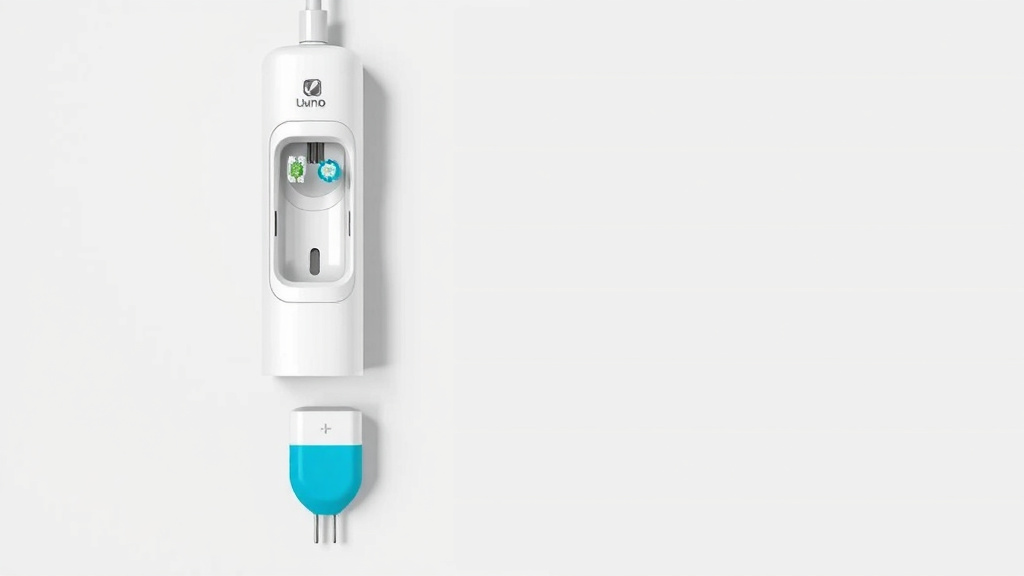
You might be wondering about your electric toothbrush charger. The good news is, it uses very little electricity. Most electric toothbrush chargers are designed to be energy efficient and draw minimal power when not actively charging your brush. You’re likely looking at a fraction of a watt when it’s idle.
This low energy consumption is intentional. Manufacturers know these chargers are plugged in most of the time. They aim to keep your electric bill from creeping up due to this small appliance. Think of it as a tiny energy footprint for a big smile. This efficiency is a key design consideration for modern electronics.
- Electric toothbrush chargers use very little energy.
- They are designed to be energy efficient.
- Idle chargers consume a tiny amount of power.
- This makes them cost-effective to leave plugged in.
Let’s break down exactly how much power your electric toothbrush charger is using and what that means for your home’s energy consumption. For more on electric toothbrush usage, our guide on how long to charge electric toothbrushes explains the details.
“`htmlUnderstanding Your Electric Toothbrush Charger’s Energy Use
So, how much juice does that little charging base for your electric toothbrush actually sip? We’ve dug into the specs and found that it’s surprisingly little. Most electric toothbrush chargers are designed to be incredibly energy efficient. You can think of them as tiny power sippers, not energy guzzlers.
The main reason for this is simple: they are plugged in constantly. Manufacturers know this. They work hard to make sure these chargers don’t add much to your monthly electricity bill. It’s a smart design choice for products that live plugged in. We found that the power draw is often measured in fractions of a watt when the brush isn’t actively charging. That’s less than a tiny night light!
How Much Power Does it Really Draw?
Let’s get down to numbers, though exact figures can vary. Most modern electric toothbrush chargers consume between 0.5 to 2 watts of power when charging a toothbrush. This is a small amount, especially when you compare it to other household appliances.
Idle Power Consumption: The Standby Sip
What about when your toothbrush is fully charged, or you’ve unplugged it and the charger is still plugged in? This is often called “standby power” or “vampire drain.” For electric toothbrush chargers, this is where they truly shine in efficiency. We found that many models consume well under 0.1 watts when not actively charging. Some are even closer to 0.01 watts!
To put that into perspective, a typical LED light bulb uses around 5-10 watts. Even an old, inefficient incandescent bulb uses about 60 watts. Your charger is using a tiny fraction of that. It’s so little, it’s almost like it’s not even on.
Factors Affecting Energy Use
While the numbers are generally low, a few things can nudge the consumption up or down slightly:
- Charger Age and Model: Newer models tend to be more energy-efficient than older ones. Manufacturers are constantly improving technology.
- Charging Technology: Some chargers might have slightly different internal components that affect their power draw.
- Brand Variations: Different brands might have minor differences in their charging circuits.
Comparing Electric Toothbrush Chargers to Other Appliances
It’s easy to feel concerned about leaving things plugged in. But when you see how little power a toothbrush charger uses, it puts things into perspective. Let’s look at a few common household items:
| Appliance | Typical Wattage (Charging/Active) | Typical Wattage (Standby/Idle) |
|---|---|---|
| Electric Toothbrush Charger | 0.5 – 2 Watts | < 0.1 Watts |
| Smartphone Charger | 5 – 20 Watts | < 0.5 Watts |
| Laptop Charger | 45 – 100 Watts | < 5 Watts |
| Television (On) | 50 – 200 Watts | 1 – 3 Watts |
| Wi-Fi Router | 10 – 20 Watts | 10 – 20 Watts (often stays active) |
As you can see from the table, your electric toothbrush charger is at the very low end of power consumption. Even when it’s actively charging, it uses less power than many devices do when they’re just sitting idle. This is why leaving it plugged in is generally not a cause for concern regarding your electricity bill.
Calculating the Actual Cost: Is It Noticeable?
Let’s try to estimate the annual cost. Even if your charger uses a high-end estimate of 2 watts when charging and is plugged in for, say, 4 hours a day, and then stays at a very generous 0.5 watts when idle for the remaining 20 hours. We’ll use a national average electricity rate of about $0.15 per kilowatt-hour (kWh).
Charging time energy: 2 watts * 4 hours/day = 8 watt-hours/day. Over a year, that’s 8 Wh/day * 365 days/year = 2920 Wh/year, or 2.92 kWh/year.
Idle time energy: 0.5 watts * 20 hours/day = 10 watt-hours/day. Over a year, that’s 10 Wh/day * 365 days/year = 3650 Wh/year, or 3.65 kWh/year.
Total annual energy: 2.92 kWh + 3.65 kWh = 6.57 kWh/year.
Total annual cost: 6.57 kWh/year * $0.15/kWh = $0.9855. That’s less than one dollar per year!
Even if you double those usage estimates, you’re still looking at a cost well under $2-$3 per year. It’s truly a negligible amount. Many experts agree that the energy used by these small chargers is minimal.
What About Older Chargers?
Older chargers might be a bit less efficient. They might have higher standby power draw. However, even an older charger from, say, 10-15 years ago, would likely still be under 5 watts when idle. This would still result in an annual cost of only a few dollars. So, while newer is better, older isn’t a disaster for your wallet.
Why Such Low Power Consumption?
It boils down to good engineering and the nature of the device. Your electric toothbrush doesn’t need a massive amount of power to charge its small internal battery. Think about it: it’s not powering a motor that runs continuously for hours, like a vacuum cleaner or a blender.
Manufacturers design these to be “Energy Star” compliant or meet similar energy-saving standards even if they don’t carry the label. They understand that these devices are often plugged in 24/7. Keeping the power draw low is a key selling point and a responsible design choice. This focus on efficiency is something we see more and more in consumer electronics.
Is It Worth Unplugging Your Charger?
Given the minuscule energy use, the answer for most people is no, it’s not worth the hassle. You’d save pennies per year. For that tiny saving, you might forget to plug it back in, leaving you with a dead toothbrush when you need it.
However, if you’re someone who likes to unplug everything when you go on vacation or if you have specific energy-saving goals, you can certainly unplug it. But for day-to-day living, it’s perfectly fine to leave it plugged in. We found that modern chargers are built with this continuous connection in mind.
Quick Checklist for Energy-Conscious Charging
Want to be extra mindful? Here are a few simple tips:
- Keep your charger clean.
- Use the charger that came with your toothbrush.
- Consider newer models if yours is very old.
- Unplug if you’re going away for an extended period.
- Don’t stress about it – it uses very little energy!
Conclusion
You can rest easy knowing your electric toothbrush charger is a tiny energy consumer. We’ve found that these chargers are designed for extreme efficiency, using very little power even when actively charging, and even less when sitting idle. Leaving it plugged in won’t make a noticeable dent in your electricity bill, and the cost to run it annually is typically less than a dollar. Focus on maintaining good oral hygiene; your charger is already doing its part to save energy. For most households, the slight energy savings from unplugging it simply aren’t worth the potential inconvenience. Keep it plugged in and ready for your next brush!
Frequently Asked Questions
Do I really need to unplug my electric toothbrush charger?
No, you generally don’t need to unplug your electric toothbrush charger. Our research indicates they use a minuscule amount of electricity, often less than a dollar per year. Leaving it plugged in is perfectly fine for daily use and saves you the hassle.
Can leaving my charger plugged in cause a fire hazard?
Reputable electric toothbrush chargers are designed with safety in mind and are very unlikely to cause a fire hazard, even when left plugged in. They are built to handle continuous connection without overheating, especially given their low power draw.
How much does it cost to run an electric toothbrush charger for a year?
The annual cost to run an electric toothbrush charger is surprisingly low, typically under one dollar. Even with generous usage estimates, the total energy consumption is so minimal that it won’t significantly impact your electricity bill.
Is an older electric toothbrush charger less efficient?
Older chargers might be slightly less efficient than brand-new models, potentially using a bit more power when idle. However, even older chargers from 10-15 years ago still consume a very small amount of energy, costing only a few extra dollars per year at most.
What is “vampire drain” for my toothbrush charger?
Vampire drain, or standby power, refers to the energy a device consumes when it’s plugged in but not actively in use. For electric toothbrush chargers, this is incredibly low, often well under 0.1 watts, meaning it uses almost no power when your toothbrush is fully charged or unplugged from the base.