Remove Limescale From Your Electric Toothbrush: Easy Guide
The easiest way to remove limescale from your electric toothbrush is by soaking the brush head in a solution of white vinegar and water. This simple method helps break down mineral buildup and keeps your toothbrush working its best. You can also use a bit of lemon juice for a similar effect. Don’t let that crusty buildup ruin your smile!
Over time, minerals from tap water can build up on your electric toothbrush. This limescale can affect performance and look unsightly. Regular cleaning is key to maintaining a hygienic and effective oral care routine. Many people wonder if it’s safe to clean, and the answer is a resounding yes!
- Soak brush heads in vinegar and water.
- Lemon juice also works well for buildup.
- Regular cleaning prevents performance issues.
- Keep your toothbrush hygienic and effective.
Below, we’ll guide you through the simple steps to tackle that pesky limescale and keep your electric toothbrush sparkling.
“`htmlKeeping Your Electric Toothbrush Limescale-Free
Dealing with limescale on your electric toothbrush might seem like a chore. You just want clean teeth, right? But that white, chalky buildup isn’t just unsightly. It can actually impact how well your toothbrush works. We’ll show you easy ways to get rid of it. Keeping your toothbrush clean helps it last longer. It also ensures you get the best clean for your smile.
Why Limescale Forms on Your Toothbrush
So, what exactly is this fuzzy white stuff? It’s called limescale, and it’s a common problem. It happens when minerals in your tap water, mostly calcium and magnesium, dry on surfaces. Your electric toothbrush handle and even the bristles can become a spot for this mineral deposit. Think of it like water spots you see on your shower door. Over time, these spots can harden and become quite noticeable.
The Role of Water Hardness
The amount of limescale you experience often depends on your local water. Some areas have “hard water.” This simply means there are more dissolved minerals in the water supply. If you live in a region with hard water, you’ll likely notice limescale forming more quickly on things. This includes your electric toothbrush. It’s not a sign of a dirty toothbrush, just a fact of your water!
How Limescale Affects Your Toothbrush
Beyond looking a bit sad and crusty, limescale can cause real issues. It can clog the tiny parts of your electric toothbrush. This might make the vibrations weaker. It could even affect the charging base. A toothbrush that isn’t performing at its best won’t clean your teeth as effectively. We want that toothbrush to do its job properly for a healthy mouth!
Simple Solutions for Removing Limescale
Thankfully, you don’t need fancy cleaners to tackle limescale. Common household items work wonders. The goal is to use something that can break down those mineral deposits. We found that acidic solutions are the most effective for this. They gently dissolve the calcium and magnesium buildup without harming the toothbrush materials.
The Vinegar Soak: Your Go-To Method
White vinegar is a superhero for cleaning. Its acetic acid content is perfect for dissolving limescale. It’s safe for most plastic and metal parts of your toothbrush. We recommend this as your primary cleaning method. It’s easy, cheap, and incredibly effective. You likely already have some in your pantry!
Steps for a Vinegar Soak
First, prepare your solution. Mix equal parts white vinegar and warm water. A good starting point is about half a cup of each. Make sure the water is warm, not boiling. Boiling water can sometimes damage plastic parts. You want to create a gentle, cleaning bath for your brush head.
Next, detach the brush head from the electric toothbrush handle. Place the brush head into a small bowl or cup. Pour your vinegar and water mixture over it. Ensure the limescale buildup is fully submerged. Let it soak for at least 30 minutes. For stubborn buildup, you can let it soak for a few hours, or even overnight.
After soaking, remove the brush head. Rinse it thoroughly under running water. Use an old toothbrush or a soft cloth to gently scrub away any remaining loosened scale. You should see a big difference. Dry the brush head completely before reattaching it. This whole process is quite quick.
Lemon Juice: A Zesty Alternative
If you’re not a fan of the vinegar smell, lemon juice is another great acidic option. The citric acid in lemon juice also breaks down limescale effectively. It leaves a fresher scent, too! This is a good choice for those sensitive to smells or who prefer a more natural alternative.
Using Lemon Juice for Cleaning
The process is very similar to using vinegar. You can either use fresh lemon juice or bottled. Mix about half a cup of lemon juice with half a cup of warm water. Submerge the brush head in this solution. Let it soak for at least 30 minutes. Longer soaks can help with tougher scale. After soaking, rinse the brush head well. Gently scrub away any bits that are still there. Dry it off before use.
Cleaning the Toothbrush Handle and Base
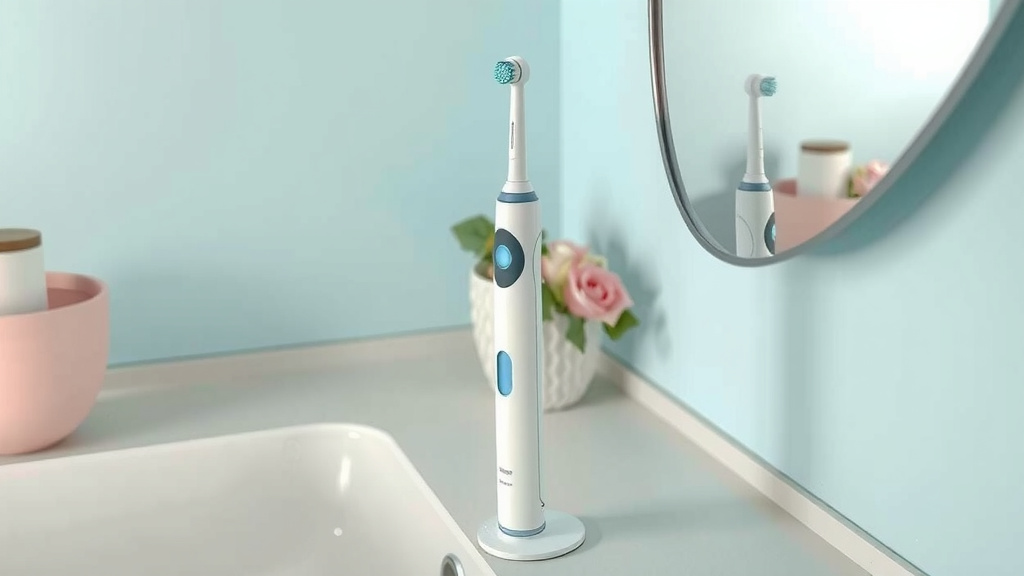
Don’t forget the rest of your toothbrush! The handle and charging base can also collect mineral deposits. You don’t want to soak the entire electric toothbrush, especially the electronic parts. Gentle wiping is usually all that’s needed.
Wiping Down the Handle
For the handle, a damp cloth works well. You can use the same vinegar-and-water solution, but make sure the cloth is only slightly damp, not wet. Wipe down the handle, paying attention to any areas where water might sit. Dry it afterward with a clean, soft cloth. This helps prevent new buildup from forming.
Cleaning the Charging Base
The charging base can sometimes get mineral spots too. Make sure it’s unplugged before you clean it. Use a slightly damp cloth, perhaps with a tiny bit of diluted vinegar. Gently wipe the charging contacts and the base. Never submerge the charging base in water. Always ensure it’s completely dry before plugging it back in. Safety first!
Preventing Future Limescale Buildup
The best defense is a good offense, right? A few simple habits can drastically reduce limescale. It’s all about managing moisture and rinsing properly. We found these steps make a big difference.
Rinse Thoroughly After Each Use
This is perhaps the most important step. After you brush your teeth, rinse the brush head very well under running water. Make sure to get water between the bristles. This washes away toothpaste and any loose debris. It also helps remove excess water that can lead to mineral deposits.
Store Your Toothbrush Upright and Dry
After rinsing, shake off excess water. Store your electric toothbrush upright. This allows air to circulate around it. It helps the brush head dry completely between uses. Avoid storing it in a closed container or a damp drawer. Moisture trapped around the brush head is a breeding ground for bacteria and limescale. Many experts suggest letting it air dry on the counter (CDC).
Regular Maintenance Schedule
Set a reminder for yourself. A quick vinegar soak once a month can keep things in check. Combine this with your daily rinsing and drying habits. You’ll find your toothbrush stays cleaner for longer. This routine ensures your toothbrush is always ready for action!
Quick Limescale Checklist:
- Rinse brush head thoroughly after every use.
- Shake off excess water from the brush head.
- Store toothbrush upright to air dry.
- Soak brush head in vinegar/water weekly or monthly.
- Wipe down handle and charging base periodically.
- Replace brush head as recommended by manufacturer.
Conclusion
You’ve learned how easy it is to tackle that frustrating limescale buildup on your electric toothbrush. By using simple household ingredients like white vinegar or lemon juice, you can restore your brush head to its best performance. Remember, consistent rinsing and proper drying after each use are your best defenses against future mineral deposits. A little regular care ensures your toothbrush stays hygienic, effective, and ready to give you a sparkling clean smile. So, grab that vinegar and get started!
Frequently Asked Questions
How often should I soak my electric toothbrush head in vinegar?
We recommend soaking your brush head in a vinegar and water solution about once a month. This regular maintenance helps prevent stubborn buildup. If you have very hard water, you might find doing it every two weeks beneficial.
Can I use other cleaning products besides vinegar or lemon juice?
While vinegar and lemon juice are excellent natural options, avoid harsh chemical cleaners. These can potentially damage the toothbrush materials or leave residue. Stick to the tried-and-true acidic solutions for safety and effectiveness.
What if the limescale is really tough and won’t come off?
For very stubborn limescale, try soaking the brush head for a longer period, even overnight. You can also gently scrub with an old toothbrush after soaking. If it’s still persistent, it might be time to consider replacing the brush head.
Is it safe to soak the entire electric toothbrush handle in solution?
No, never submerge the entire electric toothbrush handle or charging base in any cleaning solution. These are electronic components and water damage will ruin them. Only the detachable brush head should be soaked.
Will limescale affect the battery life or charging of my toothbrush?
Excessive limescale buildup, especially on the charging contacts or base, could potentially interfere with charging. Keeping these areas clean and dry ensures your toothbrush powers up properly and maintains optimal battery performance.